

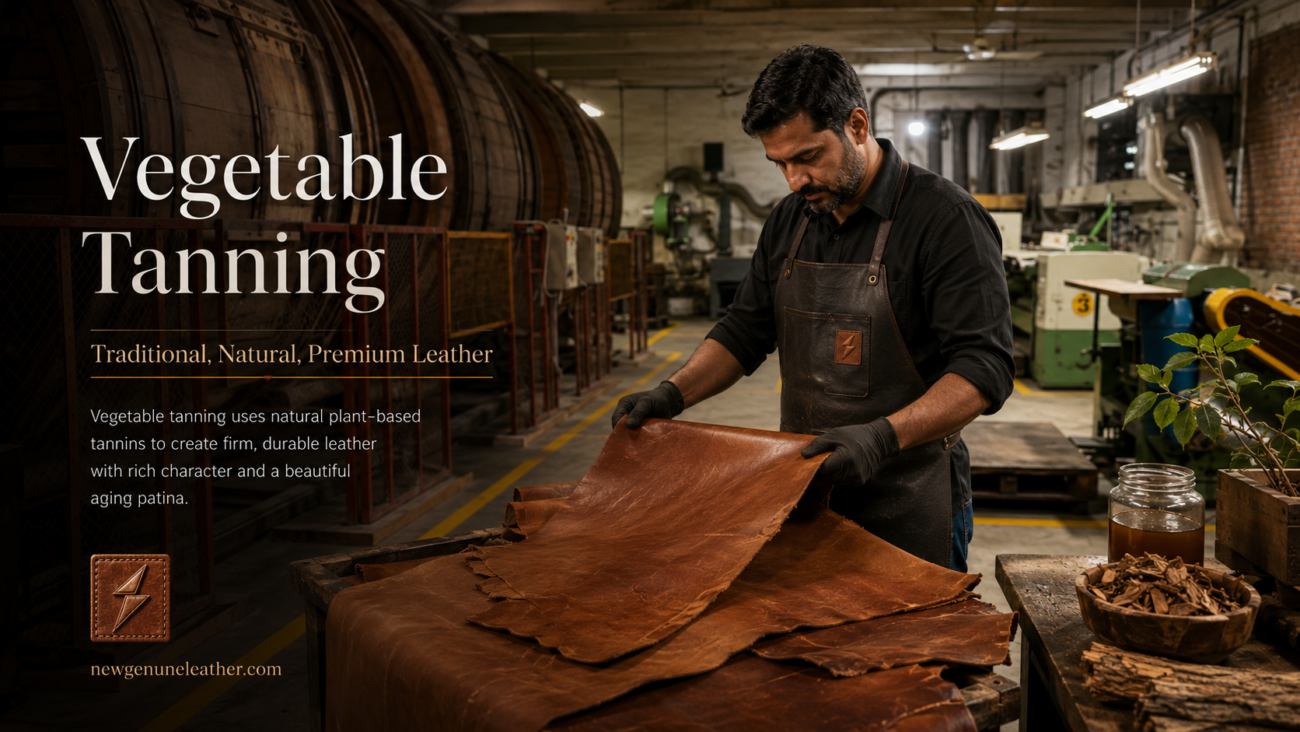
Vegetable Tanning: 7 Powerful Benefits for Leather
Vegetable tanning is one of the oldest and most respected methods of transforming raw animal hides into durable, usable leather. Rather...
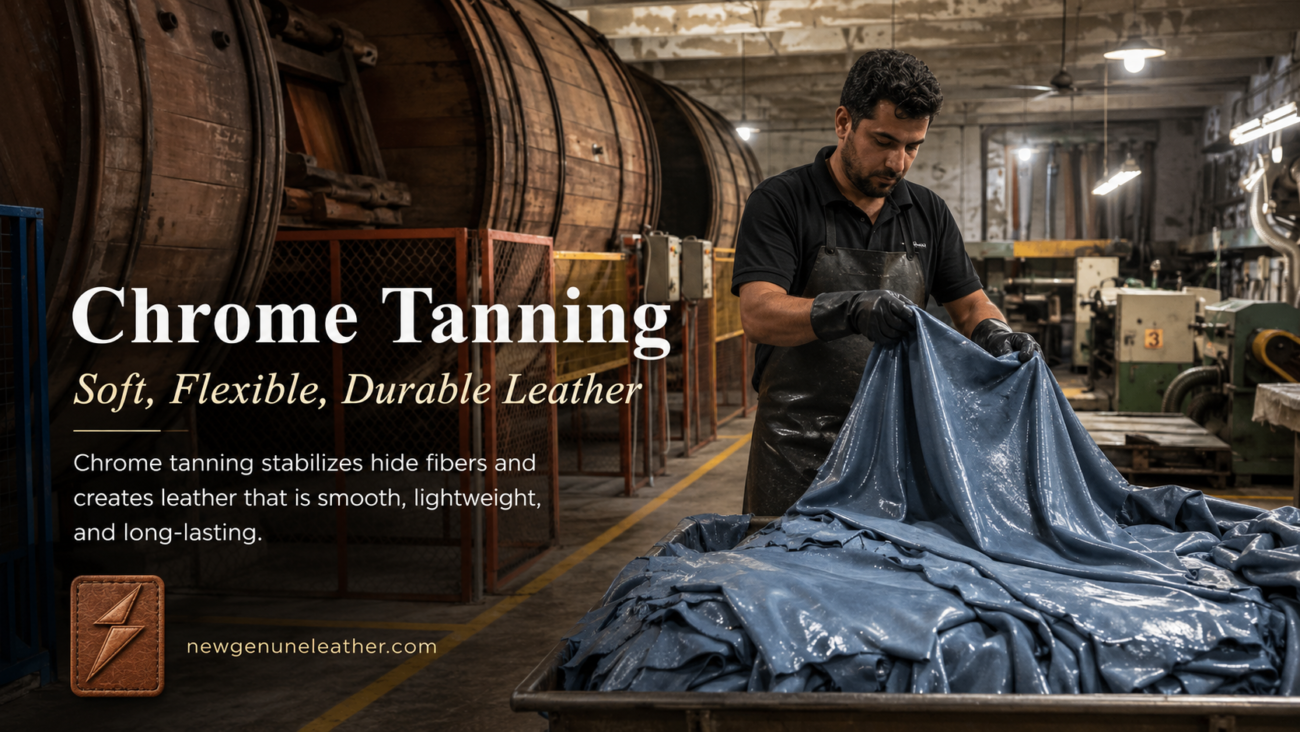
Chrome Tanning: 7 Powerful Benefits for Better Leather
Chrome tanning is one of the most widely used methods for converting raw animal hides into soft, durable, and commercially valuable lea...
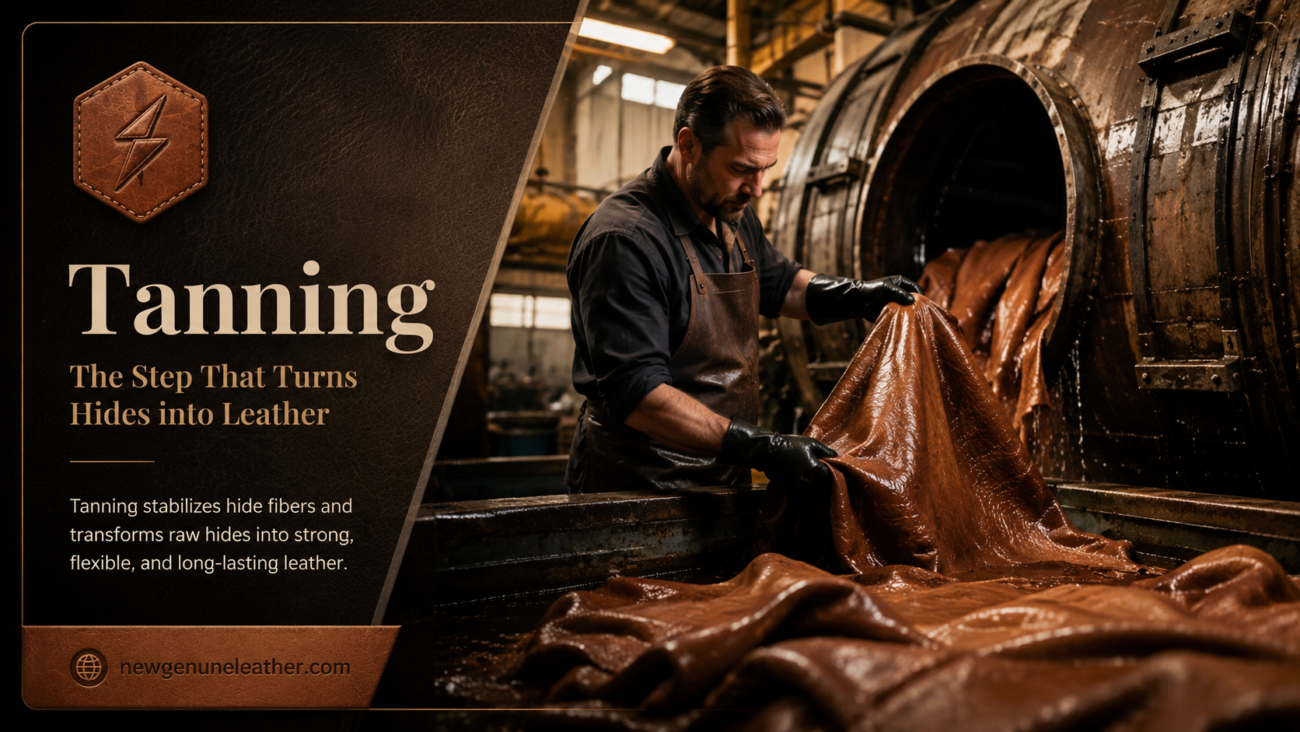
Tanning in Leather: 7 Powerful Steps to Quality
Tanning in leather is the essential manufacturing process that transforms prepared animal hides and skins into durable, flexible, and u...
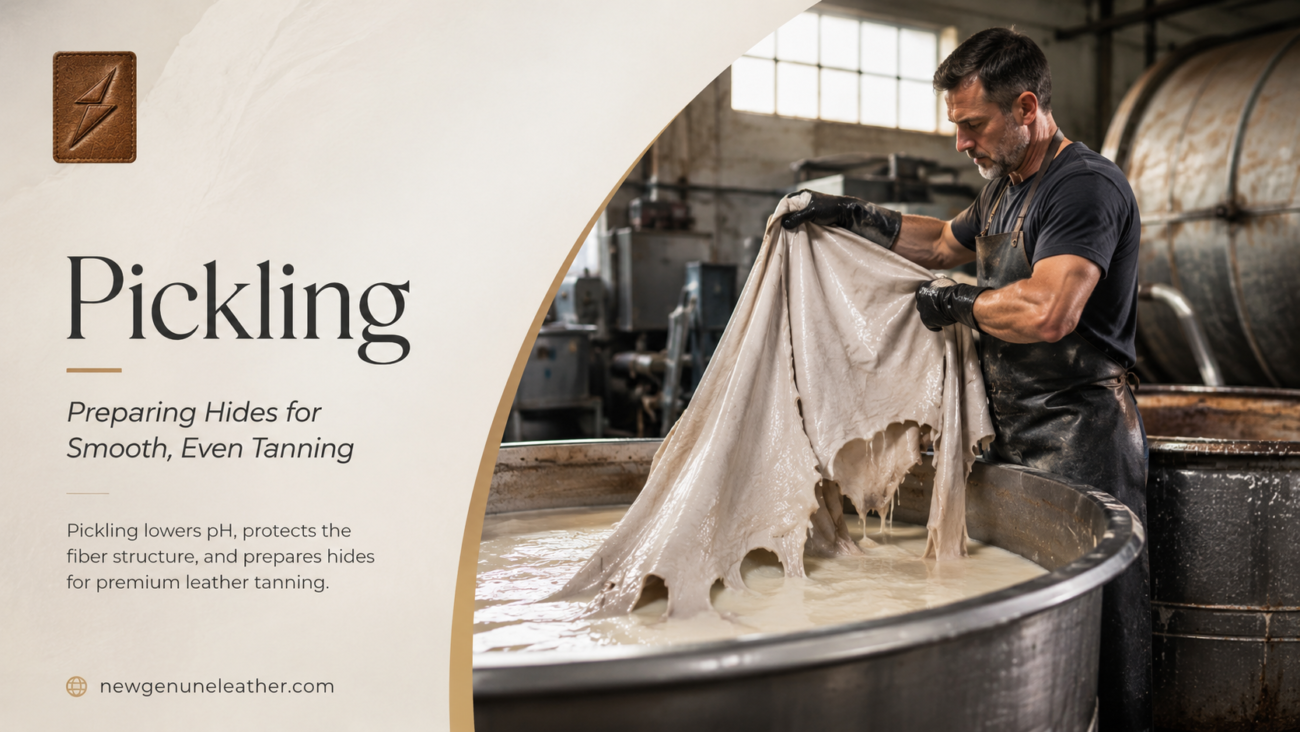
Pickling in Leather: 7 Powerful Steps for Better Quality
Pickling in Leather is an essential preparation stage between deliming and tanning. Although it is less visible than dyeing or finishin...
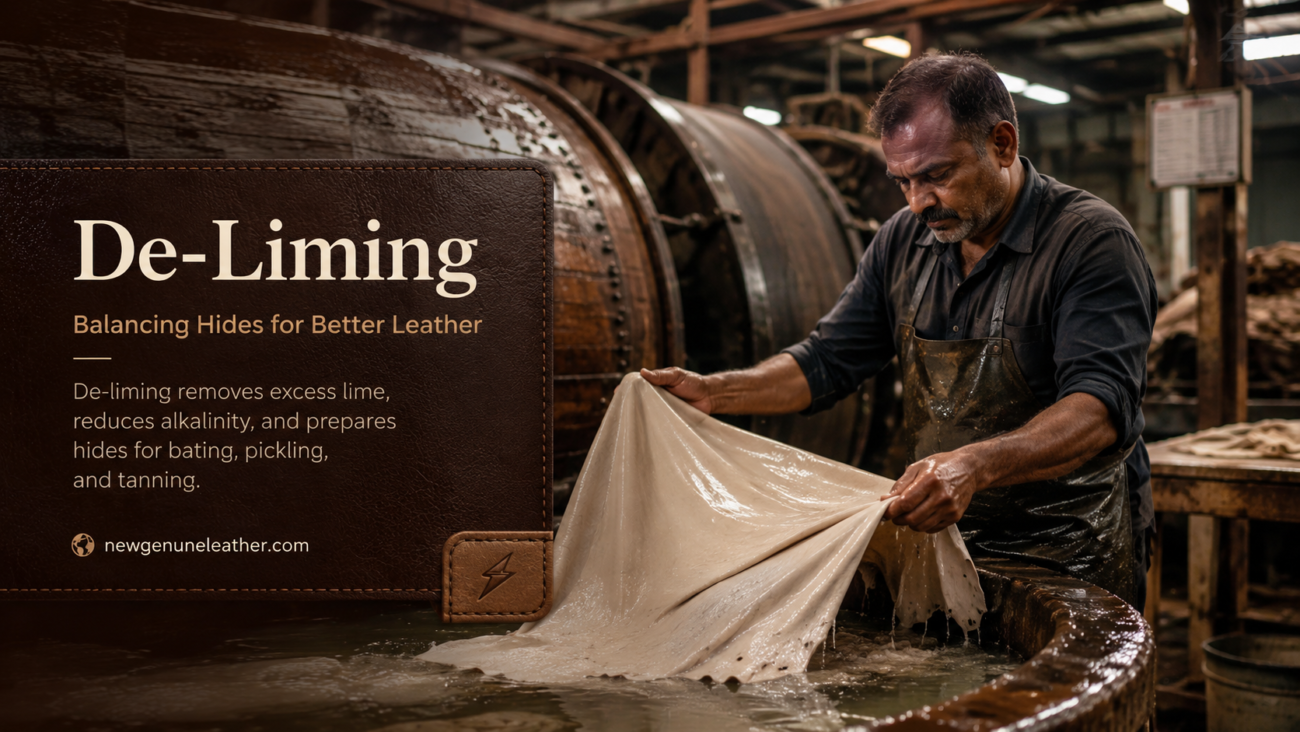
De-Liming in Leather: 7 Powerful Quality Benefits
De-Liming in Leather is one of the most important beamhouse operations in leather manufacturing. It removes residual lime and alkaline ...
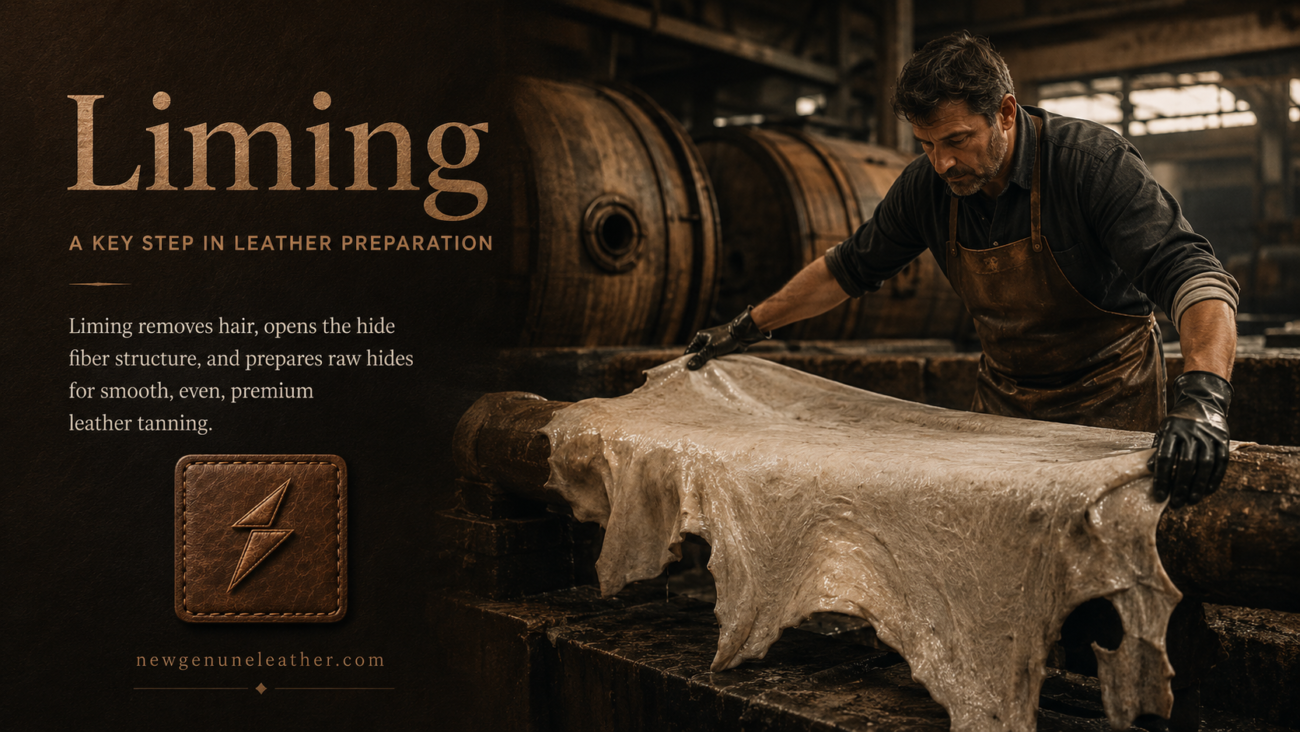
Liming in Leather Processing: Why It Is Important for Premium Leather
Introduction Liming Process in Leather
Leather production is a detailed process that converts raw hides into strong, flexible, and l...
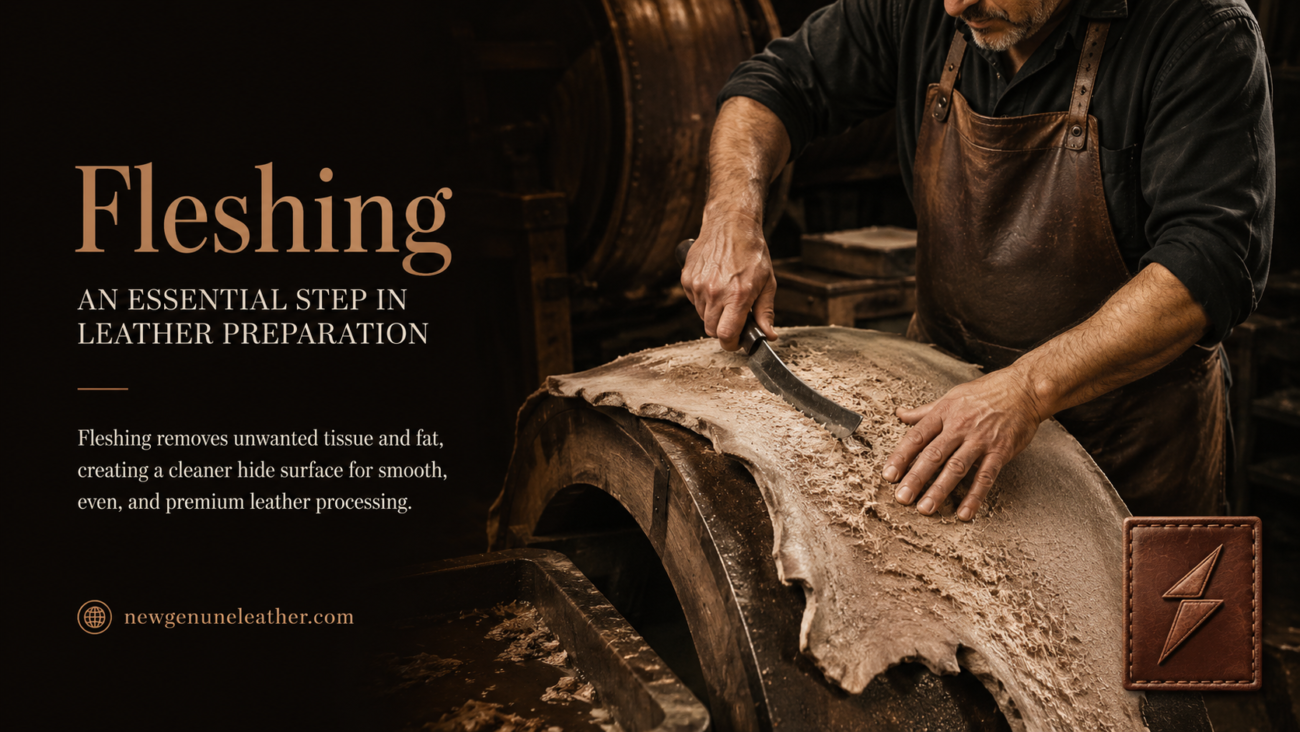
Fleshing in Leather Processing: Why It Is Important for Quality Leather
Introduction Fleshing Process in Leather
Leather making is a step-by-step process where every stage affects the strength, softness, ...
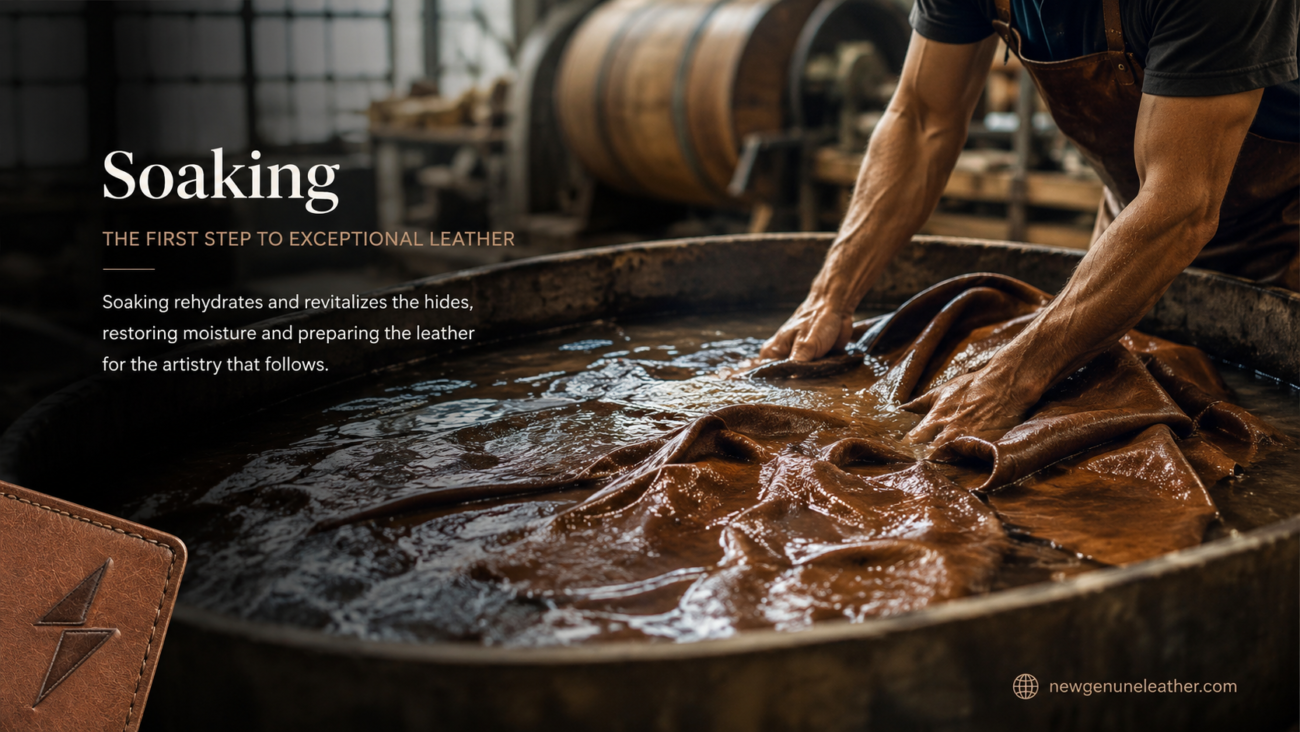
Soaking in Leather Processing: Why It Is Important for High-Quality Leather
Introduction socking in leather
Leather production is a careful and technical process that transforms raw animal hides into strong, ...
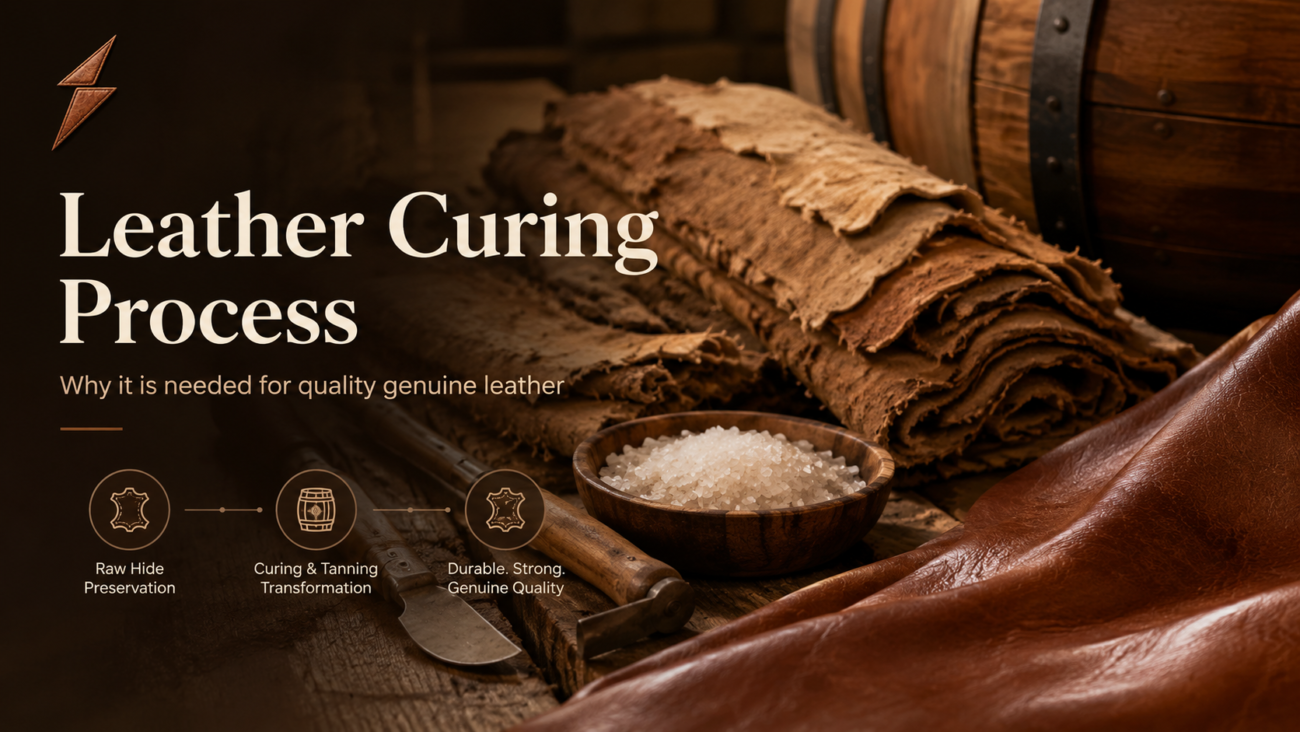
Leather Curing Process: What It Is and Why It Is Needed
What Is Leather Curing?
Leather curing is a preservation process used on raw animal hides to prevent bacterial growth and...
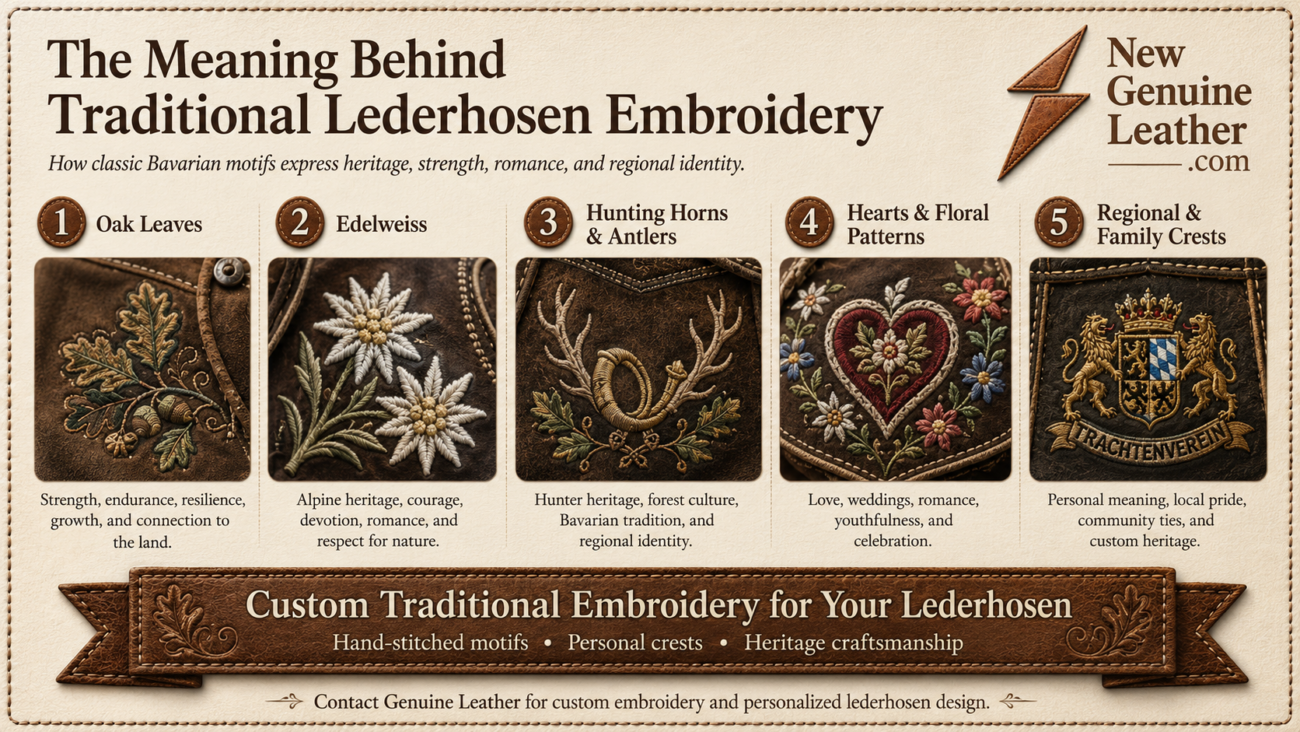
The Hidden Symbolism Behind Lederhosen Embroidery Patterns
Every embroidery motif on lederhosen tells a story. Discover the meanings behind oak leaves, edelweiss, hunting horns, and other traditional Bavarian symbols.