

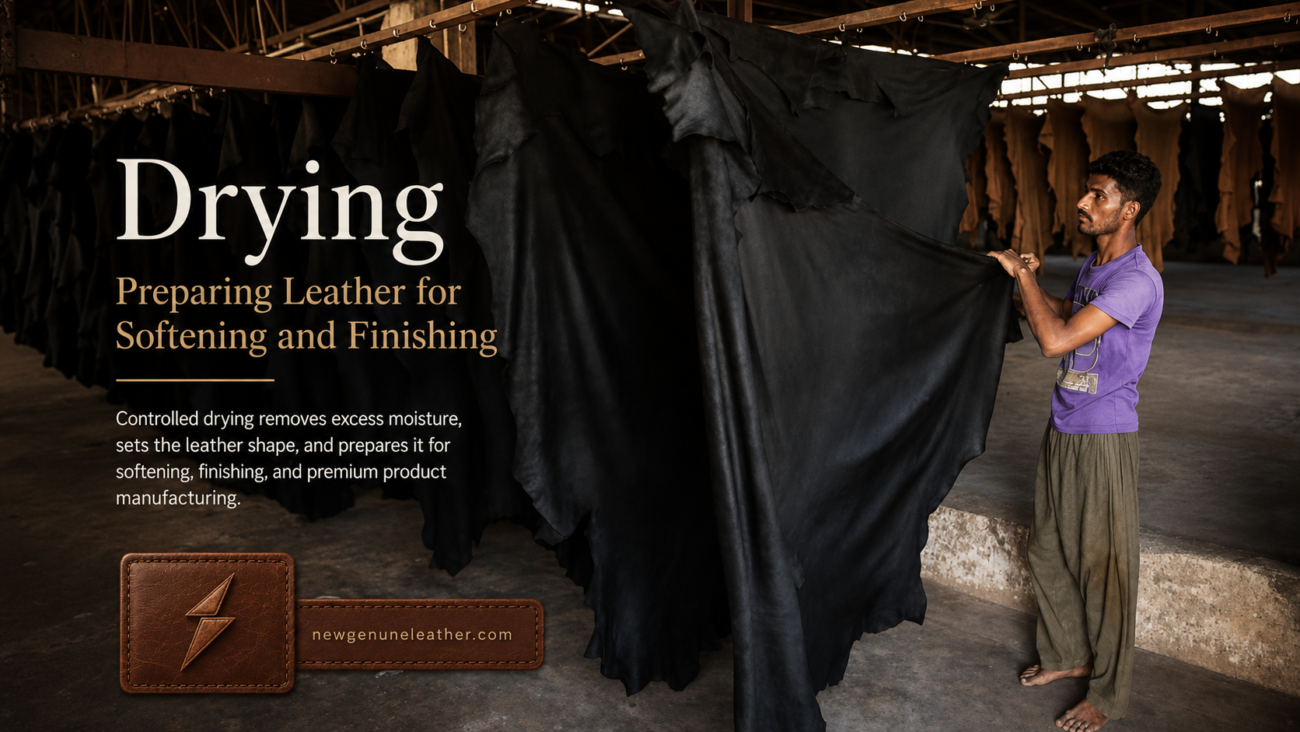
Drying Process in Leather: 7 Powerful Quality Steps
The drying process in leather is one of the most important stages between wet processing and final finishing. Leather cannot simply be ...
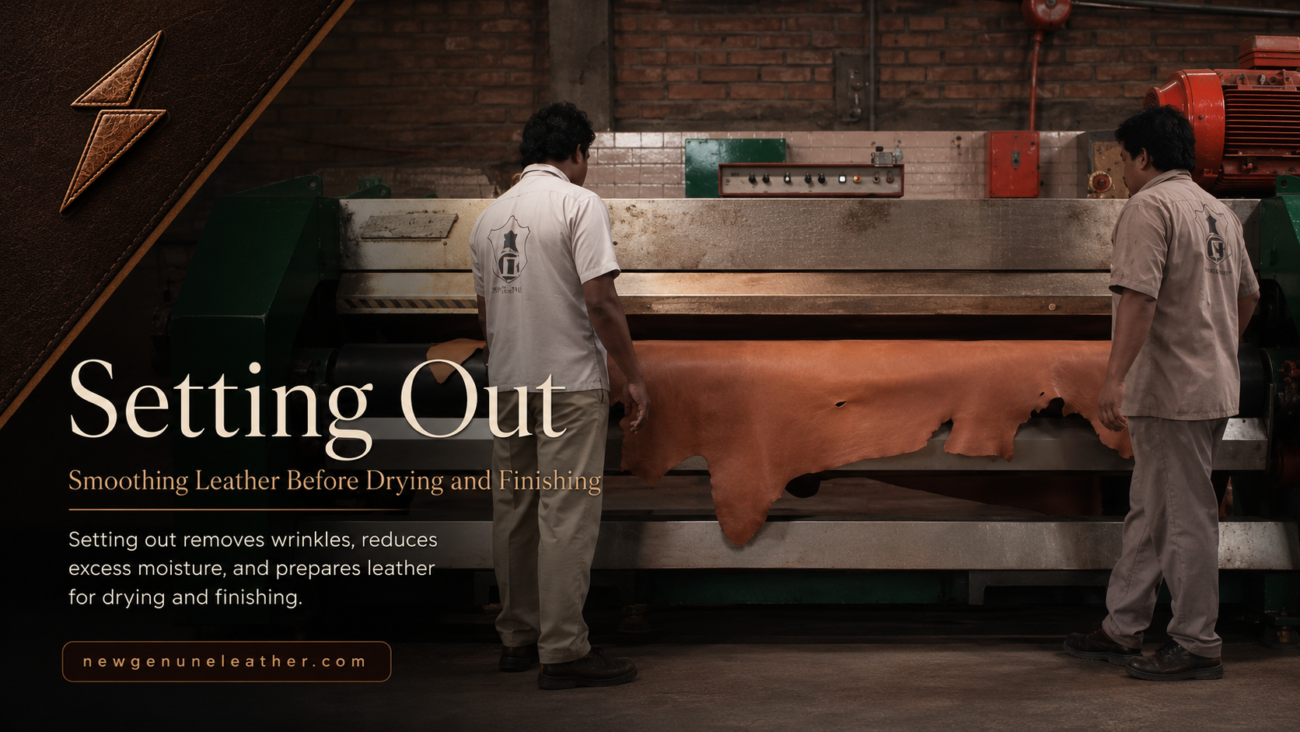
Setting Out Process in Leather: 7 Proven Benefits
The setting out process in leather is an important mechanical operation that removes excess moisture, smooths the grain surface, opens ...
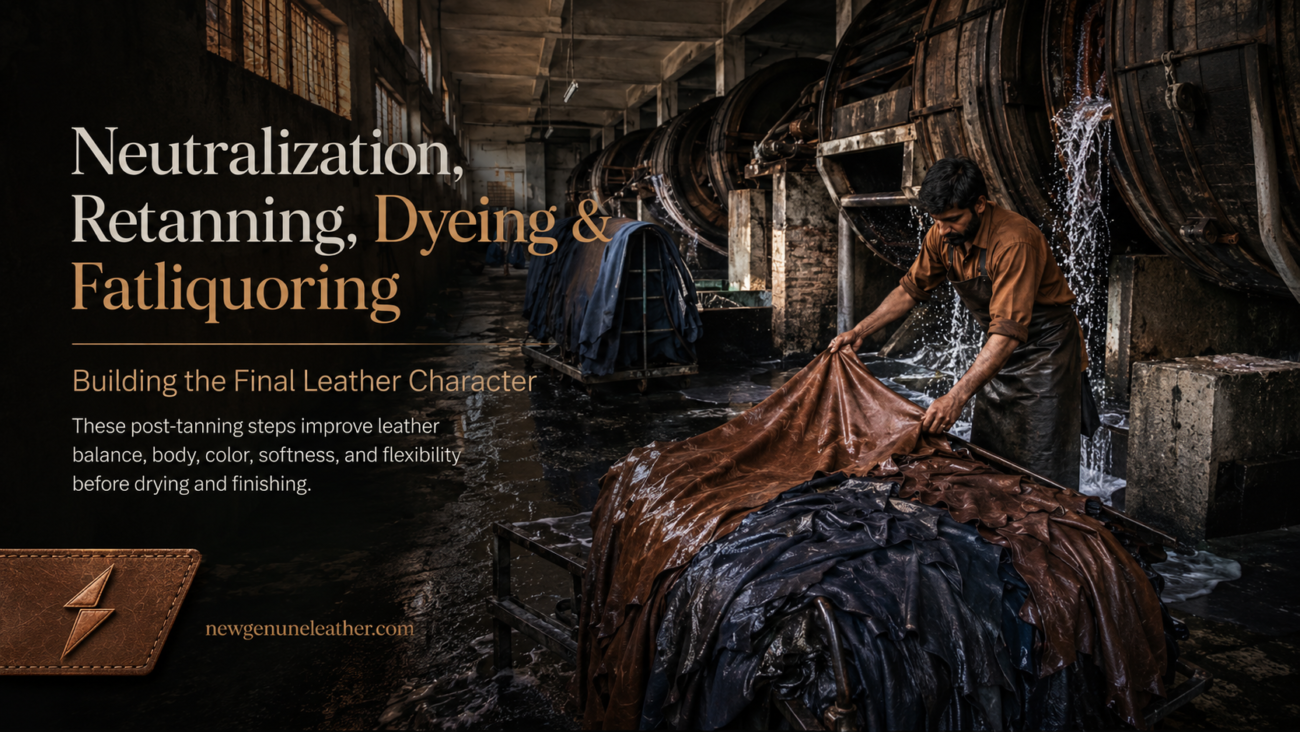
Leather Neutralization, Retanning and Dyeing: 7 Powerful Steps
Leather neutralization retanning and dyeing are three closely connected stages that help determine how finished leather looks, feels, p...
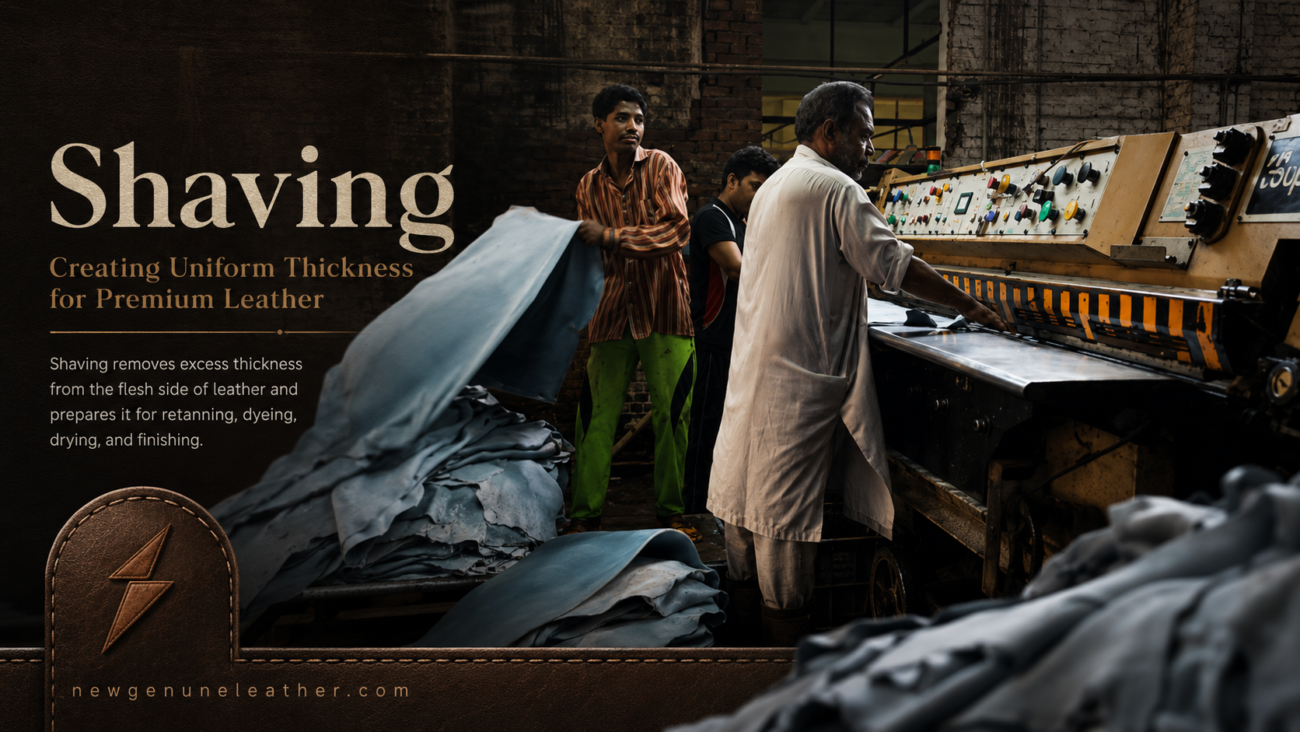
Shaving Process in Leather: 7 Powerful Quality Steps
The shaving process in leather is a critical thickness-control stage used after tanning. Natural hides are not equally thick across the...
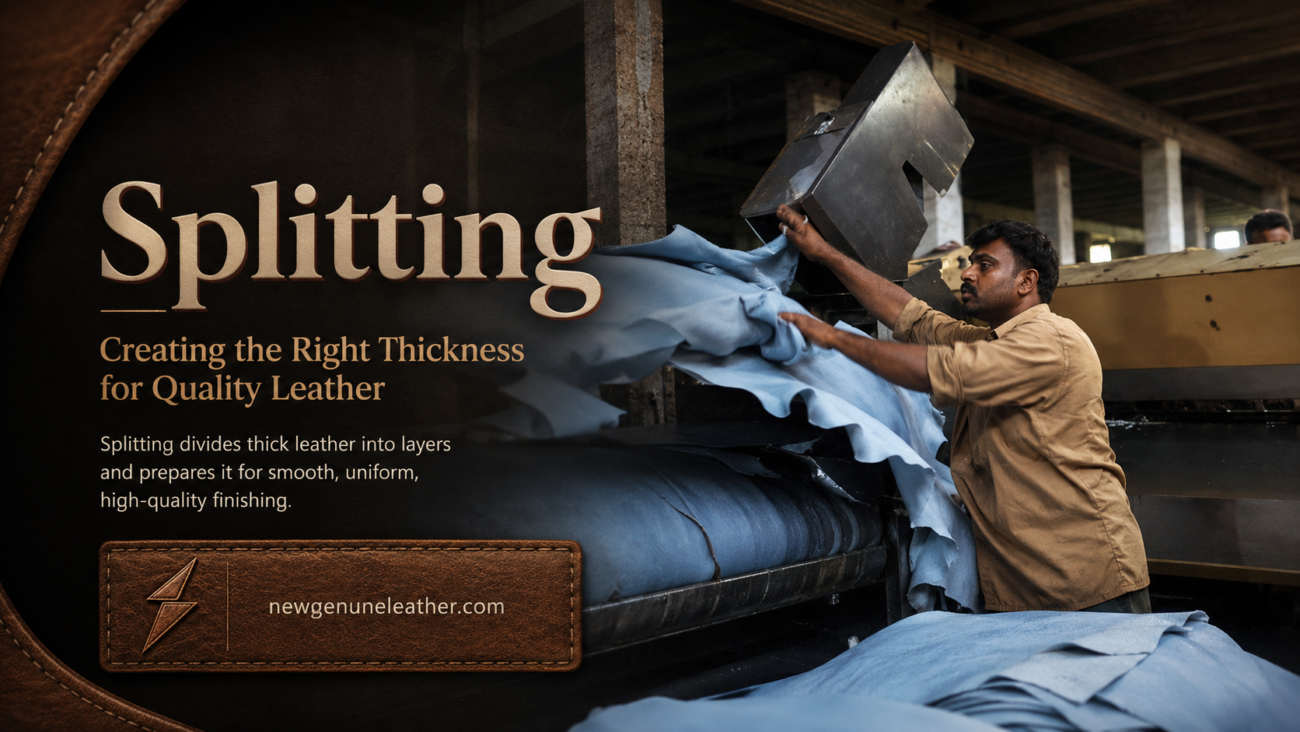
Splitting Process in Leather: 7 Powerful Quality Steps
The splitting process in leather is an essential manufacturing stage that separates a thick hide into thinner, usable layers. It helps ...
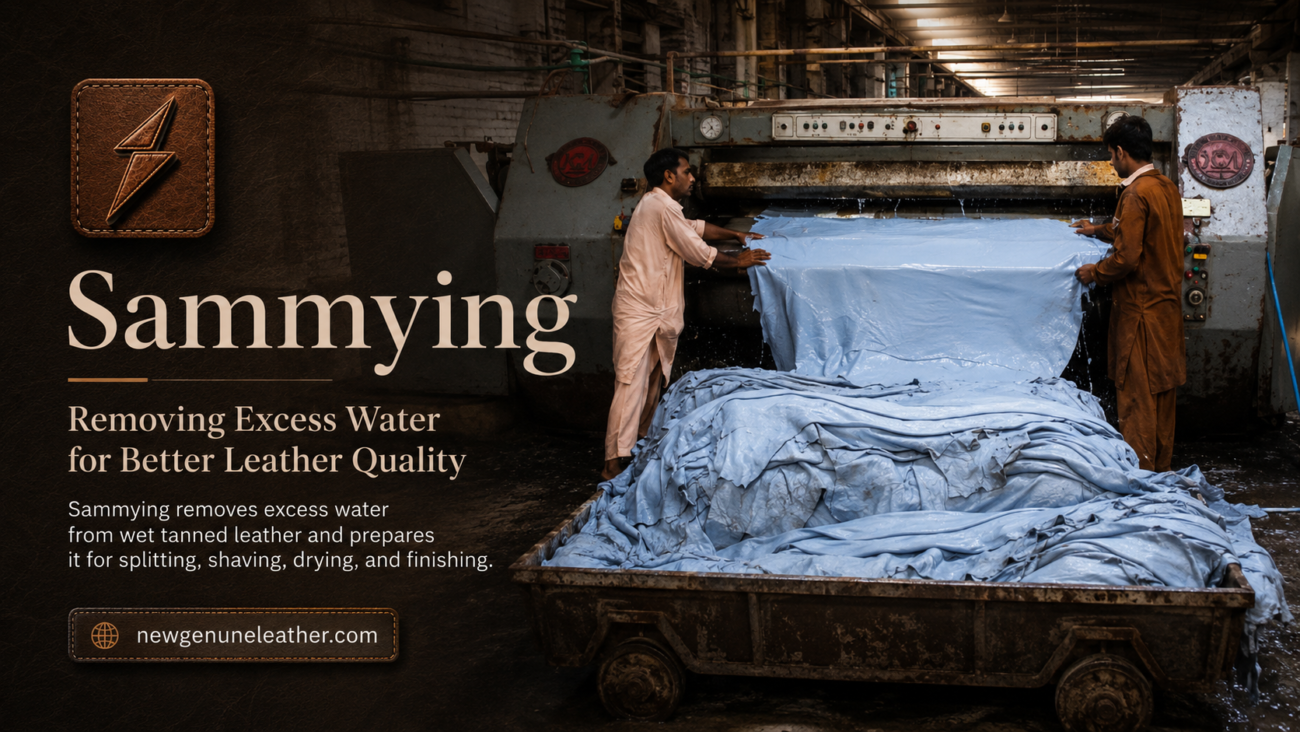
Sammying Process in Leather: 7 Powerful Quality Steps
The Sammying Process in Leather is an important mechanical operation performed after tanning to remove excess water from wet hides and ...
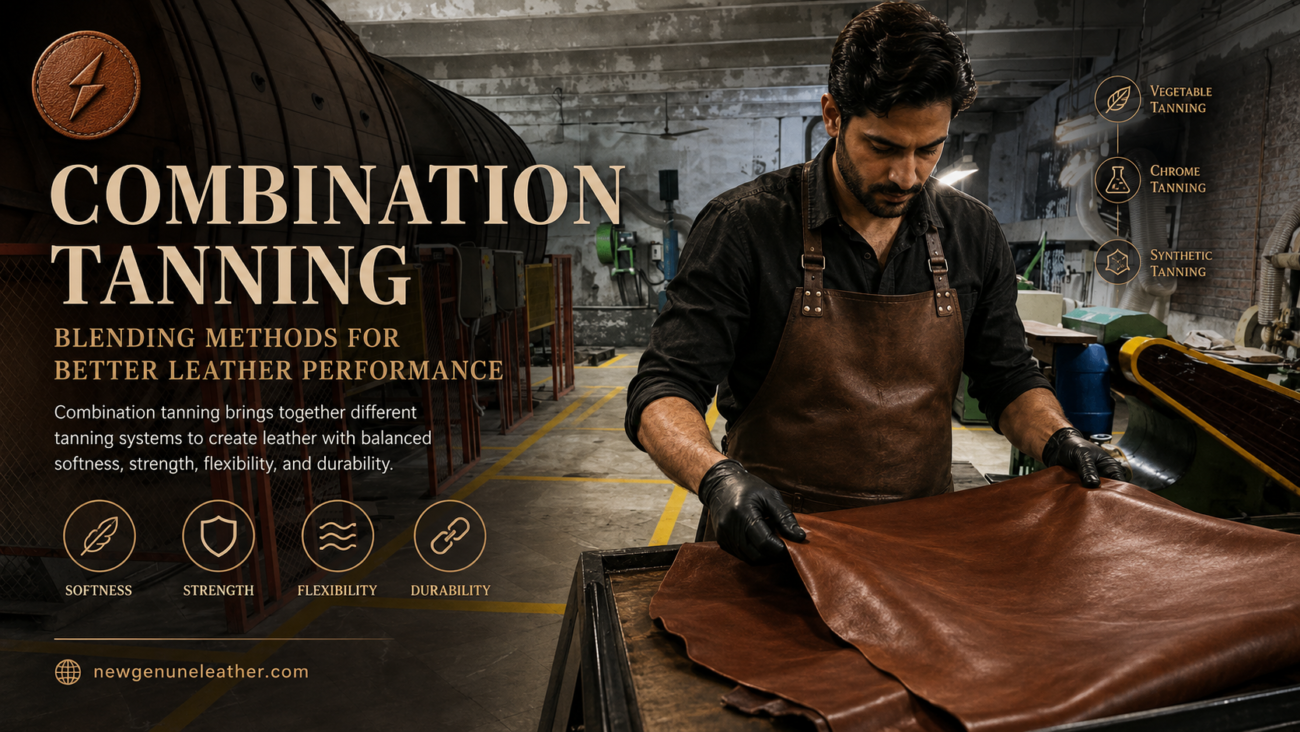
Combination Tanning Process: 7 Powerful Benefits
The combination tanning process is used to create leather that balances durability, softness, appearance, and performance. Instead of r...
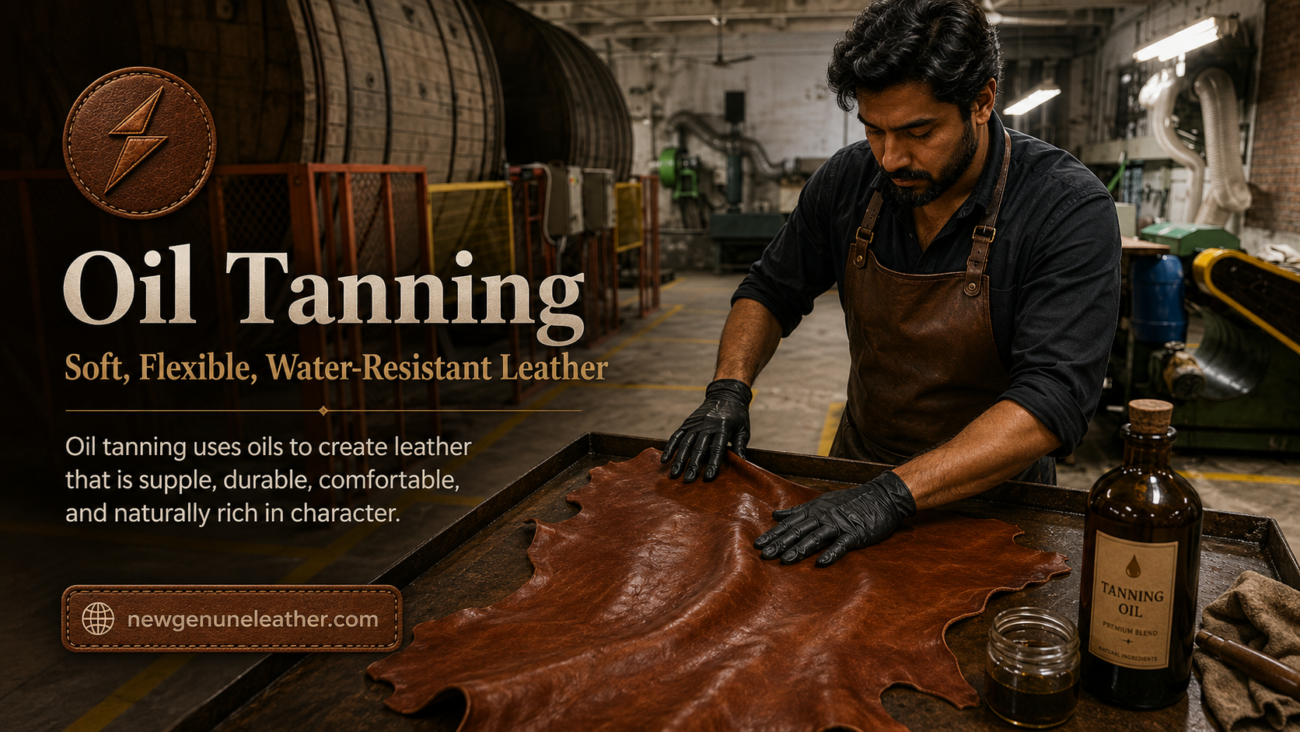
Oil Tanning Process: 7 Powerful Steps for Premium Leather
The oil tanning process is used to create leather with a soft handle, flexible structure, rich color, and distinctive surface character...
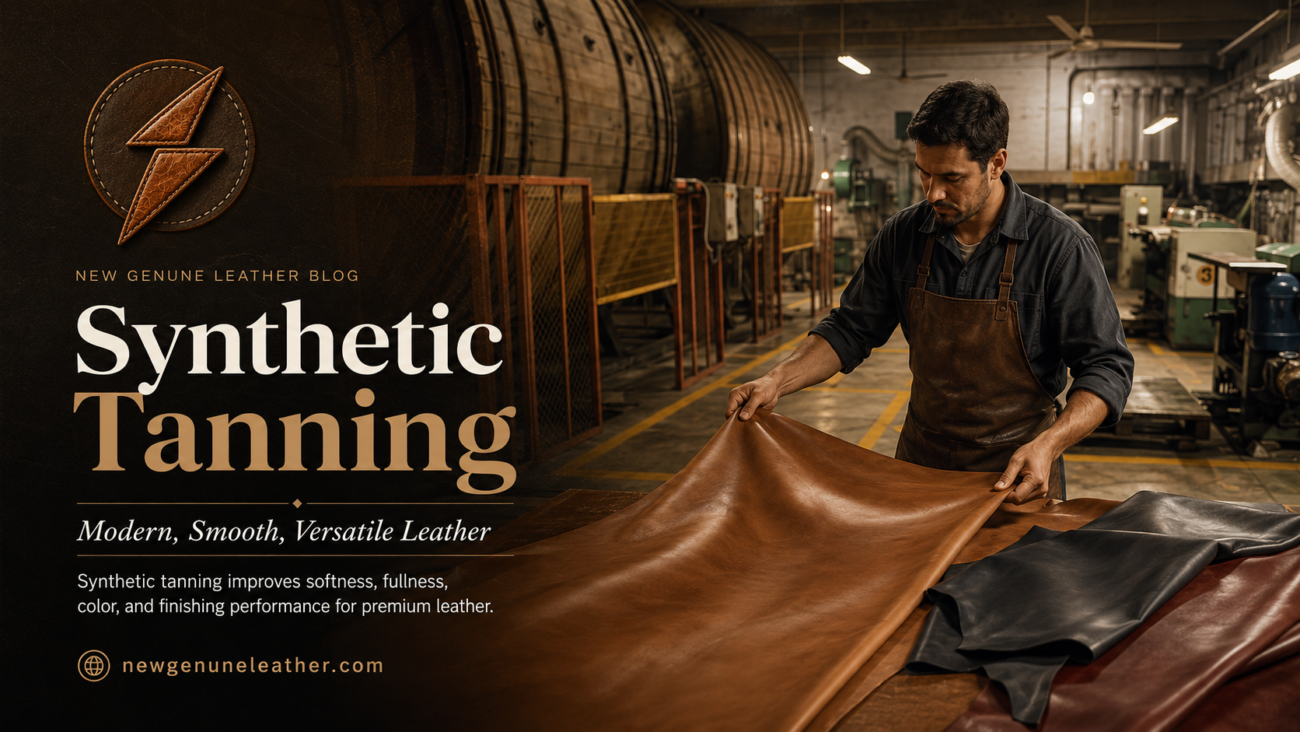
Synthetic Tanning: 7 Powerful Benefits for Better Leather
Synthetic tanning is a leather-making method that uses manufactured organic tanning agents to stabilize animal hide and influence its c...
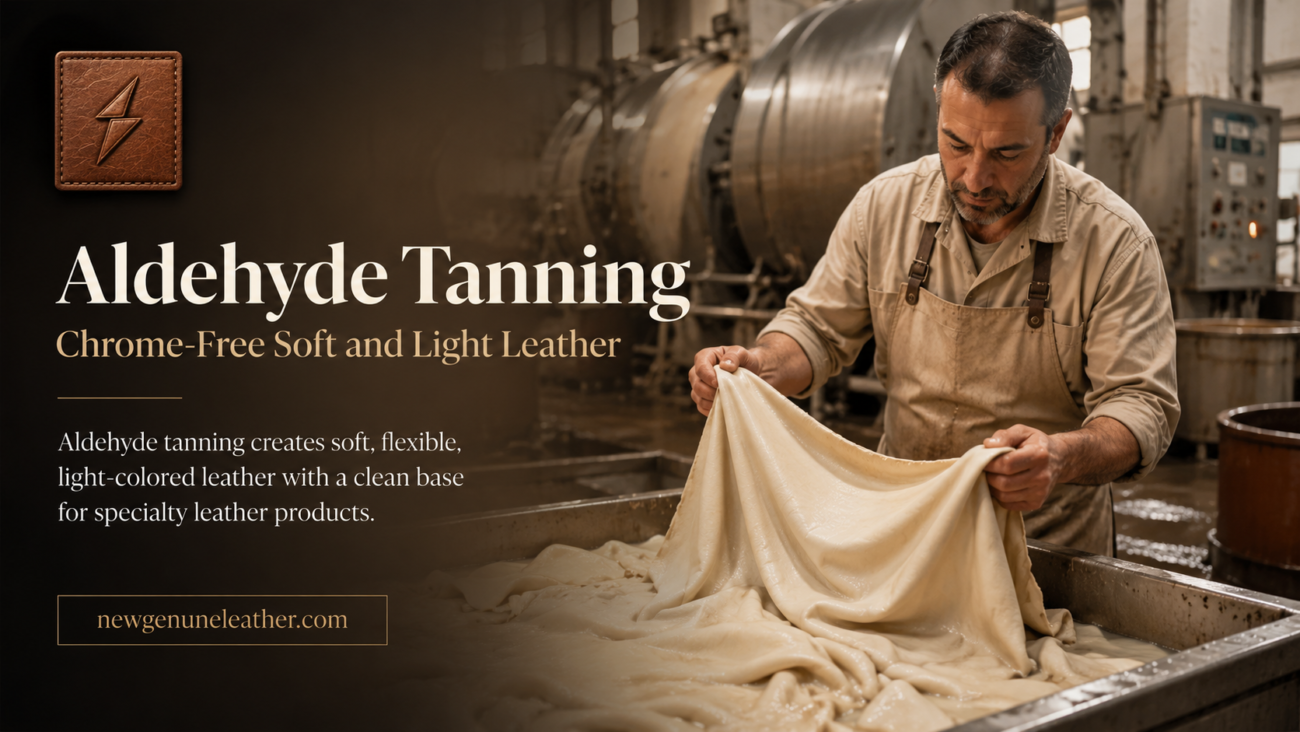
Aldehyde Tanning: 7 Powerful Facts Buyers Must Know
Aldehyde tanning is a chrome-free leather-processing method used to stabilize animal hides and produce pale, versatile leather for garm...