
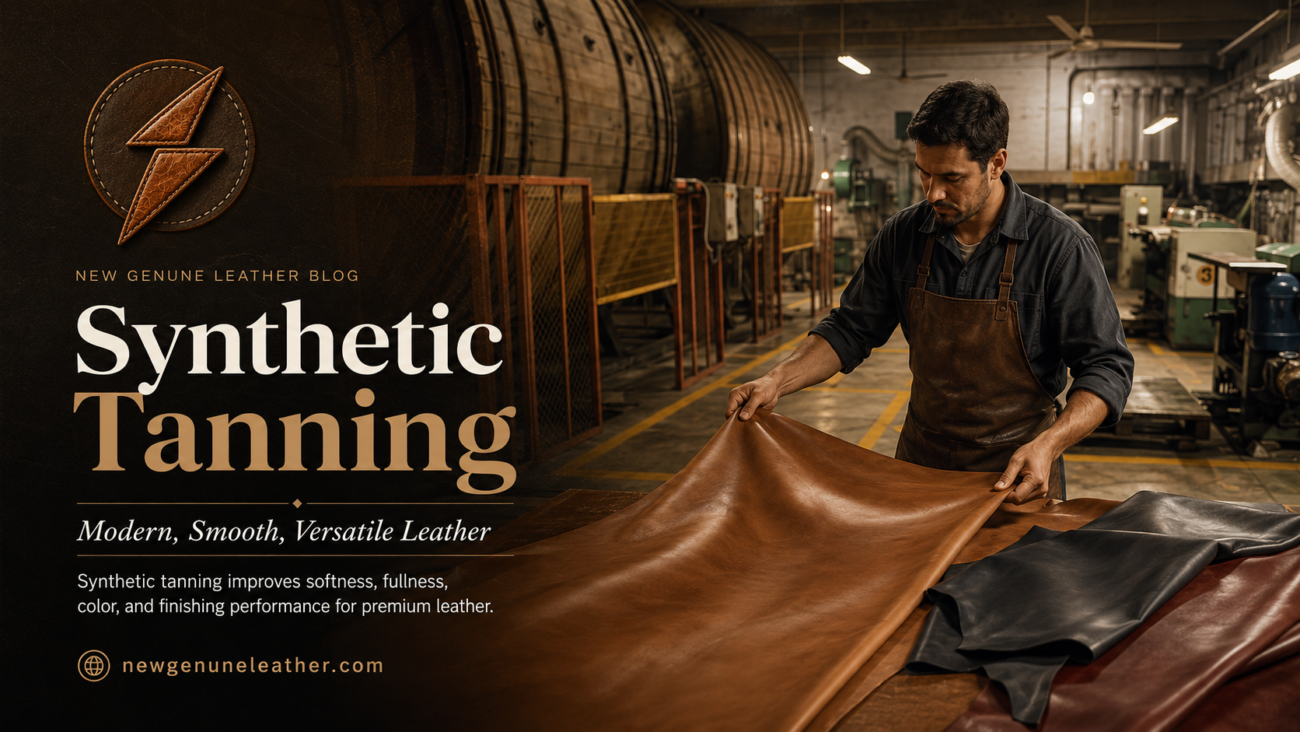
Synthetic Tanning in Leather Processing: A Modern Method for Versatile Leather
Introduction
Leather tanning has developed over time from traditional natural methods to modern controlled systems. One important mo...
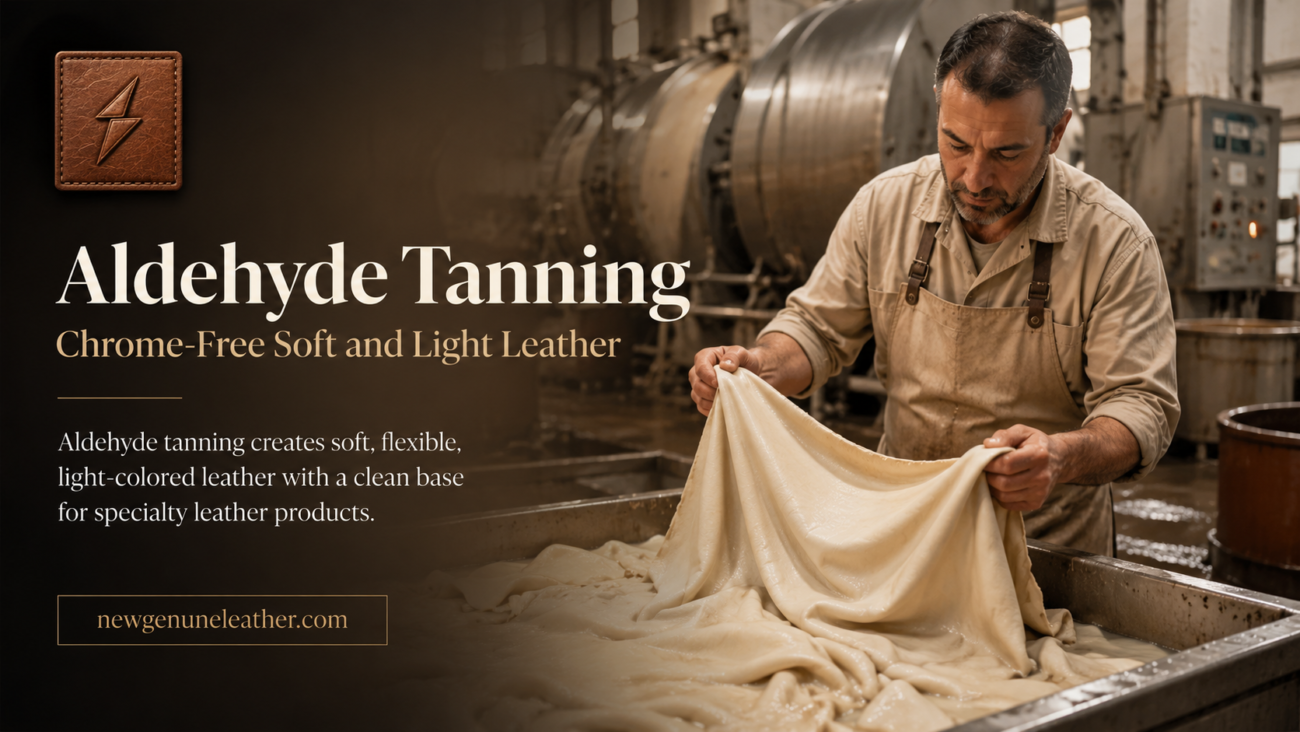
Aldehyde Tanning in Leather Processing: A Chrome-Free Method for Soft and Light Leather
Introduction
Leather tanning can be done through different methods depending on the final quality, color, softness, and product use....
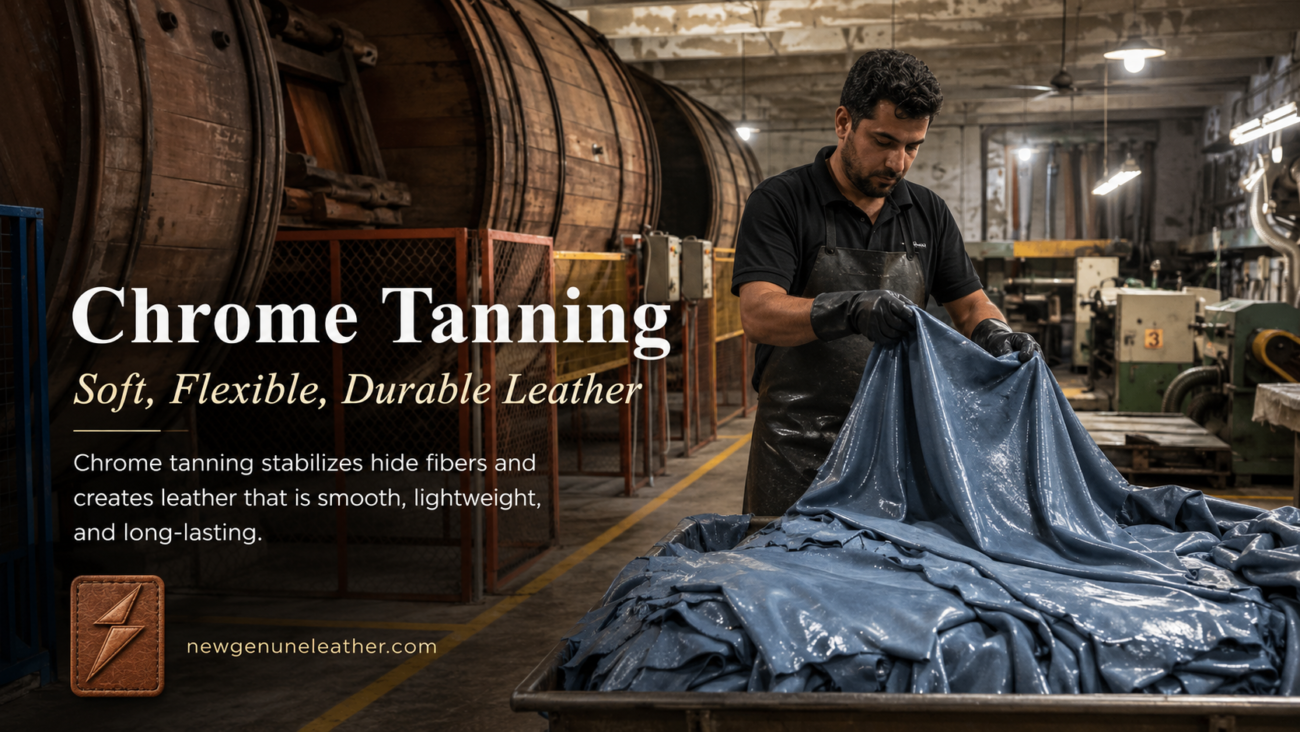
Chrome Tanning in Leather Processing: Why It Is Widely Used for Premium Leather
Introduction
Leather can be tanned in different ways, but one of the most widely used methods in modern leather production is chrome...
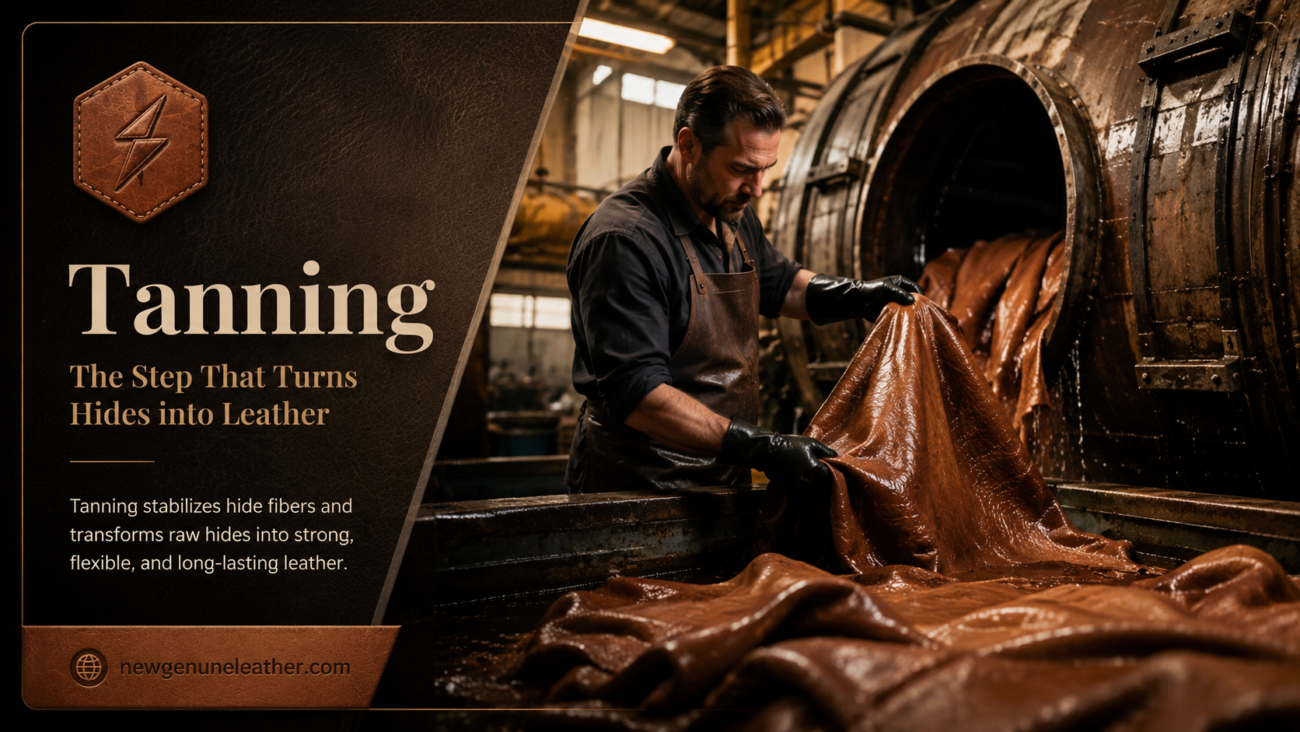
Tanning in Leather Processing: The Step That Turns Hides into Leather
Introduction
Leather production becomes truly meaningful at the tanning process. Before tanning, a hide is still a natural animal sk...
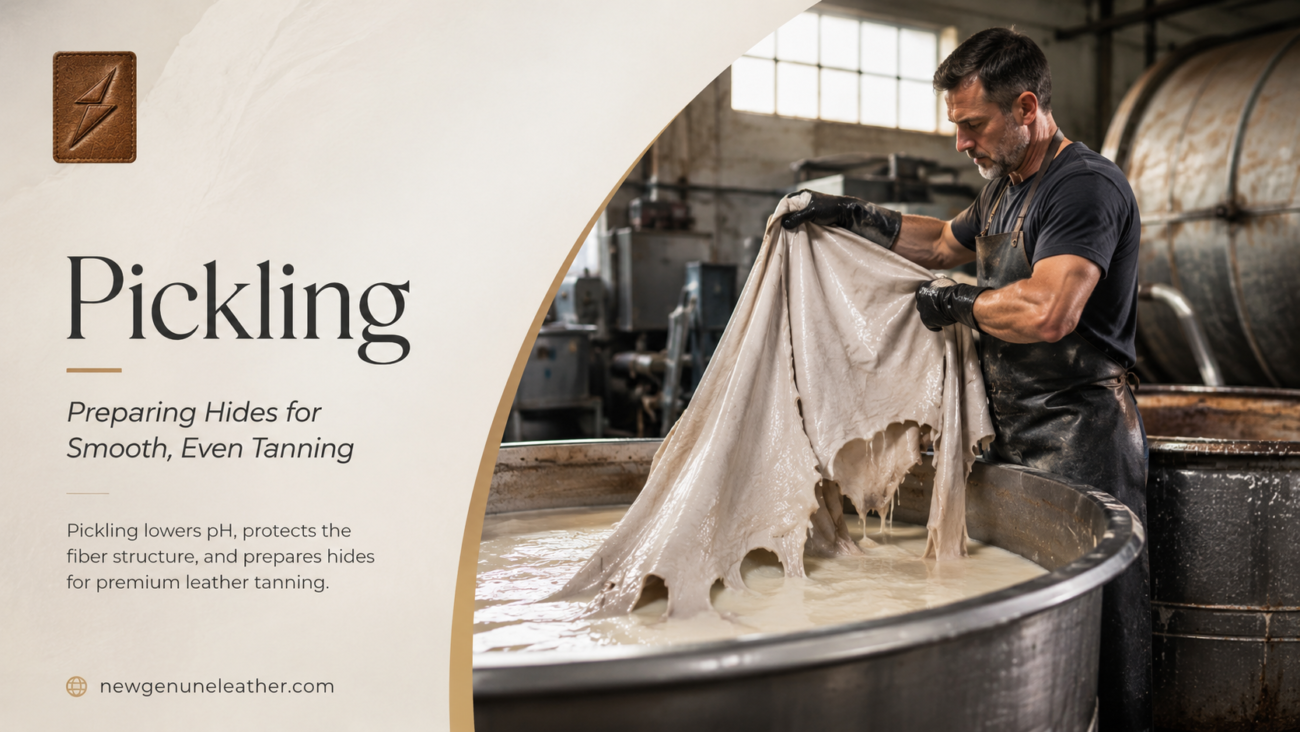
Pickling in Leather Processing: Why It Is Important for Premium Leather
Leather production is a carefully controlled process where raw hides pass through several preparation stages before they become finishe...
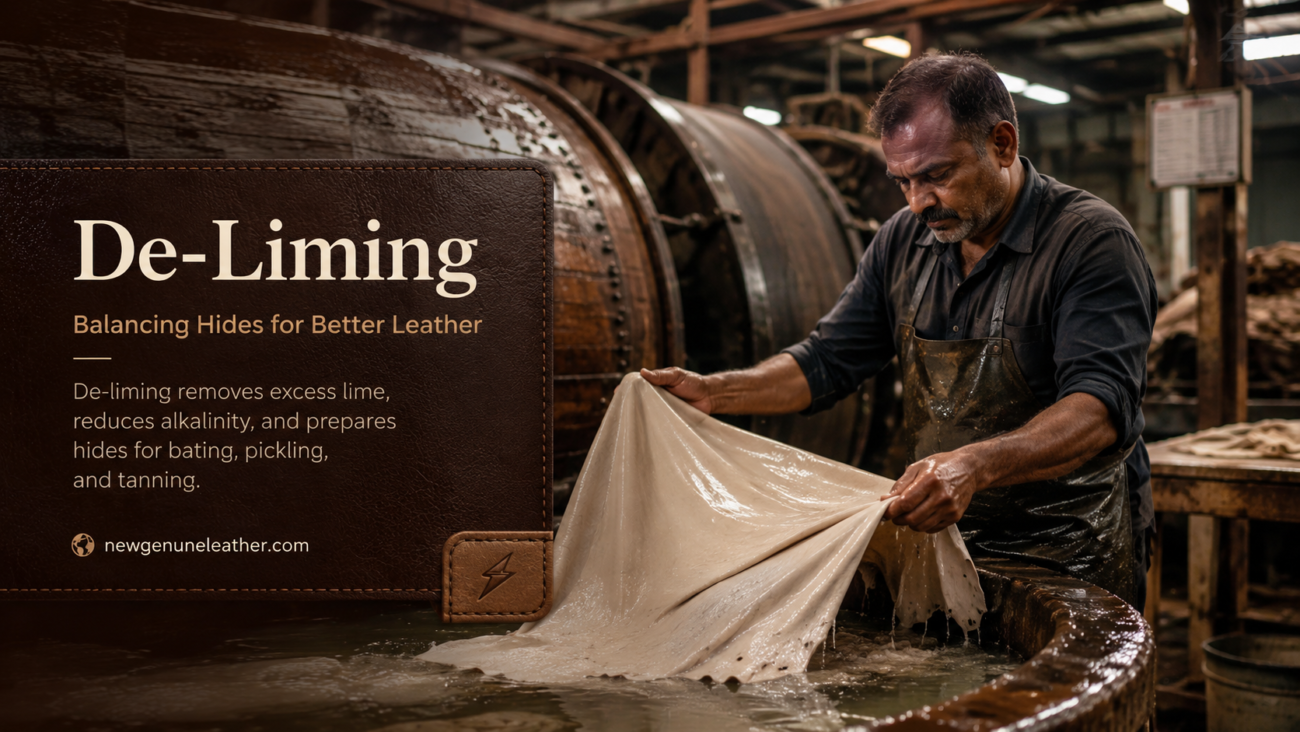
De-Liming in Leather Processing: Why It Is Important for Premium Leather
Introduction
Leather production is a technical process where every step must be carefully controlled to produce strong, soft, and du...
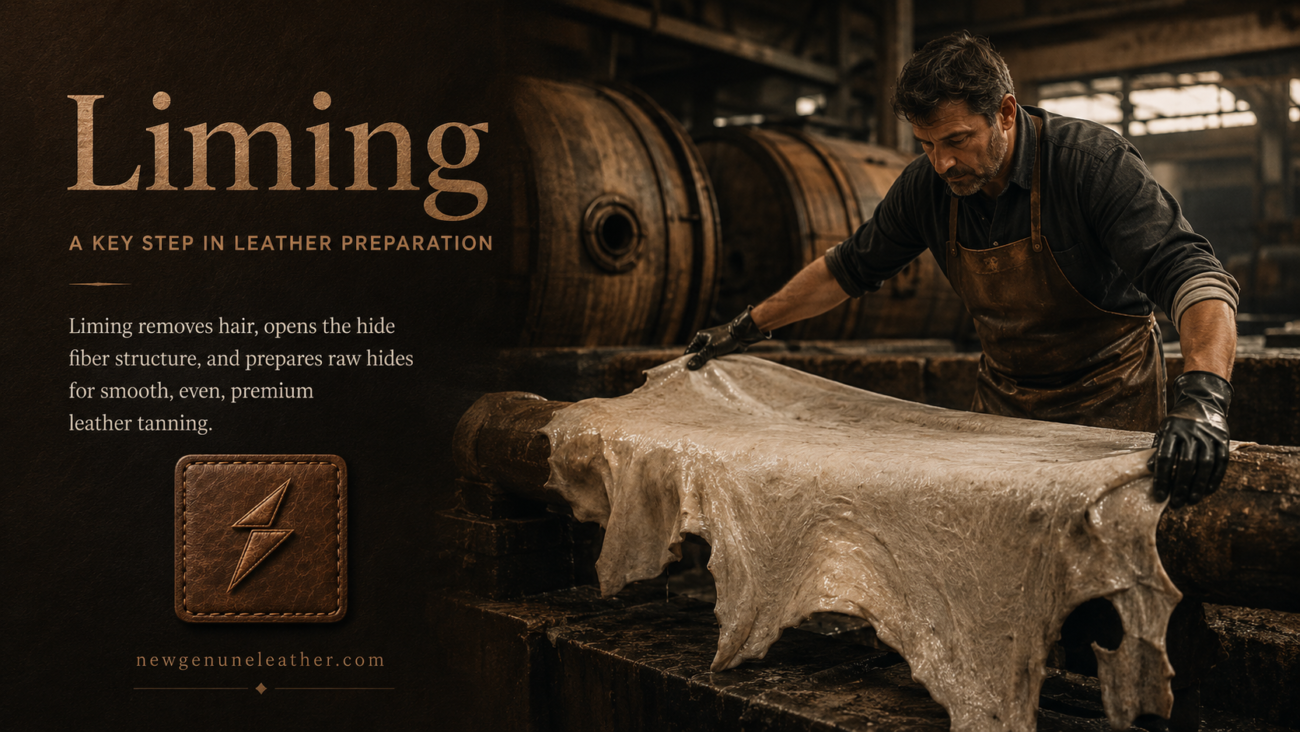
Liming in Leather Processing: Why It Is Important for Premium Leather
Introduction Liming Process in Leather
Leather production is a detailed process that converts raw hides into strong, flexible, and l...
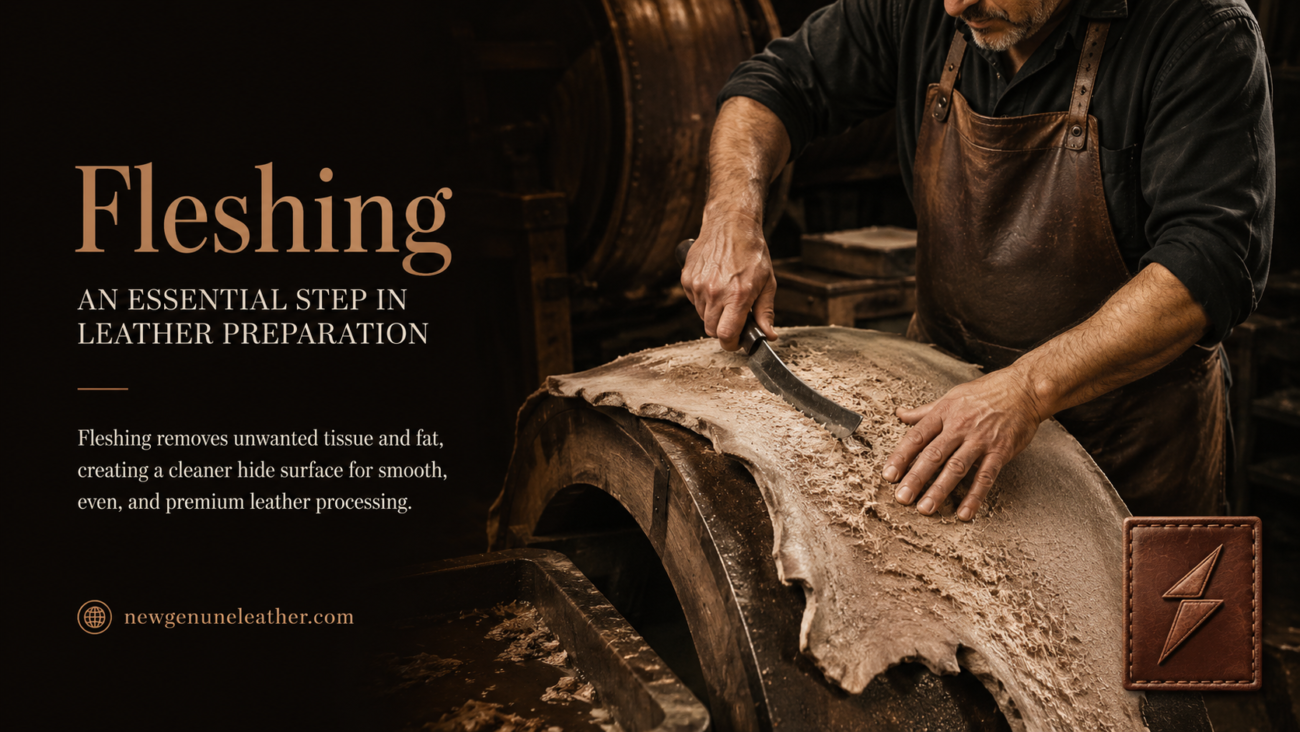
Fleshing in Leather Processing: Why It Is Important for Quality Leather
Introduction Fleshing Process in Leather
Leather making is a step-by-step process where every stage affects the strength, softness, ...
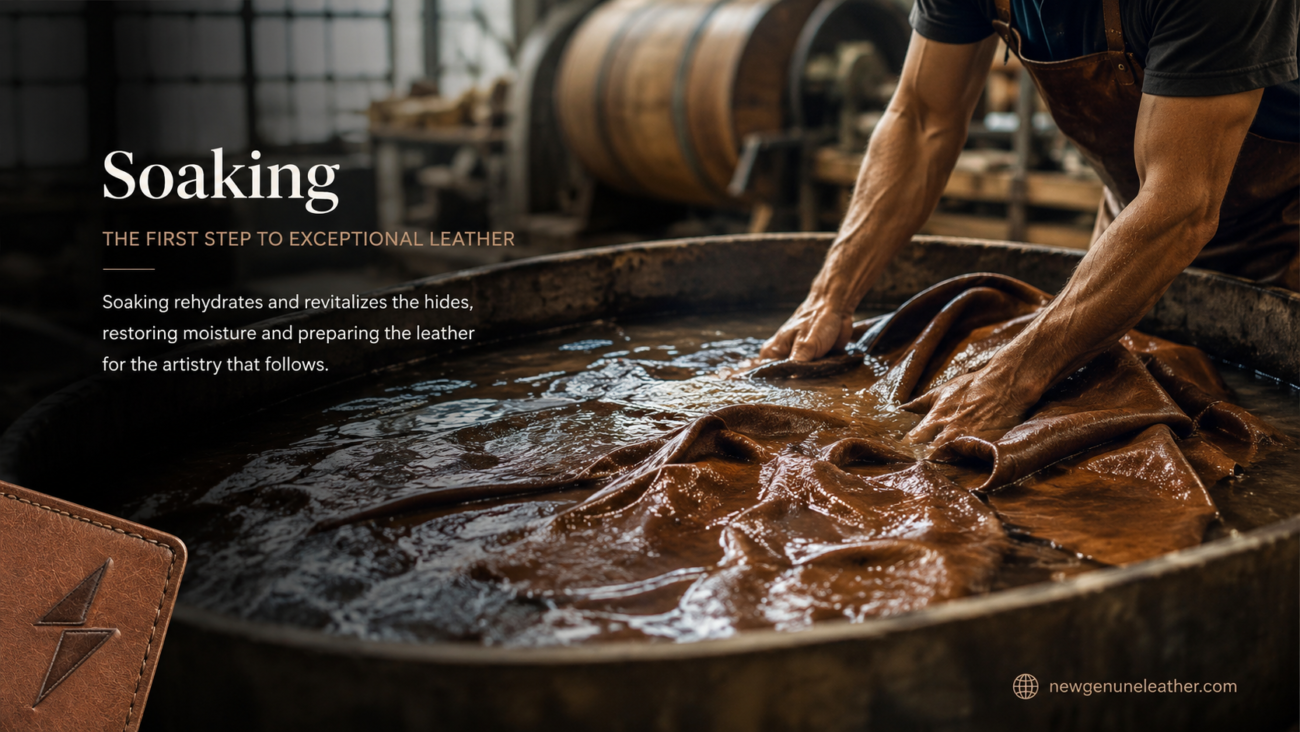
Soaking in Leather Processing: Why It Is Important for High-Quality Leather
Introduction socking in leather
Leather production is a careful and technical process that transforms raw animal hides into strong, ...