
Genuine Leather Blog

What Is Lederhosen? 7 Fascinating Facts and Uses

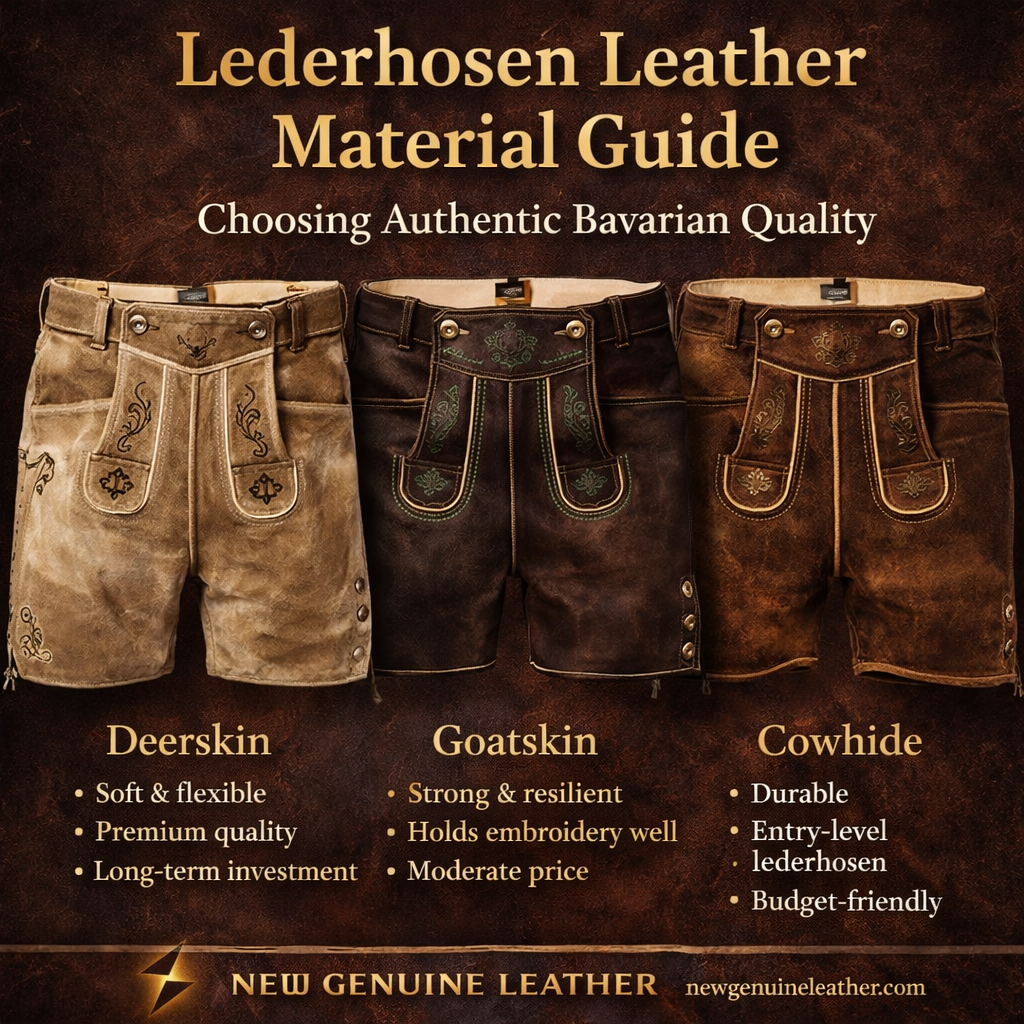
lederhosen leather material guide featuring authentic bavarian leather craftsmanship

What is lederhosen, and why has this traditional Alpine clothing remained popular for generations? Lederhosens are leather breeches associated mainly with Bavaria, Austria, and other Alpine regions. Once worn as practical workwear, they are now used for Oktoberfest celebrations, weddings, tourism, cultural performances, hospitality uniforms, and modern fashion.

For buyers, asking what is lederhosen means looking beyond a pair of leather shorts. Authentic designs combine genuine leather, strong construction, embroidery, suspenders, decorative buttons, and a recognizable Bavarian silhouette.

At New Genuine Leather (NGL), we manufacture lederhosens for wholesale, OEM, rental, and private-label buyers worldwide. This guide explains their history, materials, features, styling, care, and sourcing requirements.

1. What Is Lederhosen in Simple Terms?

The German word “Leder” means leather, while “Hosen” means trousers or breeches. “Lederhoses” is the singular form, and is plural, although English speakers commonly use for both.

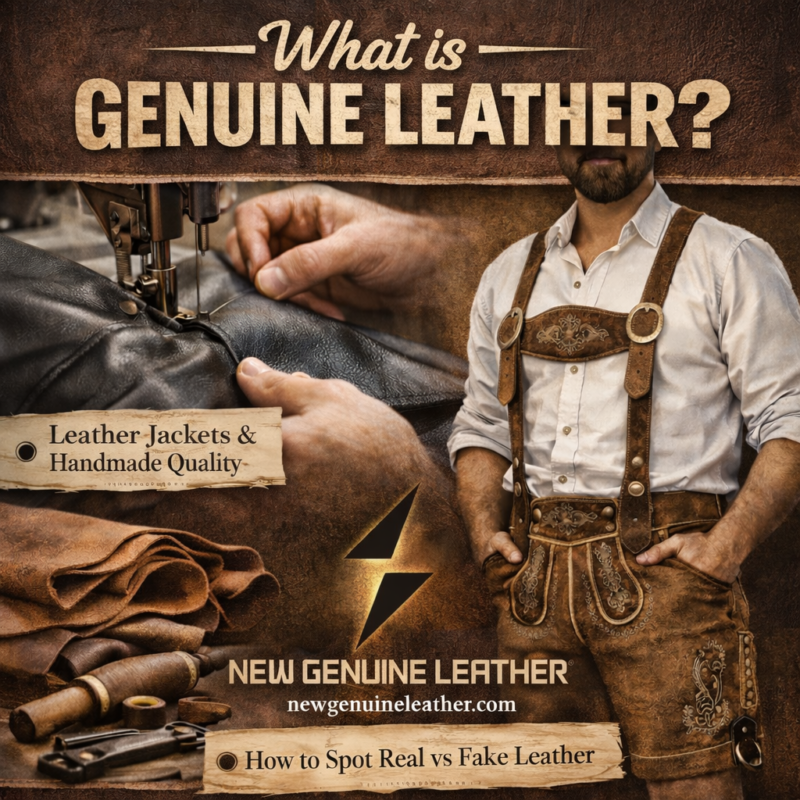
So, what is lederhosen in practical terms? It is a traditional leather garment made in short, knee-length, or longer cuts. Most styles feature a front flap, side buttons, pockets, decorative embroidery, and adjustable suspenders.

Unlike ordinary leather shorts, lederhosen follow a distinct cultural design. The cut, hardware, stitching, embroidery, and suspender system create the traditional appearance that buyers recognize.

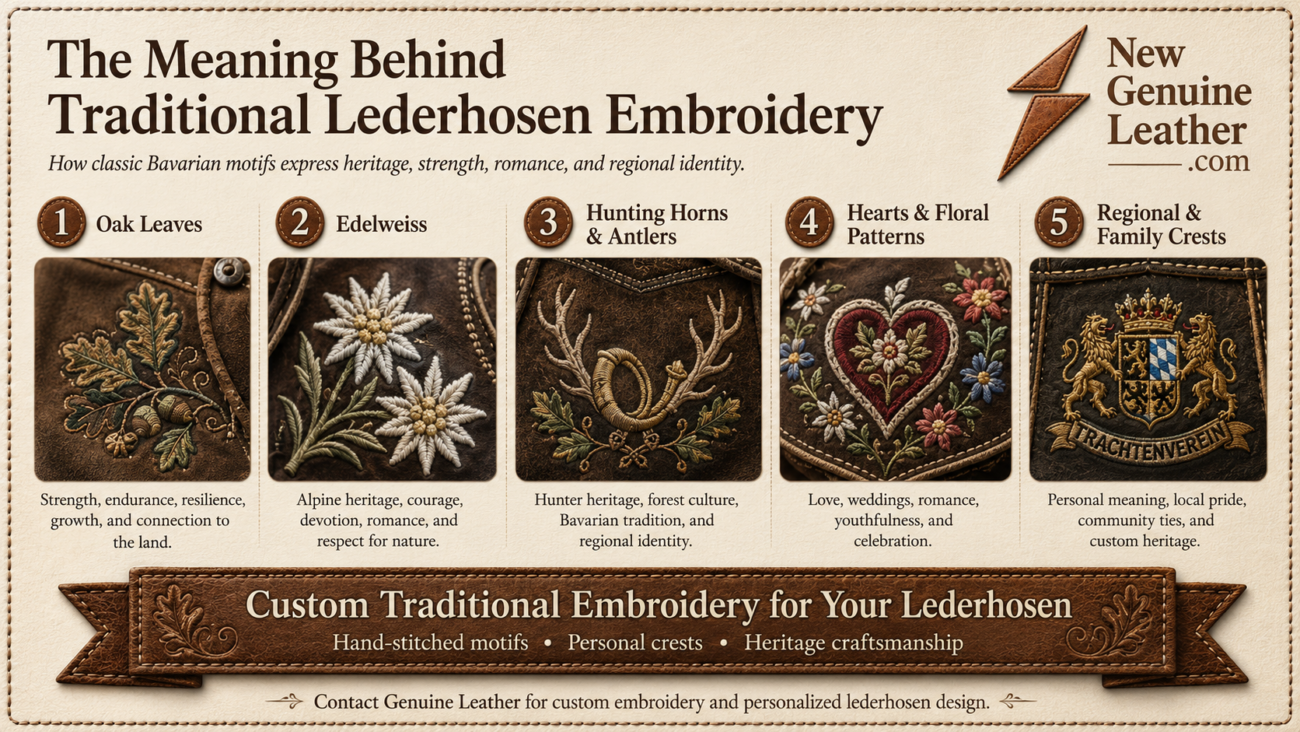
The front flap is especially important because it gives the garment its characteristic Bavarian look. It may feature floral, animal, Alpine, or regional embroidery, depending on the style and target market.

2. Where Did Originate?

Developed as durable clothing for men working in Alpine areas, particularly Bavaria, Austria, and Tyrol. Farmers, hunters, riders, and outdoor workers valued leather because it tolerated rough use and provided protection during physical work.

The shorter cut allowed easier movement in rural and mountainous environments. Leather was also more resistant to branches, dirt, and demanding outdoor conditions than many lightweight woven fabrics.

Over time, regional clothing groups helped preserve lederhosen as part of traditional Alpine dress. The garment gradually developed from practical workwear into an important symbol of regional culture and identity.

Today, lederhosen are worn at Oktoberfest celebrations, weddings, folk festivals, traditional performances, tourism venues, and Bavarian-themed events worldwide.

Readers interested in broader German traditions and cultural travel can visit the German National Tourist Board.

3. What Is Made From?

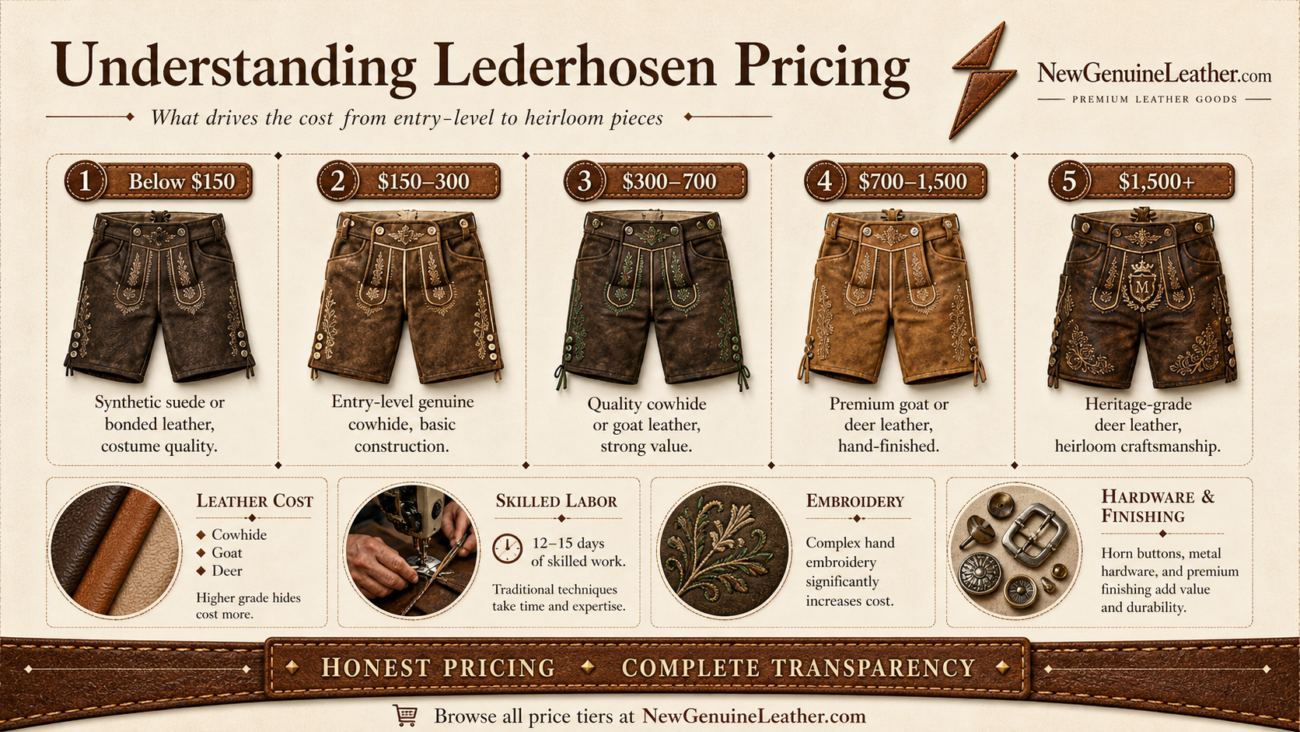
Traditional lederhosen are made from animal hide. Common leather options include cowhide, goatskin, and deerskin. Each material provides a different balance of durability, softness, flexibility, appearance, and price.

Cowhide is widely used because it is strong, durable, and suitable for repeated seasonal wear. It is a practical choice for retailers, rental businesses, costume suppliers, and wholesale collections.

Goatskin can feel lighter and more flexible. It may be selected for buyers who want comfortable leather with less weight.

Deerskin is often associated with premium traditional garments because of its soft and flexible character. However, it usually costs more and requires careful sourcing and production control.

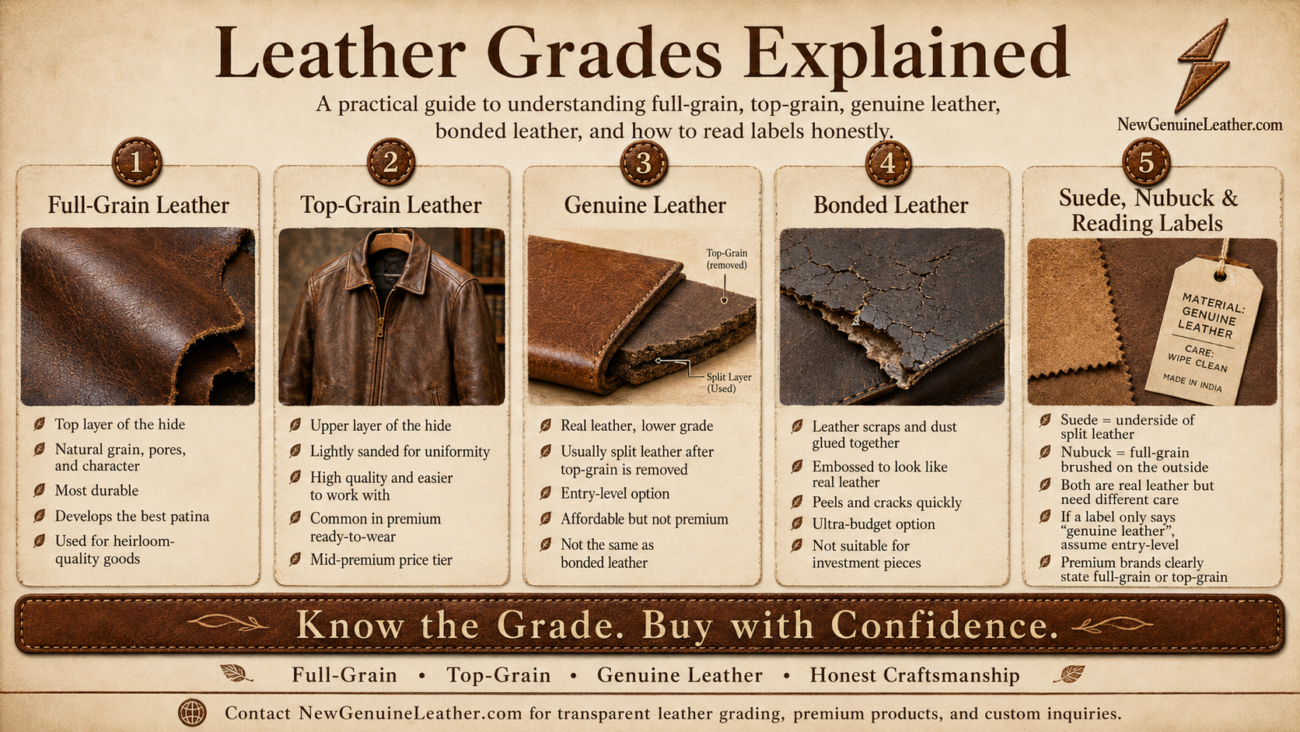
The leather finish also changes the final appearance. Smooth leather creates a cleaner and more polished look, while suede, nubuck, buffed, distressed, or antique finishes create a rustic Alpine character.

When evaluating what is quality, buyers should inspect thickness, flexibility, tanning, shade consistency, embroidery, seam strength, surface finishing, and hardware—not only the leather name.

For information about responsible leather production and environmental auditing, buyers can visit the Leather Working Group.

4. Key Features of Authentic Lederhosen

The front flap is one of the most recognizable features. It may be plain or decorated with floral, Alpine, hunting, or regionally inspired embroidery.

Suspenders may use H-back, Y-back, or crossback construction. Strong buckles and securely attached straps are essential because these areas experience repeated pressure and movement.

Many designs feature a decorated chest strap connecting the suspenders. This panel may carry embroidery, a traditional pattern, or a private-label design.

Buttons may have a horn-style, wooden, metal, or antique appearance. Their color and finish should complement the leather and embroidery.

Quality embroidery should appear dense, balanced, and firmly secured. Loose threads, uneven patterns, weak buttons, or poorly reinforced seams reduce durability and product value.

When buyers ask what is authenticity, construction matters as much as material. Genuine leather alone does not guarantee that a garment is traditionally styled or properly manufactured.

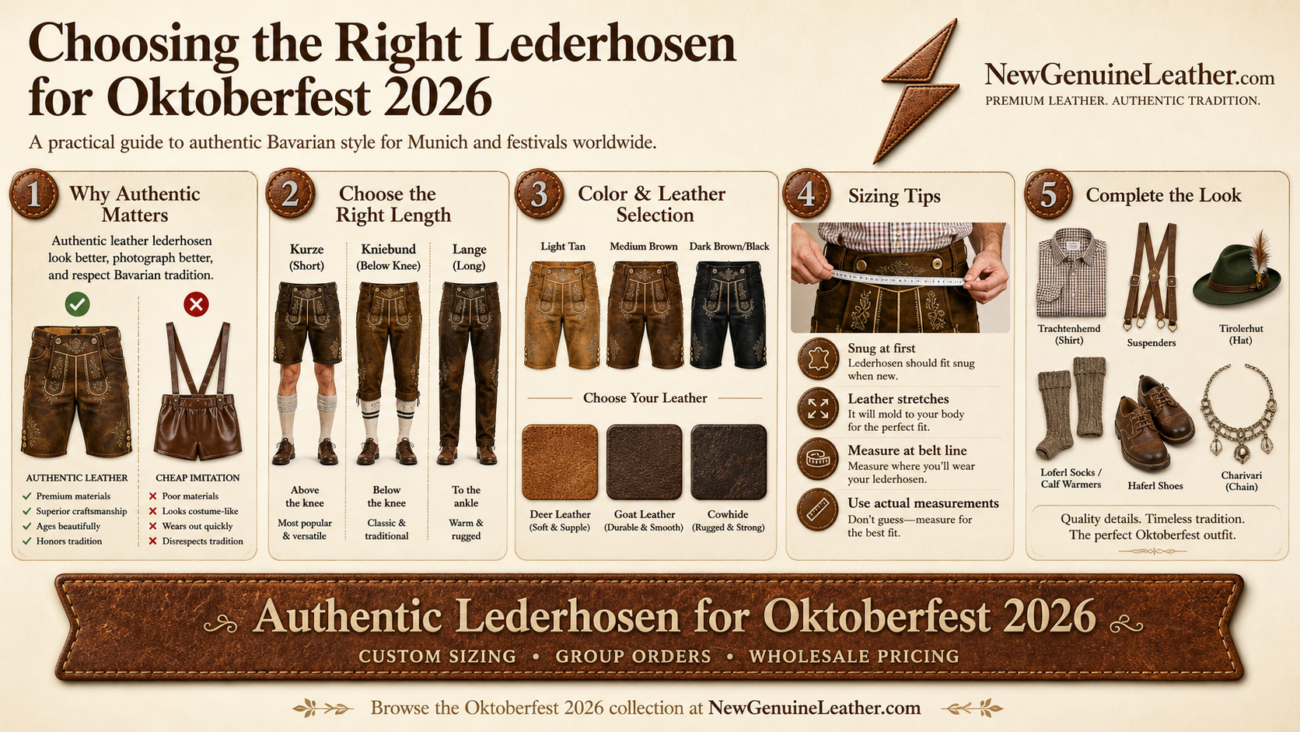
5. Three Popular Lederhosen Lengths

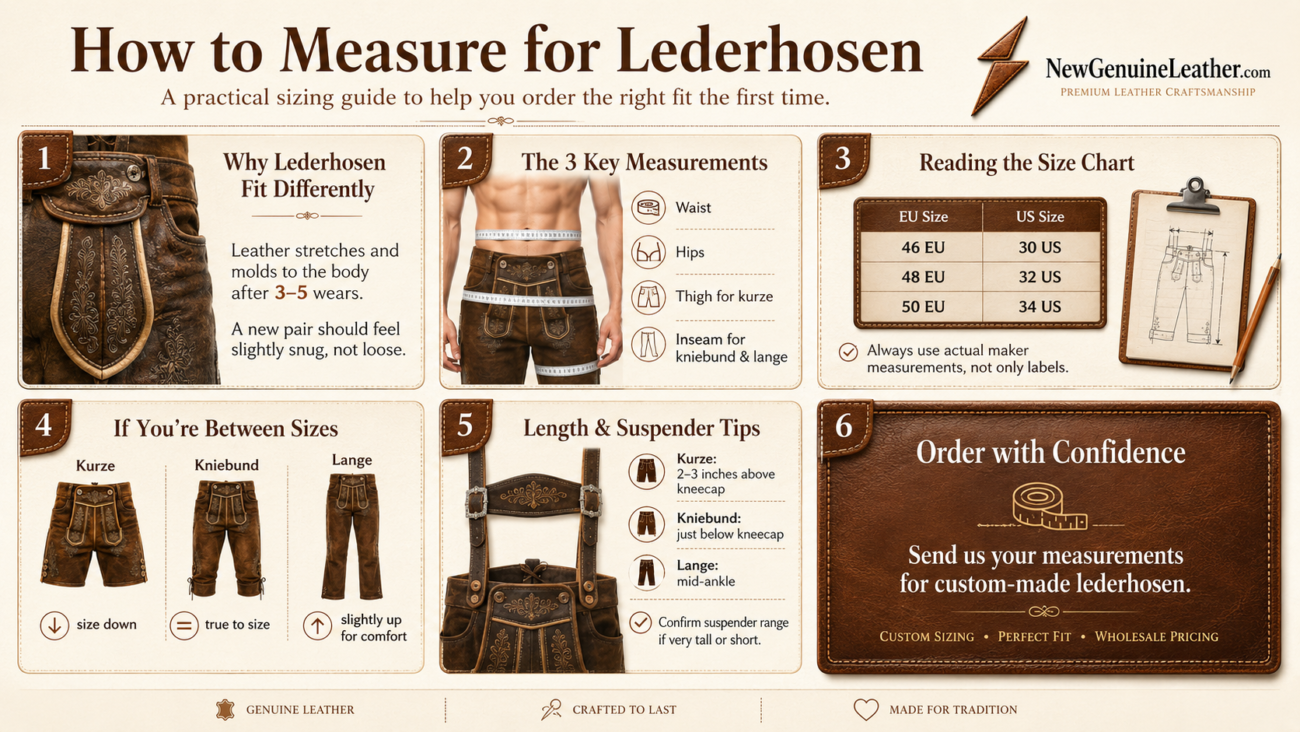
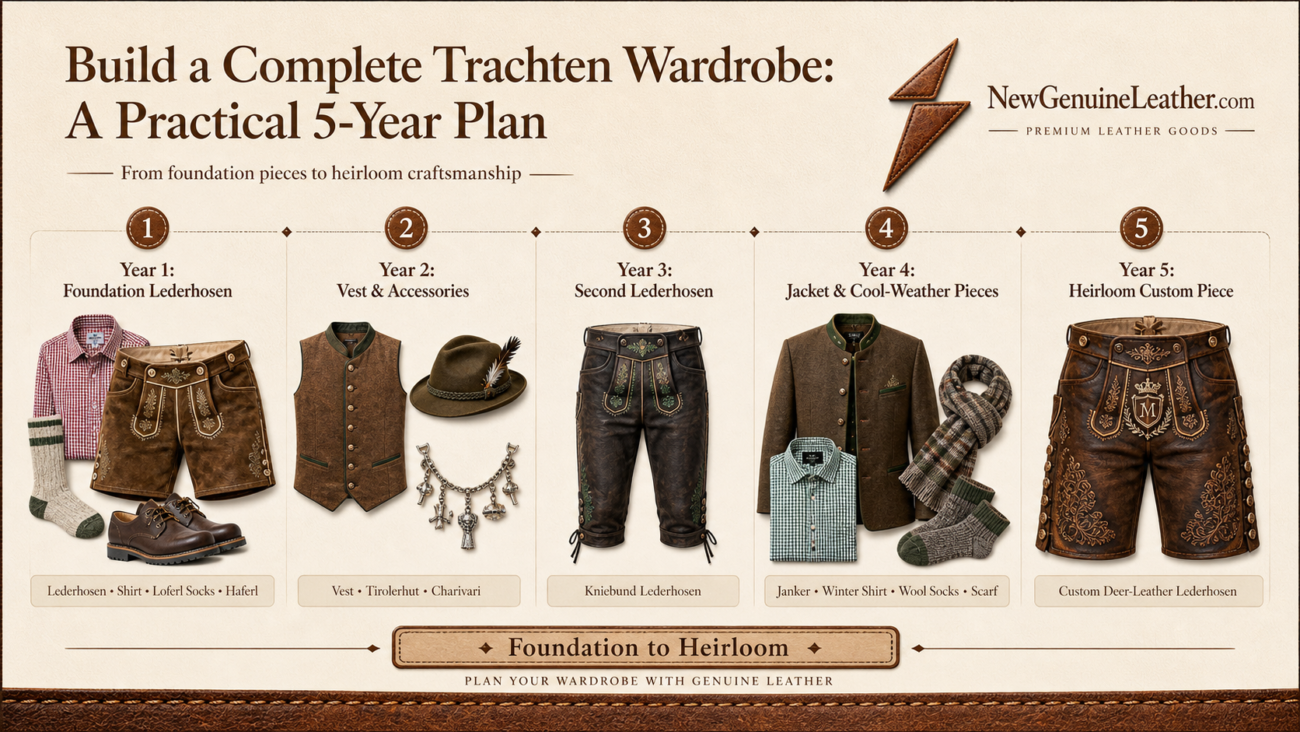
Short lederhosen finish above the knee and are among the most familiar styles. They are popular for Oktoberfest celebrations, costume retail, warm-weather events, and modern Bavarian fashion.

Knee-length offer a more formal and heritage-inspired appearance. They may include buttons, ties, or decorative fastenings below the knee.

Longer leather breeches provide additional coverage and may suit colder climates, outdoor use, cultural performances, or historically inspired collections.

Wholesale buyers should select lengths according to their target customers, climate, sales season, and styling preferences. A retailer targeting young festival customers may prefer shorter cuts, while a traditional clothing shop may require knee-length designs.

Every style should follow an approved size chart to maintain consistent proportions across the complete size range.

6. How Lederhosen Are Styled Today

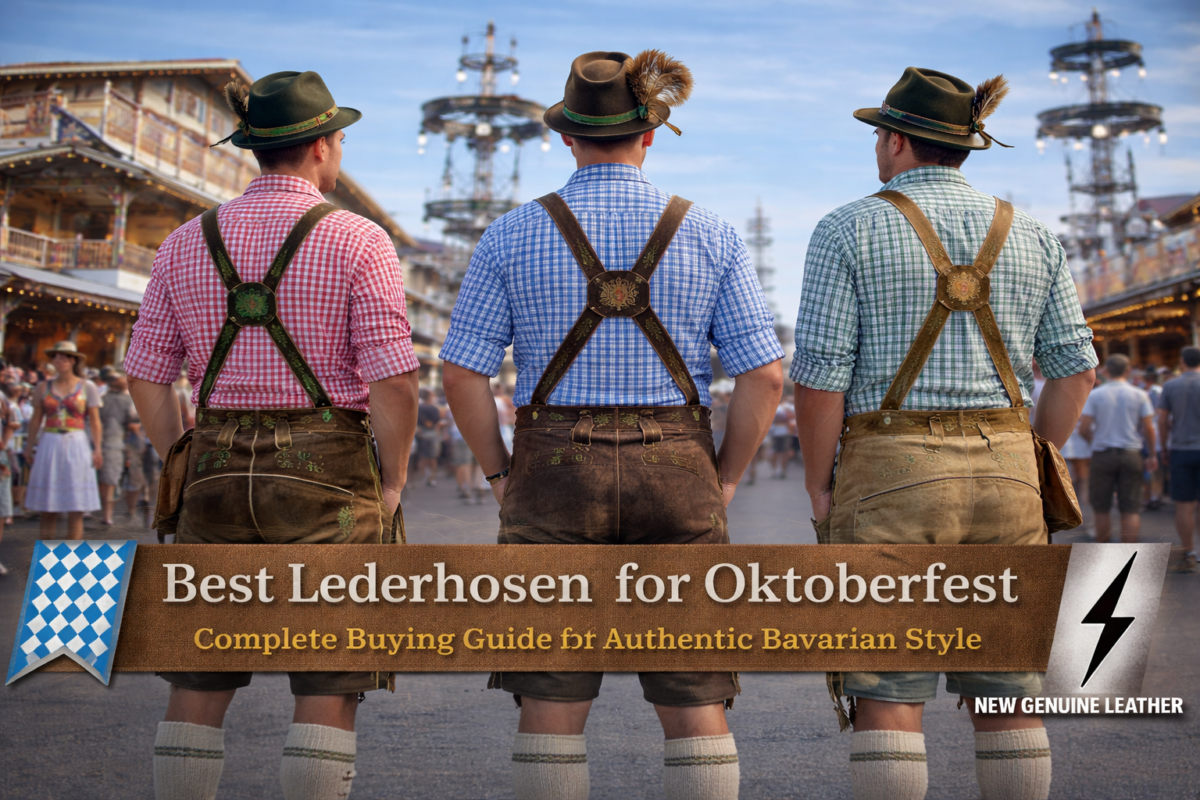
A classic outfit combines with a white or checked Bavarian shirt, knee-high socks or calf warmers, sturdy shoes, and sometimes an Alpine-style hat.

A waistcoat or traditional jacket can be added for weddings, formal celebrations, cultural events, or premium retail displays.

Modern styling may use darker leather, slimmer cuts, tonal embroidery, plain shirts, knitwear, or contemporary boots. These elements maintain the traditional shape while creating a more fashion-oriented appearance.

So, what is styling for modern retailers? It depends on the target market. Costume suppliers may prefer bold embroidery, contrasting trim, and highly recognizable Bavarian details.

Premium boutiques may choose softer leather, darker shades, limited embroidery, and cleaner hardware. Event rental companies may prioritize durability, adjustable suspenders, and easy-to-manage sizing.

Women’s lederhosen are also available in shorter lengths, fitted waistlines, decorative embroidery, and fashion colors.

7. What Is Lederhosen Customization?

Custom production allows wholesale buyers to control the leather type, color, surface finish, embroidery, pockets, suspenders, hardware, measurements, labels, and packaging.

At New Genuine Leather, color options can include tan, medium brown, dark brown, black, olive, and customer-selected shades. Buyers can also choose smooth, suede, buffed, antique, or distressed finishes.

Embroidery may feature traditional floral patterns, Alpine motifs, hunting-inspired artwork, simplified modern designs, or buyer-provided branding.

Private-label services can include woven labels, printed care labels, size labels, hangtags, barcode stickers, branded packaging, and customized carton markings.

Before bulk manufacturing, buyers should approve a physical sample. The sample should confirm:

  • Leather texture and color
  • Garment measurements
  • Embroidery density
  • Button and buckle quality
  • Suspender length
  • Pocket construction
  • Overall comfort and fit

Our usual wholesale minimum order quantity is 50 pieces, depending on the design, leather selection, color breakdown, and required size ratio.

How to Identify Well-Made Lederhosen

A good pair should feel substantial without being excessively stiff. The leather should bend naturally, and the major garment panels should have a consistent shade and texture.

Inspect the waistband, crotch, pocket openings, side seams, and suspender attachments. These high-stress areas should feature clean, reinforced stitching.

Embroidery should be even and securely finished. Buttons and buckles should be properly aligned, durable, and easy to operate.

The wearer should be able to sit, walk, and bend comfortably. Poorly positioned suspenders, an overly tight rise, or weak seams can make an attractive garment difficult to wear.

For buyers asking what is value, durability provides the clearest answer. A well-made product can serve retailers, event suppliers, and rental companies for several seasons.

How to Care for Genuine Leather.

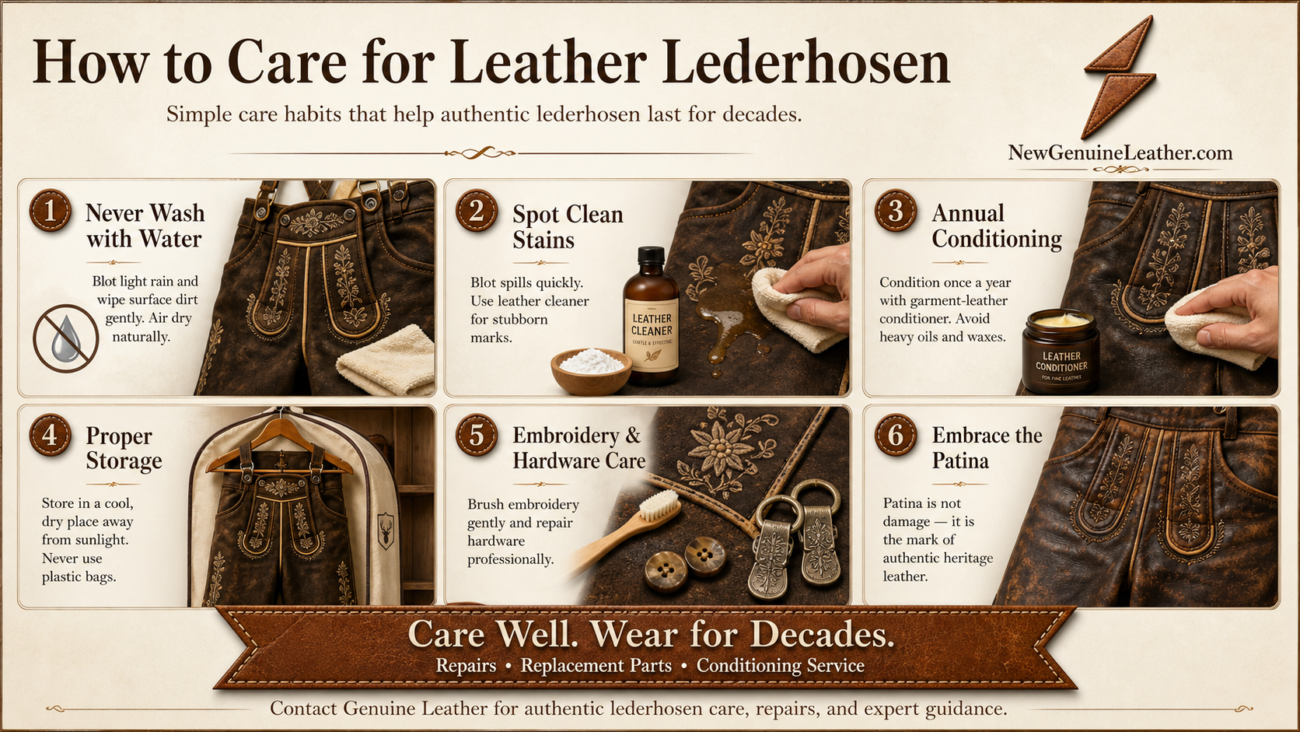
After use, wipe the leather surface with a soft, dry cloth and allow the garment to air naturally. Do not store it while damp or place it close to direct heat.

Use a care product made for the specific leather finish. Smooth leather, suede, nubuck, and distressed leather require different treatments, so test any product on a hidden area first.

Do not machine wash genuine leather . Deep stains should be handled by a professional leather cleaner who understands traditional leather garments.

Store on a padded hanger or place them flat inside a breathable garment bag. Avoid sealed plastic storage because trapped moisture can create odor, mildew, or surface damage.

What Is Lederhosen for Wholesale Buyers?

For wholesale buyers, represent a recognizable seasonal product category with demand across Europe, North America, Australia, and other markets hosting Oktoberfest or Bavarian-themed events.

Successful sourcing depends on accurate sizing, consistent embroidery, dependable hardware, leather color matching, sample approval, and clear production communication.

Retailers should place seasonal orders early because embroidery, leather sourcing, cutting, and sample approval can require longer lead times than basic fabric garments.

New Genuine Leather (NGL) supports importers, retailers, costume suppliers, rental businesses, and private-label brands with OEM development, custom sizing, embroidery, labeling, packaging, and export preparation.

Our manufacturing base in Sialkot, Pakistan, combines leatherworking experience with flexible product development for international wholesale markets.

Explore New Genuine Leather or browse our men’s collection.

Frequently Asked Questions

What is lederhosen traditionally used for?

Lederhosen began as practical Alpine workwear. Today, they are worn at Oktoberfest celebrations, weddings, festivals, cultural performances, hospitality venues, and tourism events.

Are lederhosen always made from genuine leather?

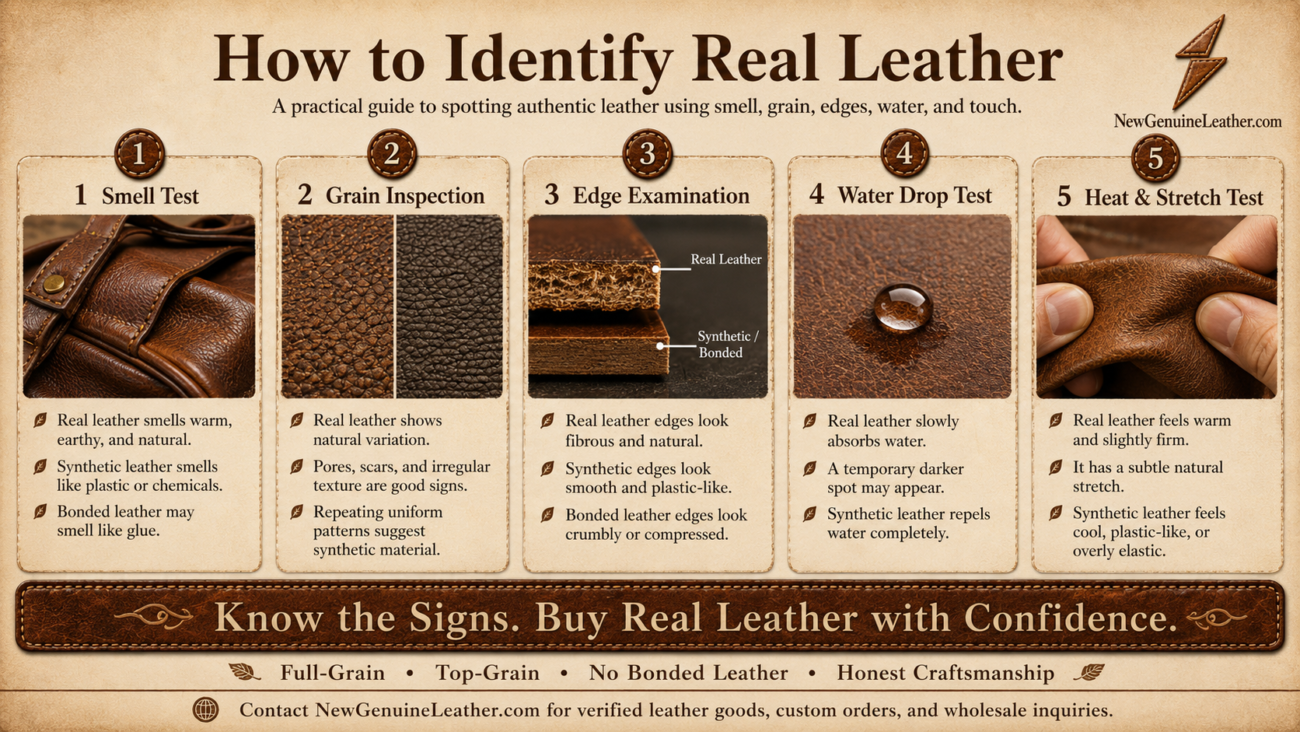
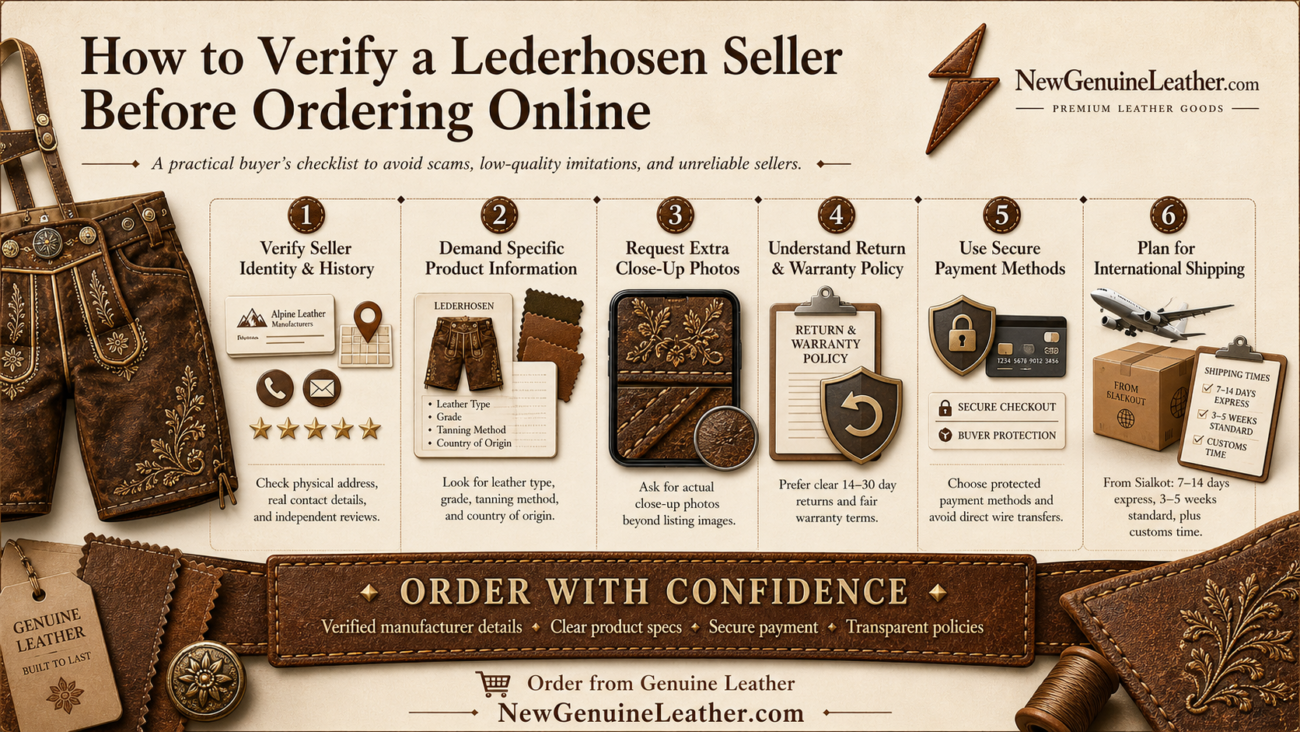
Traditional versions are made from genuine leather, but inexpensive costume products may use PU or other synthetic materials. Buyers should check the product label and confirm the material with the supplier.

Can be private-labeled?

Yes. OEM production can include custom embroidery, branded labels, buyer-specific sizing, hangtags, packaging, and selected leather finishes.

Final Thoughts

What is lederhosen? It is more than a pair of leather shorts. It is a traditional Alpine garment shaped by practical construction, cultural identity, leather craftsmanship, and regional styling.

Its continued popularity comes from its ability to remain recognizable while adapting to festivals, tourism, modern fashion, rental use, and international retail.

New Genuine Leather manufactures custom for wholesale, OEM, and private-label buyers worldwide. We support clients from material selection and sample development through embroidery, labeling, packaging, and export production.

Contact New Genuine Leather

Website: New Genuine Leather
Instagram: Follow New Genuine Leather
WhatsApp: Discuss Your Wholesale Order

author-avatar

About New Geniune Leather

New Genuine Leather manufactures leather jackets, gloves, and lederhosen from raw hide to finished product at our workshop in Sialkot, Pakistan — a city with a century-long tradition in leather manufacturing. Our team writes about leather grading, tanning, and craftsmanship based on our own production process, working directly with hides from splitting through finishing. We supply wholesale and private-label buyers across Europe, North America, and Australia.

Leave a Reply

Your email address will not be published. Required fields are marked *