
The Art of Leather Manufacturing: How Authentic Lederhosen Are Crafted to Last a Lifetime

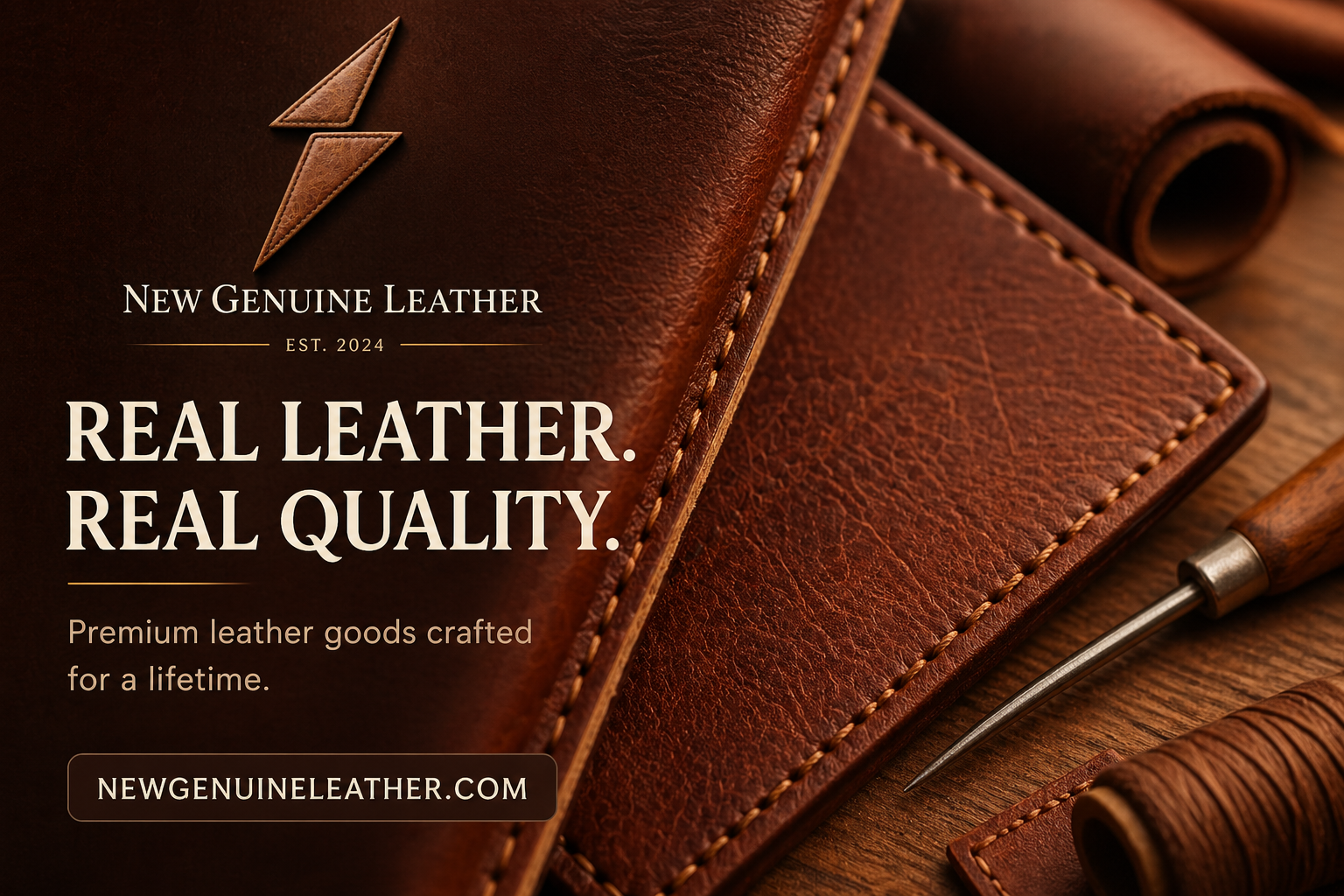
Few garments carry the heritage, durability, and unmistakable character of authentic leather lederhosen. Born in the Bavarian Alps more than three centuries ago, lederhosen have evolved from rugged workwear worn by farmers and hunters into one of the most recognizable cultural garments in the world. Yet behind every genuine pair lies something most buyers never see: a meticulous manufacturing process where the quality of the leather, the precision of the stitching, and the skill of the artisan determine whether your lederhosen last a season or a lifetime.
At Genuine Leather, our master craftsmen in Sialkot — one of the world’s most respected leather-working regions — combine generations of traditional skill with modern quality control to produce lederhosen worthy of the heritage they represent. Whether you are a wholesale buyer sourcing for your store, an Oktoberfest enthusiast preparing for the festival, or simply someone who appreciates traditional craftsmanship, this guide walks you through every stage of the process — from hide selection to final finishing — and explains what separates authentic, handcrafted lederhosen from mass-produced imitations.
A Brief History of Lederhosen and Leather Craftsmanship
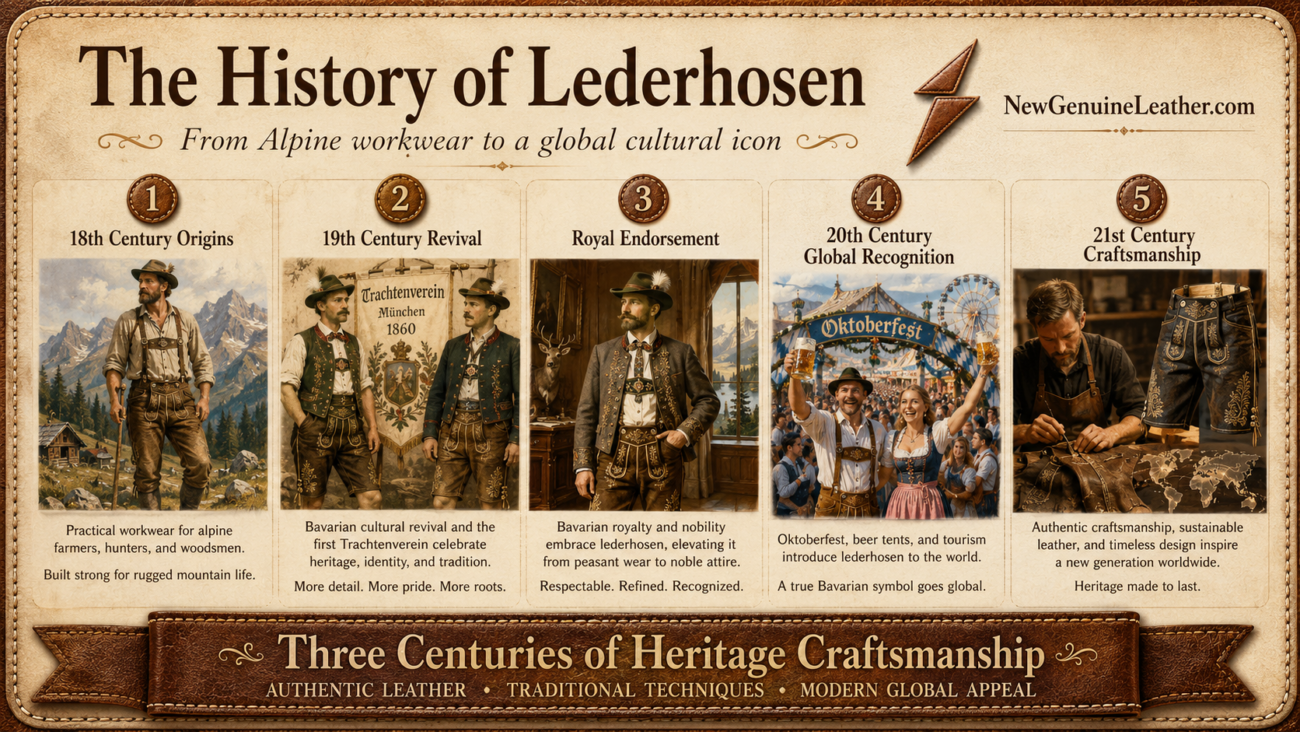
The word lederhosen literally translates to “leather breeches” in German. Originating in the 18th century in the alpine regions of Bavaria, Tyrol, and Austria, they were designed for working men who needed clothing tough enough to withstand farm labor, hunting, and harsh mountain weather. Cotton and wool simply could not match the durability, flexibility, and weather resistance of well-tanned leather.
Over the centuries, lederhosen transitioned from purely functional workwear into a symbol of regional pride and Bavarian identity. Today, they are worn at Oktoberfest, weddings, folk festivals, and cultural celebrations around the world. But while the styling has been refined and decorative embroidery has been added, the core manufacturing principles remain rooted in centuries-old leather craftsmanship — the same principles we honor in every pair we produce.
Why Leather Quality Defines a Genuine Pair of Lederhosen
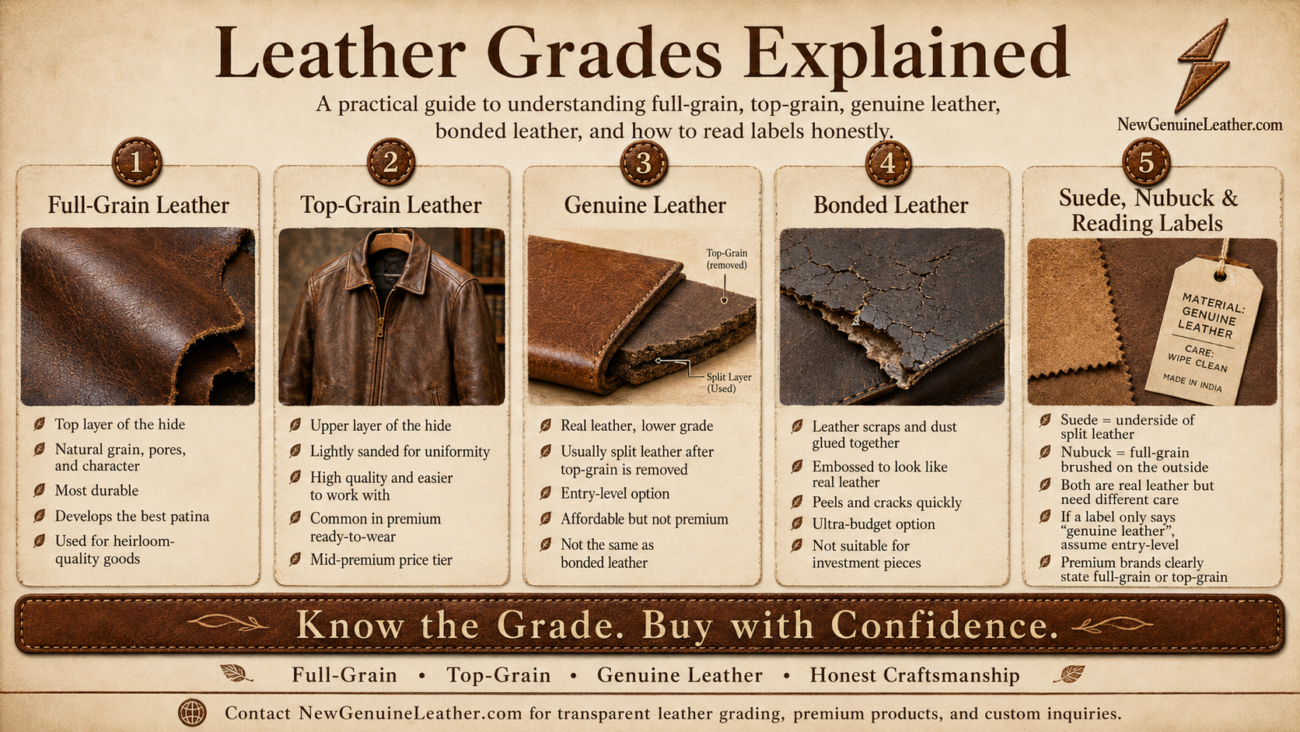
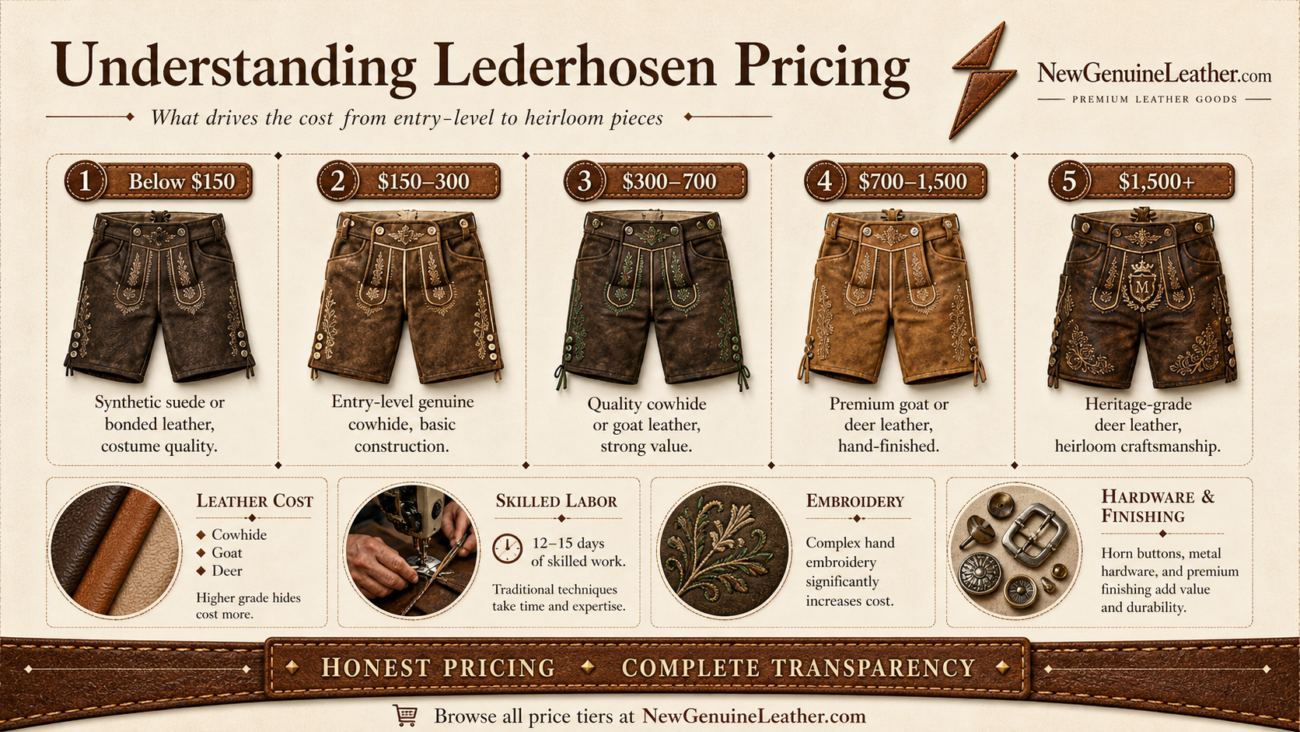
Not all leather is created equal. The single most important factor in lederhosen manufacturing is the type and grade of leather used. Authentic, premium lederhosen are made from one of three traditional hides, each with distinct characteristics.
1. Deer Leather (Hirschleder)
Considered the gold standard, deer leather is prized for its softness, breathability, and unique grain pattern. It molds to the wearer over time, becoming more comfortable with each wear. Deer leather lederhosen are typically the most expensive and are favored for formal occasions and lifetime heirloom pieces.
2. Goat Leather (Ziegenleder)
Goat leather offers an excellent balance of durability and affordability. It is lighter than cowhide but more structured than deer leather, making it a popular choice for mid-range lederhosen. Its natural grain is fine and uniform, which holds embroidery beautifully.
3. Cowhide (Rindsleder)
Cowhide is the most accessible option, offering robust durability at a lower price point. While it lacks the buttery softness of deer leather, properly tanned cowhide can last for decades and is well-suited for everyday wear, costume use, and entry-level lederhosen.
Pro tip for buyers: Always ask the manufacturer to specify the exact hide and tanning method. Reputable producers like Genuine Leather use vegetable tanning or chrome-free tanning processes that preserve the leather’s natural breathability — a crucial detail when you are wearing your lederhosen for hours at a festival.
The Leather Manufacturing Process: From Hide to Heirloom
Genuine lederhosen manufacturing is a multi-stage process that combines traditional handcrafting with modern quality control. Here is how a premium pair comes to life in our Sialkot workshop.
Stage 1: Hide Selection and Inspection
Every pair begins with sourcing. Skilled buyers select hides based on grain consistency, thickness, and the absence of scars or insect bites. Only the best portions of each hide are used for the front and back panels of the lederhosen, while smaller cuts are reserved for straps, pockets, and accent pieces.
Stage 2: Tanning and Conditioning
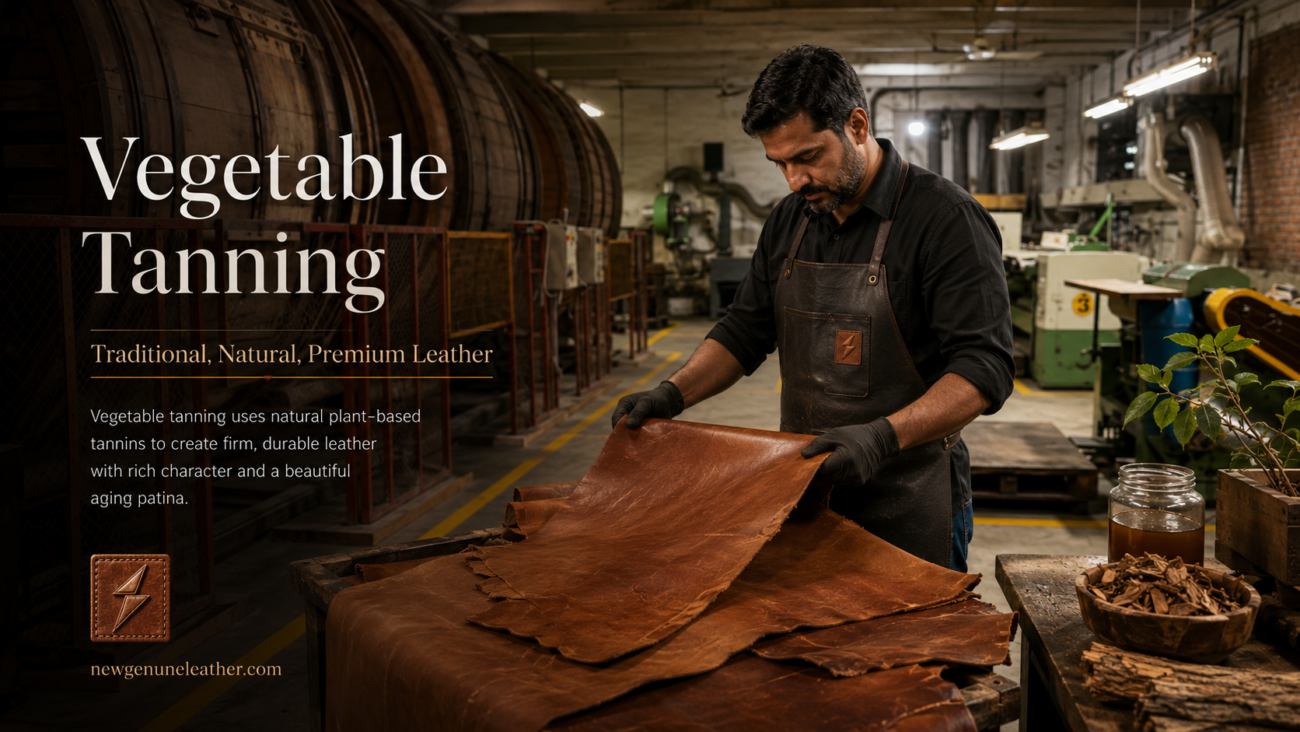
Raw hides are transformed into supple, wearable leather through tanning. Traditional vegetable tanning, which uses natural plant tannins from oak or chestnut bark, can take several weeks but produces leather with rich color depth and superior aging characteristics. After tanning, the leather is conditioned with natural oils to enhance suppleness and water resistance.
Stage 3: Pattern Cutting
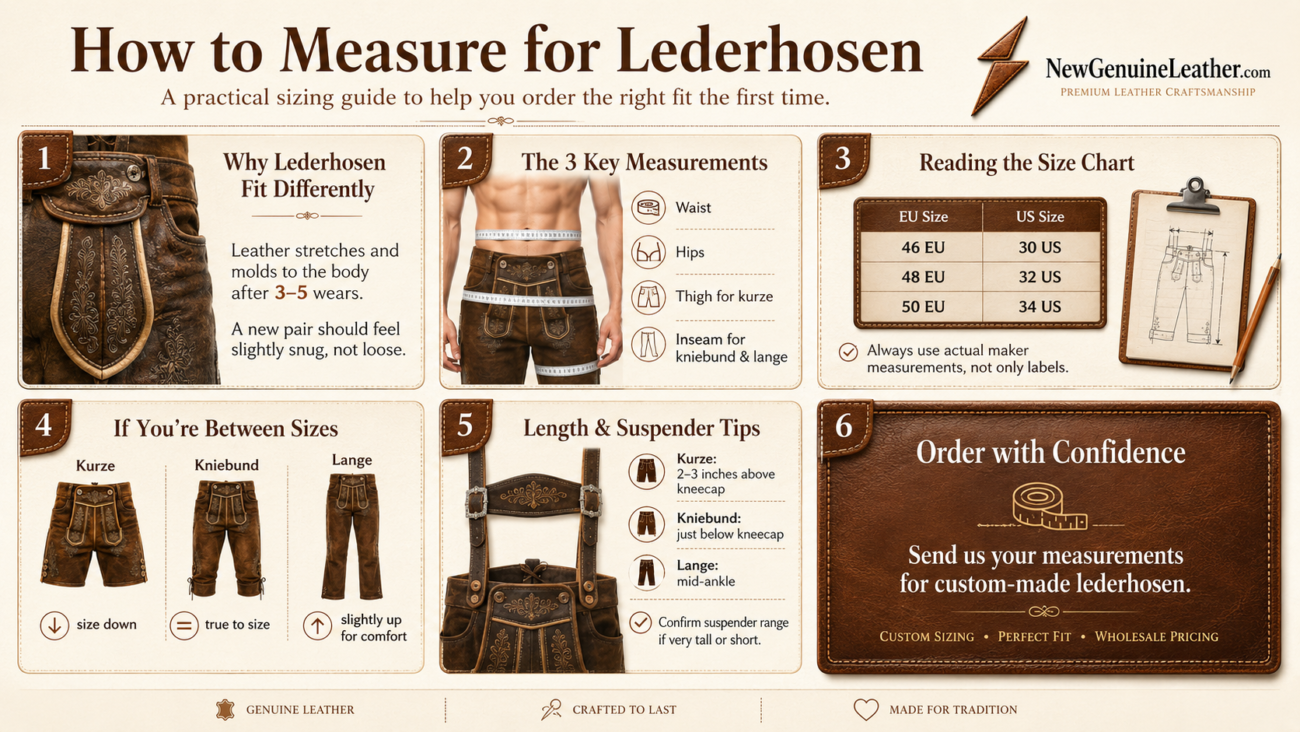
Master cutters lay out paper or digital patterns on the tanned hide and cut each piece by hand or with precision dies. This stage is critical — a single misaligned cut can waste meters of expensive leather. Sizing must account for the natural stretch of the hide and the wearer’s measurements.
Stage 4: Stitching and Construction
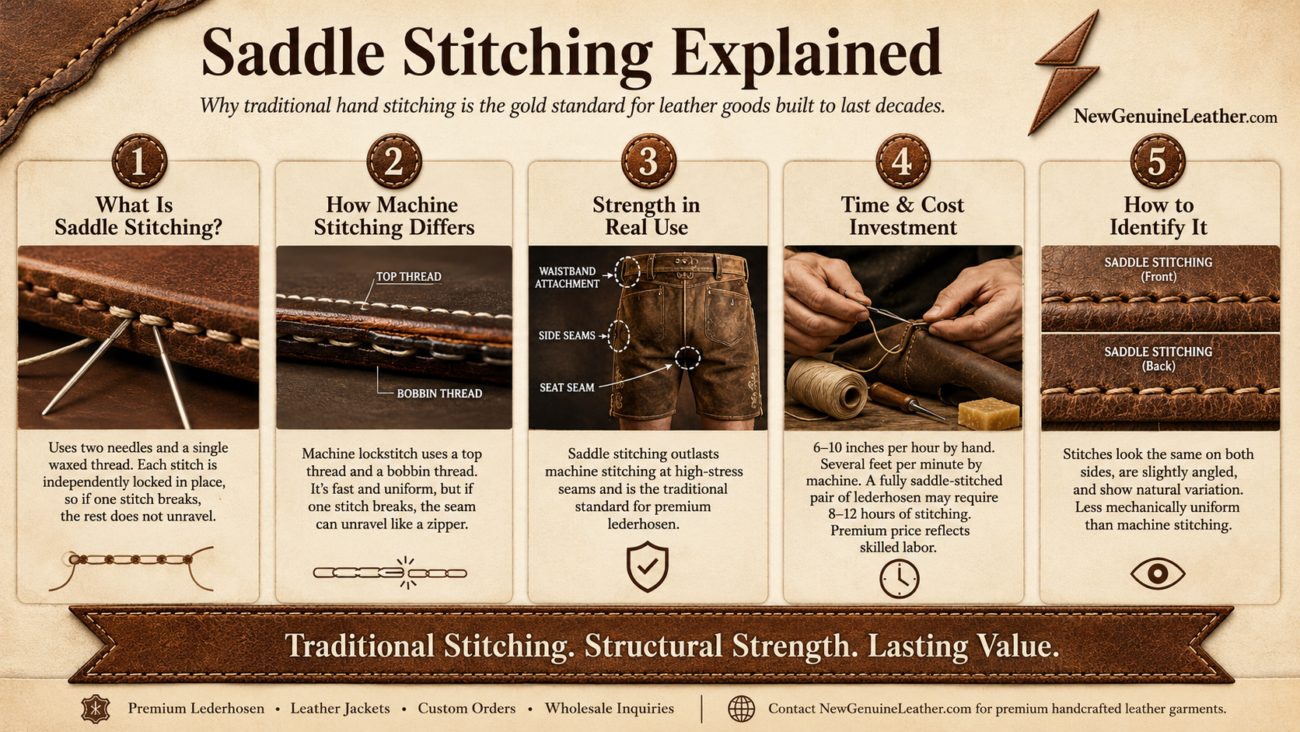
Authentic lederhosen are stitched with heavy-duty waxed thread, often using a saddle-stitch technique that produces seams stronger than machine lockstitching. A skilled artisan may spend 8 to 12 hours assembling a single pair, ensuring every seam aligns and every reinforcement point holds.
Stage 5: Embroidery and Decoration
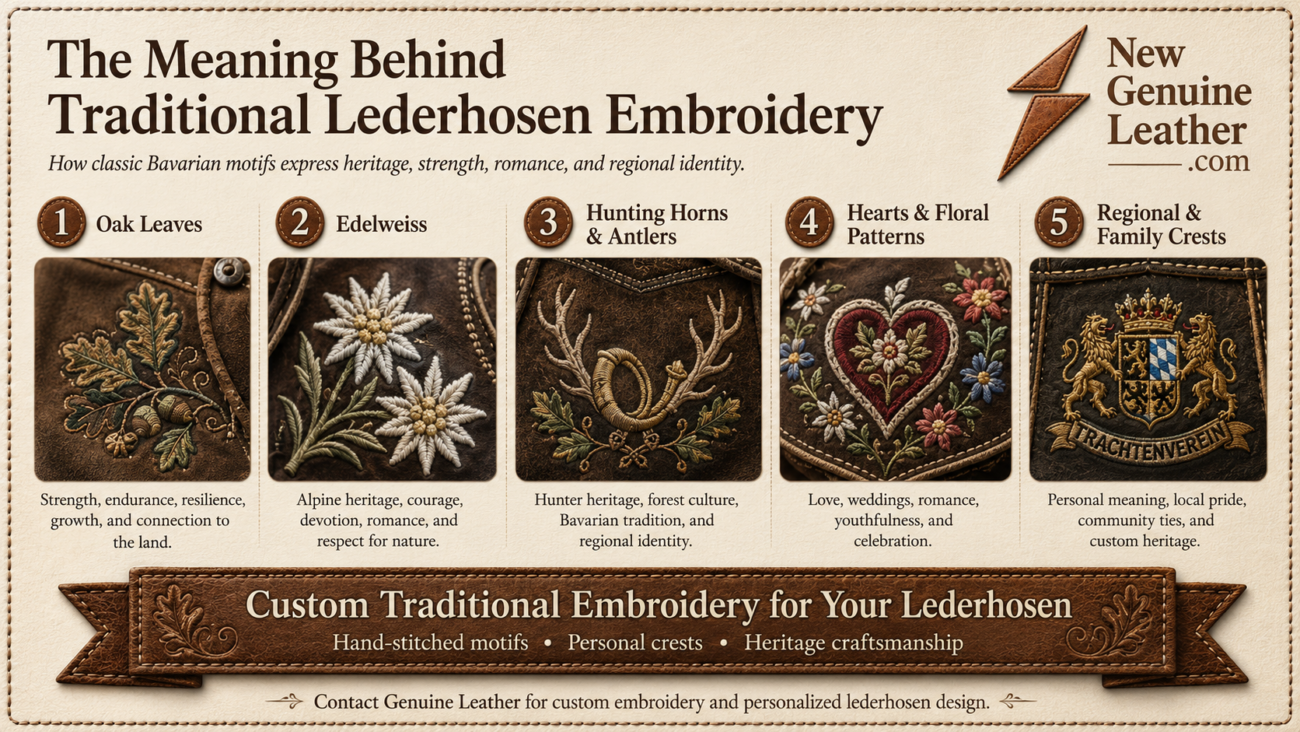
This is where lederhosen earn their cultural identity. Traditional motifs — oak leaves, edelweiss flowers, hunting horns, and regional crests — are hand-embroidered or applied with high-precision machine embroidery using colored silk or cotton thread. The front flap (Hosenlatz) and side seams are typical canvases for this artistry.
Stage 6: Hardware, Buttons, and Suspenders
Genuine horn buttons, antler details, and metal hardware are added next. Suspenders (Hosenträger) are crafted from matching leather and often feature an embroidered chest piece. Every component is checked for alignment and secure attachment.
Stage 7: Final Finishing and Quality Control
Each pair is polished, conditioned, and inspected against a strict quality checklist. Stitch density, embroidery alignment, hardware function, and leather finish are all verified before the lederhosen are folded, tagged, and prepared for shipment to customers worldwide.
How to Identify Authentic, High-Quality Lederhosen
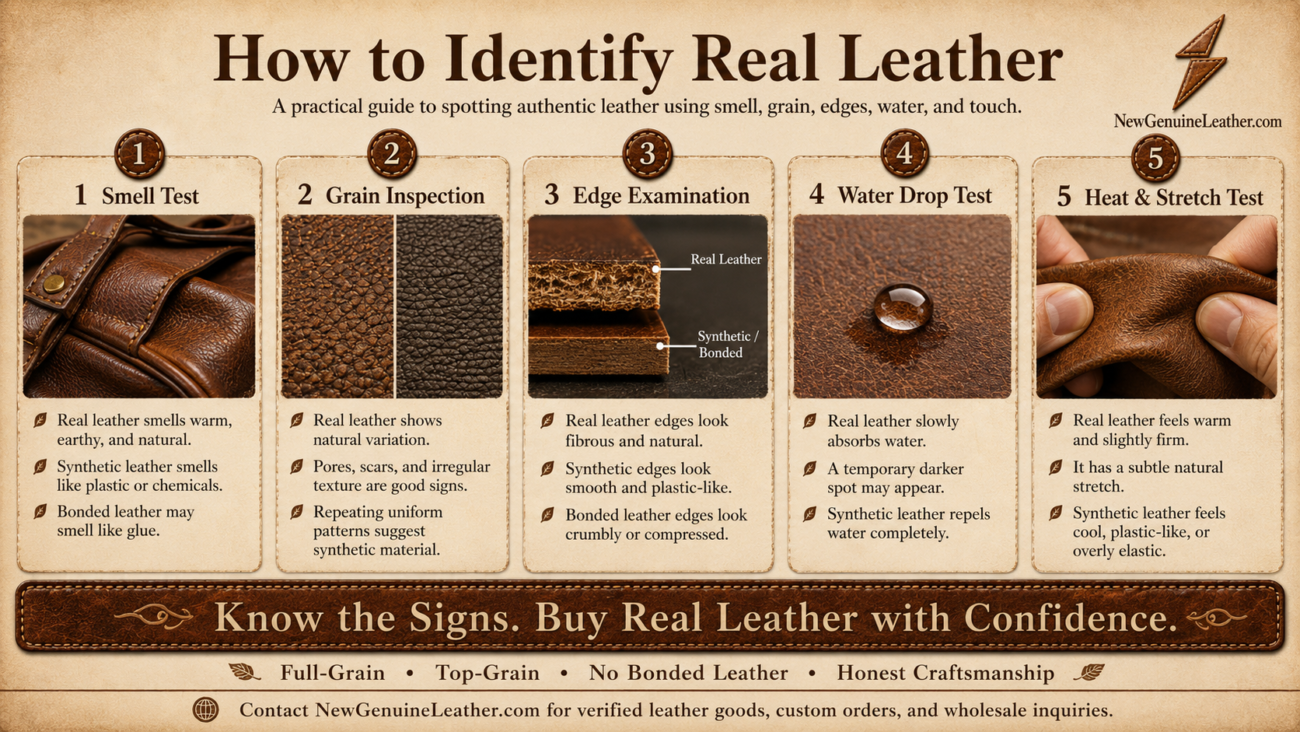
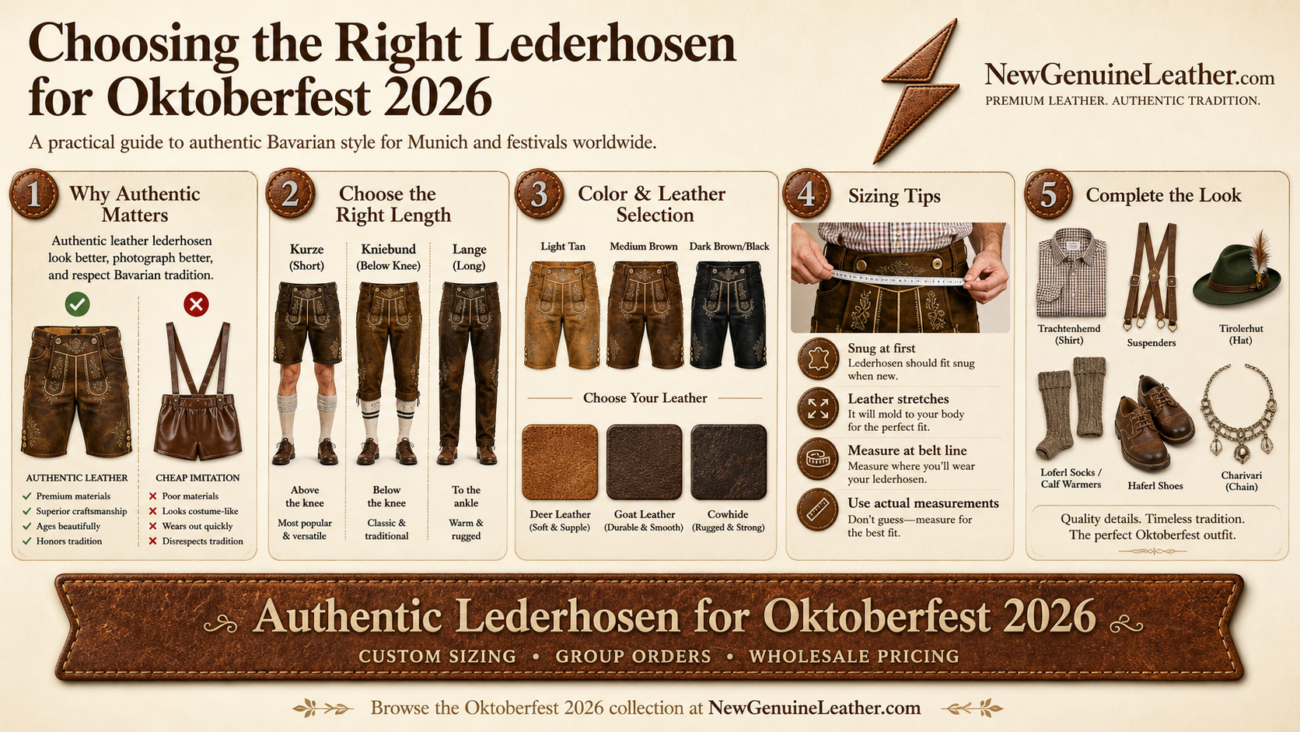
With the global popularity of Oktoberfest and Bavarian fashion, the market is flooded with low-cost imitations made from synthetic suede or bonded leather. Here is what to look for when sourcing genuine lederhosen.
- Smell the leather. Real leather has a warm, earthy aroma. Synthetic alternatives smell of plastic or chemicals.
- Inspect the grain. Genuine leather has natural variation; faux leather looks uniform and embossed.
- Check the stitching. Saddle stitching with thick waxed thread is a hallmark of authentic craftsmanship.
- Look at the embroidery. Hand-finished embroidery has slight, beautiful imperfections. Machine-printed designs are flat and lifeless.
- Verify the hardware. Real horn or antler buttons feel cool and have natural color variation. Plastic substitutes feel light and look identical.
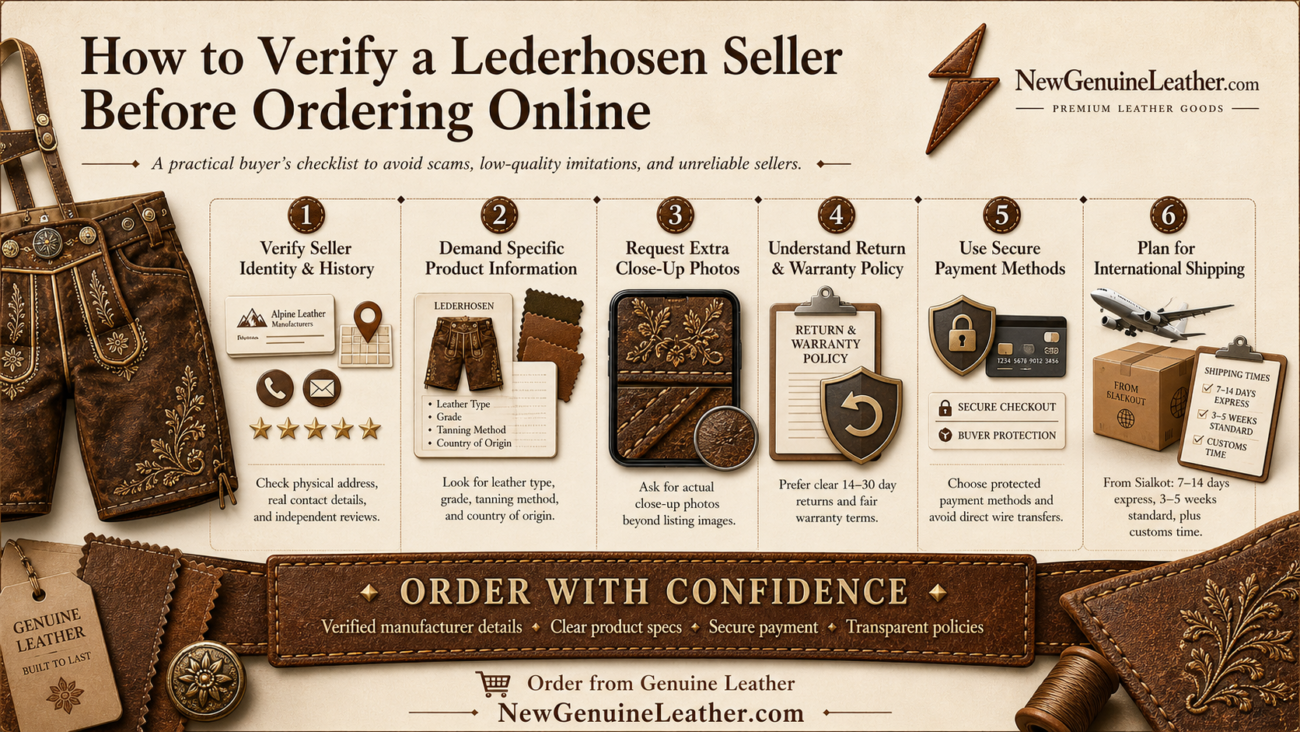
- Ask about origin. Reputable manufacturers will gladly share details about their hides, tanning process, and country of production.
Why Choose a Specialized Leather Lederhosen Manufacturer
Working directly with a dedicated leather lederhosen manufacturer offers significant advantages over buying from costume retailers or generic apparel brands. A specialist manufacturer brings deep expertise in hide selection, traditional construction, and Bavarian styling — expertise that simply cannot be replicated by general clothing producers.
- Custom sizing and bulk orders: Manufacturers can produce wholesale quantities for retailers, event organizers, and dance groups, with consistent sizing across the entire run.
- Customization options: Choose your leather type, color, embroidery design, button style, and even add personalized touches like monograms or company logos.
- Direct pricing: Buying directly from the manufacturer eliminates middlemen, giving you better pricing without sacrificing quality.
- Quality guarantees: Established manufacturers stand behind their craftsmanship with warranties and after-sale support including repairs and conditioning.
Caring for Your Leather Lederhosen
A well-made pair of lederhosen can last 20, 30, or even 50 years with proper care. Unlike most clothing, leather actually improves with age, developing a unique patina that reflects the journeys of its wearer. Follow these care principles to extend the life of your investment.
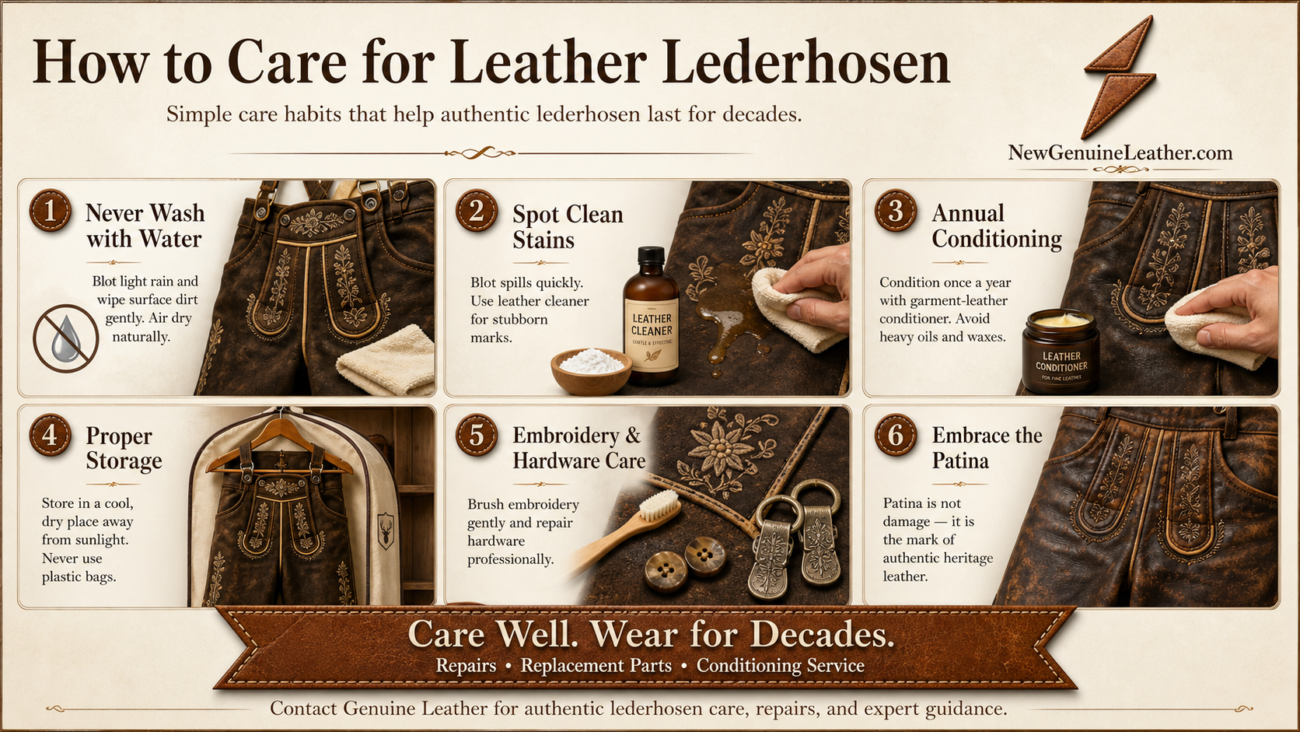
- Do not wash with water or detergent. Wipe clean with a slightly damp cloth and allow to air dry away from direct heat.
- Condition annually. Use a leather conditioner formulated for garment leather to restore moisture and suppleness.
- Store properly. Hang in a breathable garment bag in a cool, dry place. Avoid plastic bags that trap moisture.
- Treat stains promptly. Blot spills immediately and consult a leather specialist for stubborn marks rather than attempting harsh cleaning at home.
- Embrace the patina. Small scuffs and color shifts are part of the character of genuine leather — they are signs of authenticity, not damage.
Final Thoughts: Investing in Heritage Craftsmanship
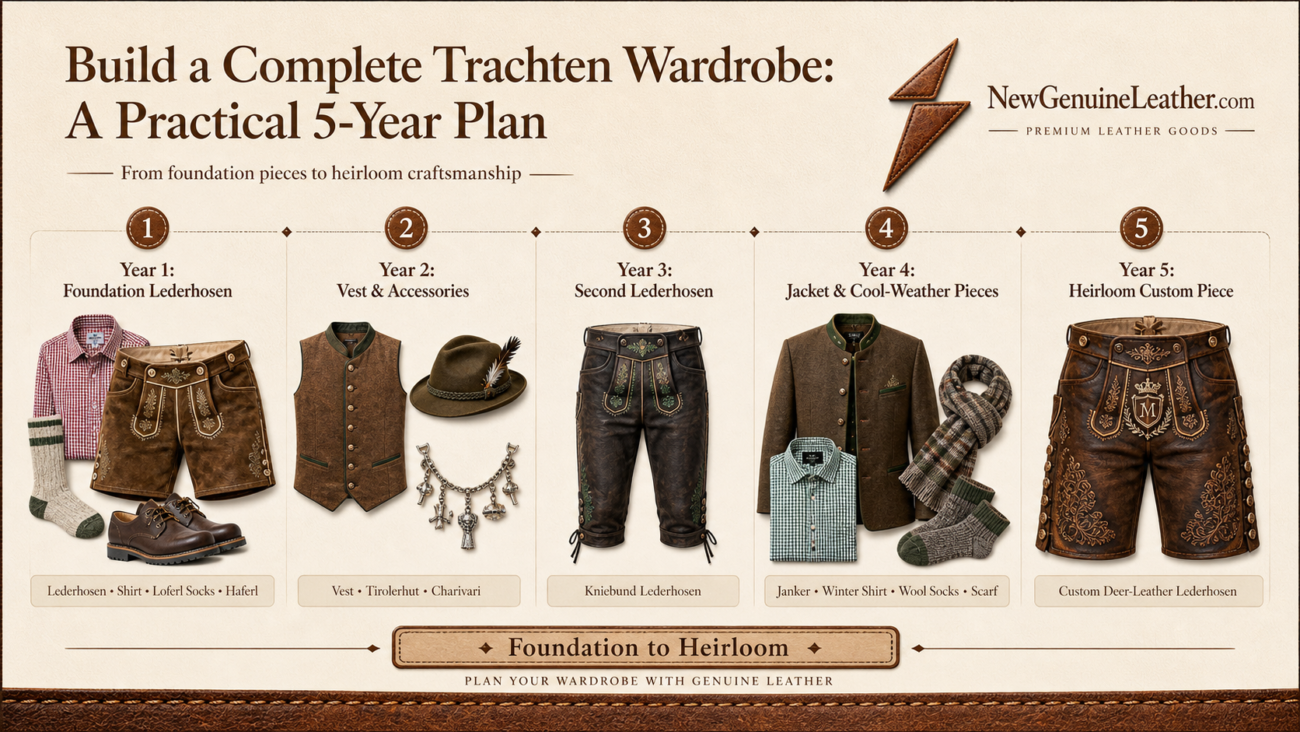
Authentic leather lederhosen are more than a costume — they are a wearable piece of European heritage, hand-built by craftspeople who have inherited centuries of leatherworking knowledge. When you purchase from a dedicated leather manufacturer, you are not just buying a garment. You are investing in a piece of cultural artistry that will outlast trends, accompany you to celebrations for decades, and quite possibly be passed down to the next generation.
As demand for authentic Bavarian fashion continues to grow worldwide, the difference between a forgettable pair and an heirloom piece comes down to one thing: the manufacturer behind it. Choose carefully, ask the right questions, and prioritize true leather craftsmanship. Your lederhosen will reward you with a lifetime of comfort, character, and timeless style.
Ready to Order Authentic Handcrafted Lederhosen?
Whether you are a retailer looking for a reliable wholesale partner or an individual searching for a one-of-a-kind handcrafted pair, the master leather artisans at Genuine Leather are ready to bring your vision to life. Explore our collection or contact our team for custom orders, bulk pricing, and personalized embroidery options.