

New Genuine Leather: 7 Powerful Reasons to Choose Us

Introduction New Genuine Leather
Leather finishing is one of the final and most important stages in leather production. After soaking, fleshing, liming, tanning, shaving, dyeing, fatliquoring, drying, softening, and buffing, the leather still needs its final surface appearance and protection. This is where the finishing process gives leather its final color effect, shine, texture, touch, protection, and commercial look.
Different finishing types create different leather personalities. Some finishes keep the leather natural and breathable, while others add more protection, shine, texture, or decorative effects. The right finish depends on the final product, such as jackets, bags, shoes, belts, wallets, upholstery, gloves, fashion items, or luxury accessories.
At newgenuneleather.com, we believe that understanding leather finishes helps customers choose the right leather product with better confidence. The finish affects how leather looks, feels, ages, and performs in daily use.
What Is Leather Finishing?
Leather finishing is the process of treating the surface of leather to improve its appearance, feel, durability, and protection. Finishing may include dyes, pigments, waxes, oils, coatings, embossing, polishing, printing, or special surface treatments.
In simple words, finishing gives leather its final look and surface character.
A leather finish can make the surface natural, matte, glossy, textured, soft, velvety, metallic, printed, protected, or vintage-looking. It also helps improve resistance to scratches, stains, water, sunlight, and regular wear depending on the type of finish used.
Why Are Leather Finishes Important?
Leather finishes are important because they decide the final appearance and performance of the leather. Two pieces of leather may come from similar hides but look completely different because of finishing.
A good finish can:
Improve appearance: Adds color, shine, texture, or special effects.
Protect the surface: Helps resist stains, scratches, and moisture.
Improve touch: Creates soft, smooth, waxy, velvety, or polished feel.
Hide minor defects: Corrects or covers natural marks and surface imperfections.
Create product identity: Makes leather suitable for fashion, luxury, outdoor, formal, or casual products.
Increase durability: Helps leather perform better in daily use.
The finish must be selected carefully because every leather product needs a different balance of beauty, protection, softness, and natural character.
1. Aniline Finish
Aniline finish is one of the most natural leather finishes. It uses transparent dyes that allow the natural grain, pores, marks, and character of the hide to remain visible. This finish does not heavily cover the leather surface.
Aniline leather is valued for its soft touch, natural beauty, and premium appearance. Because it shows the real character of the hide, only high-quality hides are usually suitable for aniline finishing.
However, aniline leather has less surface protection compared with pigmented or coated leather. It can absorb moisture, oils, and stains more easily. It may also develop a natural patina over time.
Best for: Luxury bags, high-end upholstery, premium jackets, wallets, and natural leather goods.
Main qualities: Natural, soft, breathable, premium, less protected.
2. Semi-Aniline Finish
Semi-aniline finish is a balance between natural appearance and added protection. It uses transparent or lightly pigmented finishes that allow some natural grain to show while improving resistance to wear, stains, and fading.
Semi-aniline leather looks natural but is more practical than pure aniline leather. It is often chosen when customers want a premium leather look with better durability.
This finish keeps much of the leather’s natural beauty while adding a light protective layer.
Best for: Sofas, chairs, bags, shoes, jackets, and premium accessories.
Main qualities: Natural-looking, soft, more protected than aniline, practical.
3. Pigmented Finish
Pigmented finish is one of the most common leather finishes. It uses pigment coatings to create a uniform color and cover surface imperfections. This finish gives leather better resistance to stains, scratches, sunlight, and daily wear.
Pigmented leather may not show as much natural grain as aniline leather, but it is more durable and easier to maintain. It is widely used in products where consistency and protection are important.
Because of its strong surface protection, pigmented leather is suitable for heavy-use products.
Best for: Car seats, furniture, shoes, bags, belts, and commercial leather goods.
Main qualities: Uniform color, strong protection, durable, easy to maintain.
4. Corrected Grain Finish
Corrected grain finish is used when the natural grain surface has defects, scars, or uneven marks. The leather surface is buffed or sanded to reduce imperfections, then finished with pigment, coating, or embossing to create a more uniform appearance.
Corrected grain leather can be made smooth, textured, matte, or glossy depending on the final finish. It is useful for making leather more consistent and suitable for commercial products.
This finish helps increase usable leather area while creating an attractive final surface.
Best for: Shoes, bags, belts, furniture, wallets, and everyday leather goods.
Main qualities: Uniform, practical, defect-corrected, durable.
5. Nubuck Finish
Nubuck finish is created by lightly buffing the grain side of leather. This creates a fine, soft, velvety surface with a premium matte appearance. Nubuck feels smooth and luxurious but still comes from the outer grain side of the hide.
Nubuck leather looks elegant and refined, but it requires careful maintenance because its surface can absorb stains and moisture more easily than coated leather.
It is often used in fashion and premium casual products.
Best for: Shoes, jackets, bags, wallets, and luxury accessories.
Main qualities: Velvety, soft, matte, premium, delicate.
6. Suede Finish
Suede finish is created by buffing the flesh side of leather. This produces a soft, fuzzy, and velvety texture. Suede is well known for its comfortable feel and fashionable appearance.
Unlike nubuck, suede comes from the inner side or split layer of leather. It is usually softer and more flexible, but it may also be more sensitive to water, dust, and stains.
Suede is popular in fashion because of its soft texture and stylish look.
Best for: Shoes, jackets, bags, gloves, lining leather, and fashion accessories.
Main qualities: Soft, fuzzy, flexible, stylish, absorbent.
7. Patent Finish
Patent finish gives leather a very glossy, mirror-like surface. This finish is created by applying a high-shine coating to the leather surface. Patent leather is smooth, reflective, and eye-catching.
It is often used in formal and fashion products where shine and visual impact are important. Patent leather can be easier to wipe clean, but it may show scratches or cracks if not cared for properly.
Best for: Formal shoes, handbags, belts, fashion accessories, and decorative leather goods.
Main qualities: High gloss, shiny, formal, bold, smooth.
8. Wax Finish
Wax finish uses waxes on the leather surface to create a rich, natural, and slightly protective effect. Wax can deepen the color, enhance the grain, and give leather a warm, premium character.
Wax-finished leather often develops a beautiful patina over time. Some wax finishes also create a pull-up effect, where the leather changes shade when bent or stretched.
This finish is popular for leather products that need a natural and classic appearance.
Best for: Boots, belts, bags, wallets, jackets, and handcrafted leather goods.
Main qualities: Rich, natural, warm, patina-forming, characterful.
9. Oil Finish
Oil finish uses oils to soften leather, deepen its color, and create a flexible, rugged appearance. Oil-finished leather often feels rich and supple. It may show natural marks and develop character with use.
This finish is commonly used for casual, outdoor, and work-style leather products. It gives leather a slightly darker and more lived-in look.
Oil-finished leather can offer better flexibility and a natural hand feel, but it may require occasional care to maintain its appearance.
Best for: Work boots, bags, belts, outdoor leather goods, jackets, and rugged accessories.
Main qualities: Soft, flexible, rugged, rich, natural.
10. Embossed Finish
Embossed finish is created by pressing a pattern into the leather surface using heat and pressure. The pattern may imitate natural textures such as crocodile, snake, pebble grain, or other decorative designs.
Embossing can be used on natural grain, corrected grain, or coated leather. It adds style, texture, and visual interest to the leather surface.
Embossed leather is popular in fashion because it allows many creative surface effects.
Best for: Handbags, wallets, belts, shoes, upholstery, and fashion leather goods.
Main qualities: Textured, decorative, patterned, stylish, customizable.
11. Matte Finish
Matte finish gives leather a low-shine or non-glossy appearance. It creates a soft, modern, and natural-looking surface. Matte leather is often preferred when a subtle and elegant look is desired.
This finish can be used on many leather types, including pigmented, waxed, oil-finished, or semi-aniline leather. It gives a refined appearance without strong shine.
Best for: Jackets, bags, upholstery, wallets, shoes, and modern accessories.
Main qualities: Low shine, elegant, modern, soft-looking, subtle.
12. Glossy Finish
Glossy finish gives leather a polished and bright appearance. It reflects more light than matte leather and creates a clean, smooth, and refined surface.
Glossy leather is commonly used when a more formal, premium, or fashion-forward appearance is needed. Depending on the finish system, it can range from soft shine to high gloss.
Best for: Formal shoes, handbags, belts, wallets, upholstery, and fashion products.
Main qualities: Shiny, polished, smooth, elegant, eye-catching.
13. Pull-Up Finish
Pull-up finish is created using oils and waxes that move within the leather when it is bent, folded, or stretched. This creates a lighter shade in the stretched area and gives the leather a vintage, aged, or distressed appearance.
Pull-up leather is highly valued for its rich depth, natural character, and changing surface effect. It becomes more attractive with use and often develops a strong patina.
This finish is popular for products where a premium rugged look is desired.
Best for: Boots, bags, wallets, belts, jackets, and heritage leather goods.
Main qualities: Color-changing, vintage, rich, patina-forming, premium.
14. Metallic Finish
Metallic finish gives leather a shiny metal-like effect. It may use metallic pigments, foils, or special coatings to create gold, silver, bronze, rose gold, or other reflective colors.
Metallic leather is mostly used for fashion and decorative purposes. It creates a bold and stylish look, but it may require careful handling to protect the surface.
Best for: Fashion bags, shoes, accessories, garments, and decorative leather goods.
Main qualities: Shiny, reflective, fashionable, decorative, bold.
15. Printed Finish
Printed finish adds designs, patterns, colors, or graphics onto the leather surface. Printing can create floral designs, geometric patterns, animal prints, brand designs, or custom artwork.
Printed leather is popular in fashion, accessories, and decorative products. It allows more creative design options while keeping leather as the base material.
Depending on the printing method, the surface may also receive protective finishing to improve durability.
Best for: Handbags, wallets, shoes, fashion accessories, garments, and custom leather goods.
Main qualities: Decorative, creative, colorful, customizable, fashion-focused.
Which Leather Finish Is Best?
There is no single best leather finish for every product. The best finish depends on the purpose of the leather.
For a natural and premium look, aniline or semi-aniline may be best. For strong protection and easy maintenance, pigmented or corrected grain leather is practical. For soft texture, nubuck and suede are popular. For shine, patent or glossy finish works well. For rugged character, wax, oil, or pull-up finishes are excellent. For fashion effects, metallic, embossed, or printed finishes are suitable.
The right finish must match the product use, customer preference, maintenance needs, and desired appearance.
Leather Finishing and Premium Quality
Premium leather finishing requires skill, balance, and careful control. A finish should improve the leather without making it feel artificial or weak. Good finishing protects the surface, enhances appearance, and keeps the leather comfortable and attractive.
At newgenuneleather.com, we understand that finishing is where leather receives its final identity. Whether the goal is natural beauty, luxury shine, soft texture, rugged character, or decorative fashion appeal, the finishing type plays a major role in the final leather product.
Conclusion
Leather finishing is the final stage that gives leather its surface character, appearance, protection, and feel. Different finishing types create different leather qualities, including aniline, semi-aniline, pigmented, corrected grain, nubuck, suede, patent, wax, oil, embossed, matte, glossy, pull-up, metallic, and printed finishes.
Each finish has its own purpose and beauty. Some finishes highlight natural grain, some improve protection, some create softness, and others add shine, texture, or fashion effects.
At newgenuneleather.com, premium leather begins with expert processing and ends with the right finish. Choosing the correct leather finish helps create products that are beautiful, durable, comfortable, and full of character.
New Genuine Leather combines traditional craftsmanship with the practical requirements of modern retailers, wholesalers, private-label brands, and individual customers. From premium leather jackets and authentic embroidered lederhosen to protective working gloves, the brand focuses on dependable construction, functional design, and professional finishing.
Choosing a leather supplier involves much more than comparing prices. Leather grade, stitching strength, sizing consistency, customization, communication, inspection, and packaging all influence the quality of the finished product.
New Genuine Leather brings these priorities together through a diverse manufacturing platform covering fashion leatherwear, Bavarian clothing, professional workwear, accessories, and customized products.
What Is New Genuine Leather?
New Genuine Leather is a professional leather manufacturing brand based in Sialkot, Pakistan. Its principal product lines include genuine leather jackets, traditional lederhosen, working gloves, and OEM or private-label leather products for local and international buyers.
The brand follows a structured production approach: suitable material selection, accurate cutting, careful stitching, detailed finishing, final inspection, and secure preparation for delivery.
This makes New Genuine Leather suitable for buyers who need both ready-made products and factory-supported product development.
1. Suitable Leather for Every Product
A fashion jacket, industrial glove, and pair of lederhosen should not be manufactured without considering how each product will be used.
Every category has different requirements for:
- Flexibility and softness
- Leather thickness
- Strength and abrasion resistance
- Grip and movement
- Surface appearance
- Comfort and breathability
New Genuine Leather works with several leather grades and finishes so that the material can match the intended product.
Full-grain leather may suit premium garments where natural texture and long-term durability are important. Top-grain leather provides a smoother and more refined appearance. Split leather can be useful for selected working gloves, protective equipment, and products requiring a different balance of strength and cost.
Correct leather selection also improves the shape and performance of the finished item. The material should support the design without feeling unnecessarily stiff, thin, weak, or artificial.
2. Three Strong Product Categories
Premium Leather Jackets
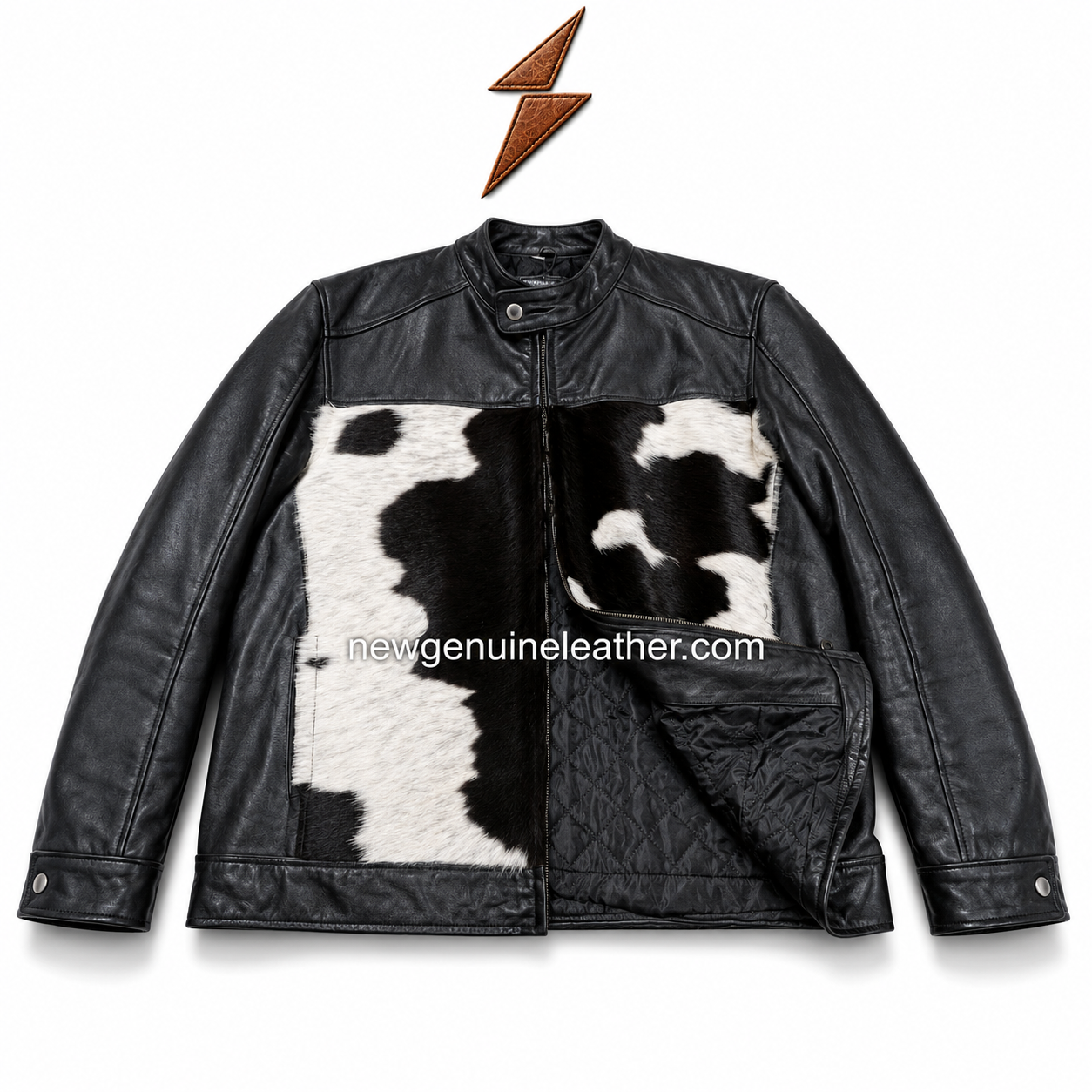
The New Genuine Leather jacket collection includes classic leather jackets, bomber jackets, flight jackets, vintage styles, vests, motorbike garments, winter jackets, and seasonal designs.
For wholesale production, important details include lining quality, zipper strength, seam reinforcement, pocket construction, panel symmetry, and consistent leather color.
New Genuine Leather can also customize cuts, labels, trims, hardware, linings, and finishing methods for different retail markets.
A retailer targeting motorcycle customers, for example, will need a different construction standard from a fashion brand creating lightweight casual jackets.
Authentic Lederhosen
Lederhosen require specialist attention because embroidery, suspenders, buttons, pocket flaps, leather tone, and traditional styling all influence authenticity.
The lederhosen collection includes men’s and women’s products, deerskin styles, Bundhosen, lederhosen with suspenders, Trachten shirts, socks, shoes, belts, and other Bavarian accessories.
Custom embroidery and expanded sizing allow retailers to develop coordinated Oktoberfest, Bavarian, or Trachten collections for their particular markets.
Working and Sports Gloves
Gloves must balance protection with movement, grip, flexibility, and comfort.
The working-glove range includes safety gloves, welding gloves, assembly gloves, driving gloves, anti-vibration gloves, mechanic gloves, winter gloves, and several sports-related designs.
Palm reinforcement, cuff construction, lining, finger movement, seam placement, grip material, and the intended working environment should all be confirmed before bulk production begins.
3. New Genuine Leather Custom Manufacturing
Many buyers do not want generic products carrying another company’s identity. They need products developed around their own customers, target prices, measurements, designs, and branding.
New Genuine Leather supports custom leather product development, OEM orders, and private-label manufacturing.
Depending on the product, buyers may request changes to:
- Leather type, thickness, and finish
- Product color
- Lining and padding
- Embroidery pattern
- Hardware and closures
- Logo placement
- Woven or printed labels
- Packaging and hangtags
- Sizing and fit
Private labeling helps retailers create a consistent collection instead of purchasing unrelated products from several suppliers. It also provides greater control over how products appear in online stores, physical shops, catalogs, and branded packaging.
A physical sample should always be reviewed before full production. Sampling allows the buyer to examine leather quality, dimensions, stitching, hardware, logo placement, color, fit, and overall presentation.
4. Attention to Manufacturing Details
Leather products reveal manufacturing mistakes quickly.
Uneven stitching, weak attachment points, unfinished edges, mismatched panels, and poor-quality hardware can reduce both durability and visual appeal.
New Genuine Leather describes a production process covering material selection, cutting, stitching, finishing, and final product checking.
Quality depends on consistency throughout production, not only on how the product looks when it reaches the packing table.
A professional inspection checklist should cover:
- Product measurements
- Stitching and seam strength
- Hardware function
- Logo and label placement
- Lining quality
- Embroidery consistency
- Leather surface condition
- Packaging quality
- Comparison with the approved sample
Clear written specifications help the manufacturer and buyer evaluate every order according to the same standards.
5. Products Designed for Real Use
A leather product should look attractive, but it must also perform properly for the intended customer.
A fashion jacket needs comfortable movement, balanced proportions, reliable closures, and a suitable lining.
Lederhosen require reinforced stress points that can withstand walking, sitting, dancing, and repeated seasonal wear.
Working gloves need dependable grip, hand mobility, cuff security, and protection appropriate for the job.
New Genuine Leather manufactures products across fashion, traditional clothing, and professional workwear. This broad range helps buyers select construction details according to function instead of appearance alone.
Practical product development may also reduce avoidable returns. Accurate measurements, clear size charts, appropriate materials, and realistic product descriptions help retail customers make more confident purchasing decisions.
6. Wholesale and Export-Focused Support
Wholesale buyers need consistency across the complete order.
One excellent sample is not enough if the final production later changes in sizing, embroidery density, leather shade, hardware, or finishing.
New Genuine Leather provides a dedicated wholesale inquiry and sample request page for buyers seeking quotations, sampling, customization, and manufacturing discussions.
A complete inquiry should include:
- Product category
- Estimated quantity
- Target market
- Required size range
- Preferred leather
- Branding requirements
- Reference images
- Packaging instructions
- Delivery destination
- Required completion date
Carton markings, labeling, inspection arrangements, packing methods, and shipping documents should also be discussed before production.
For a first order, beginning with a manageable quantity can help both parties confirm expectations. Once sizing, product quality, and customer response have been tested, repeat orders can be planned more efficiently.
7. Responsible Leather Awareness
Leather quality is influenced by how hides are sourced, tanned, finished, handled, and maintained.
Buyers interested in responsible sourcing should ask manufacturers about leather origin, tannery documentation, chemical management, traceability, and relevant testing.
The Leather Working Group publishes leather-manufacturing audit standards and maintains a directory of certified suppliers. Its audits cover areas such as water and energy use, chemical management, waste, environmental controls, and workplace practices.
Leather Naturally also provides educational information about leather manufacturing, durability, care, maintenance, and the practical benefits of long-lasting leather goods.
These independent resources can help wholesale buyers ask more informed questions while assessing suppliers.
New Genuine Leather can build buyer confidence through clear material information, realistic specifications, consistent workmanship, and transparent communication.
The value of leather is not limited to its first-day appearance. A properly manufactured and maintained leather product can develop character while remaining functional and visually distinctive.
How to Order From New Genuine Leather
A successful custom order begins with a clear product brief.
Include product sketches or reference images, estimated quantity, size chart, preferred leather, colors, target price, branding instructions, packaging requirements, and delivery destination.
The next stage is specification confirmation and sample development.
Review the sample carefully and place all corrections in one organized document. After approving the sample, confirm the final quantity, price, production period, payment terms, inspection method, and packing requirements in writing.
Buyers can start through the custom-design page or the wholesale inquiry form.
You can also contact New Genuine Leather through WhatsApp and follow the brand on Instagram for product ideas, new designs, and leather-manufacturing updates.
Who Can Work With New Genuine Leather?
New Genuine Leather serves businesses such as:
- Fashion and leather retailers
- Oktoberfest and Trachten suppliers
- Costume-rental businesses
- Workwear distributors
- Safety-equipment suppliers
- E-commerce stores
- Private-label startups
- Importers and wholesalers
Individual customers can also request customized leatherwear. The best results come from sharing accurate measurements, realistic reference images, and a clear explanation of how the product will be used.
Frequently Asked Questions
Does New Genuine Leather offer private labeling?
Yes. Buyers can discuss custom logos, woven labels, printed labels, embroidery, packaging, sizing, leather selection, and other private-label requirements.
Which products can be customized?
Customization can be requested for leather jackets, lederhosen, gloves, accessories, and other leather goods. Available options depend on the product design, material, quantity, and manufacturing method.
Should wholesale buyers order a sample first?
Yes. A sample enables the buyer to inspect the material, measurements, stitching, hardware, branding, color, and fit before approving bulk production.
Does New Genuine Leather serve international buyers?
The company presents itself as an export-focused leather manufacturer serving wholesale, OEM, private-label, and custom buyers, with worldwide delivery information available through its website.
Final Thoughts
New Genuine Leather brings fashion jackets, traditional Bavarian clothing, working gloves, accessories, and custom leather products together under one manufacturing brand.
Its value for buyers comes from product variety, material options, branding support, customization, and factory-level production.
Retailers and private-label businesses should prepare a detailed product brief, request a sample, approve measurable specifications, and confirm all production requirements before placing a bulk order.
Follow Us
Instagram: https://www.instagram.com/newgenuineleather/
WhatsApp: https://wa.me/+923008758207
