
Leather Jacket Tech Pack: What to Include Before Sampling

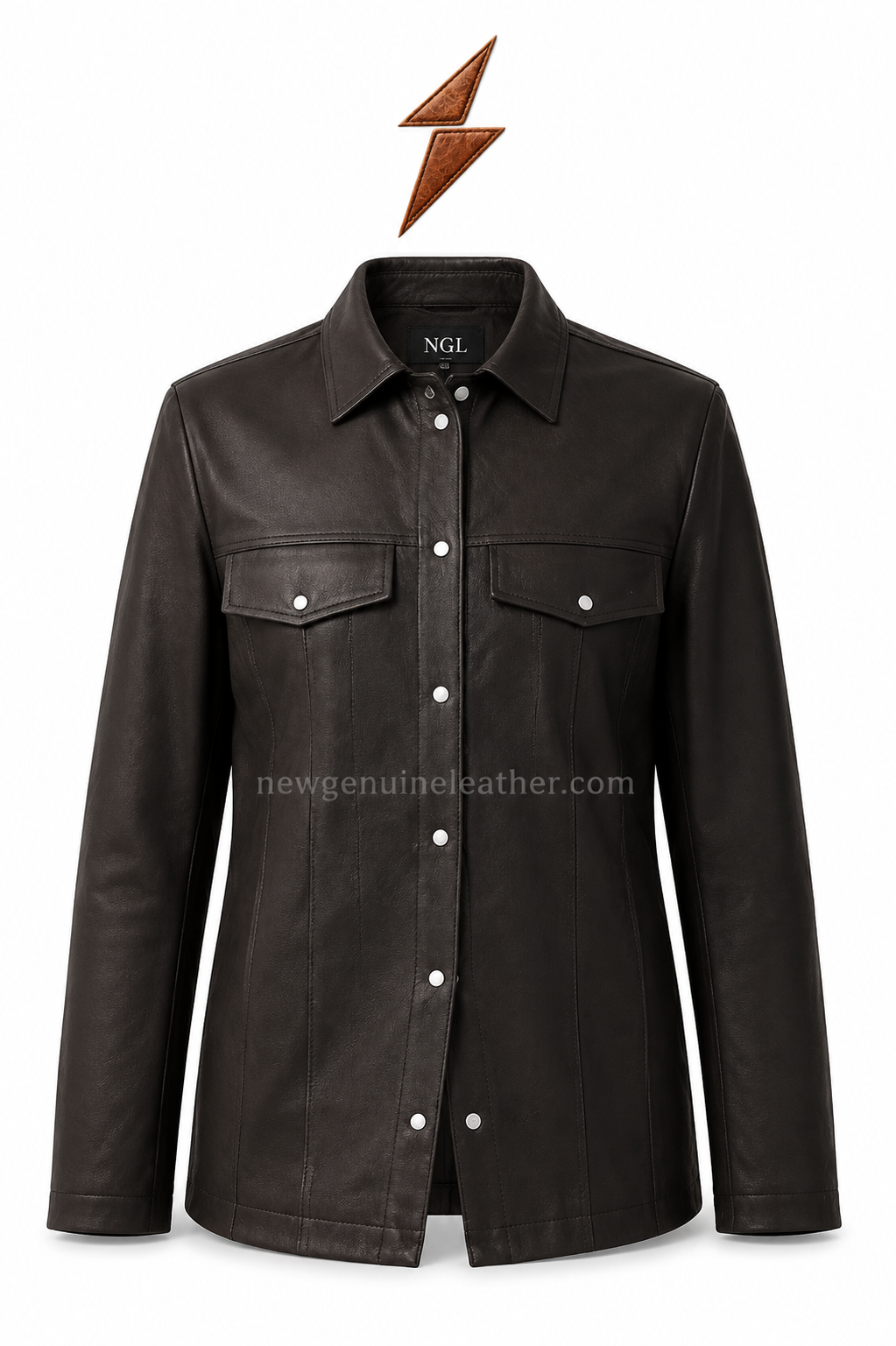
A leather jacket tech pack is the document that turns your design idea into something a factory can make accurately. It tells the manufacturer exactly what to build: the shape, the measurements, the leather, the lining, the hardware, the labels and how everything fits together. A clear tech pack means fewer sample rounds, fewer misunderstandings and a final jacket that matches what you had in mind. This guide explains what to include, section by section.
Why a leather jacket tech pack matters
Leather is a premium material, and mistakes are expensive. Without a tech pack, a factory has to guess details from a photo or a reference jacket. Guesses lead to extra samples, delays and disagreements. With a good tech pack:
- Your first sample is much closer to your vision.
- Quotes are more accurate, because every material is specified.
- Comments on samples are easier to give and act on.
- Reorders stay consistent, because everything is documented.
1. Cover page and style information
Start with the basics:
- Brand name and style name or number.
- Season or collection.
- Version number and date, so everyone knows which version is current.
- Contact person for questions.
- A main front and back image or sketch.
2. Technical sketches
Include flat technical drawings of the front, back and inside of the jacket. Flats are line drawings without shading, showing:
- Panel lines and seams.
- Pocket positions and types.
- Collar and cuff design.
- Zip and snap placements.
- Topstitching lines and any quilting.
Add close-up callouts for detailed areas, such as a belted waist, epaulettes or a zipped cuff.
3. Measurement specification
The measurement chart, often called a spec sheet, is the heart of the tech pack. For your base size, list measurements such as:
- Chest width (measured 2.5 cm below the armhole).
- Waist and hem width.
- Body length from high point of shoulder.
- Shoulder width.
- Sleeve length and cuff opening.
- Armhole depth.
- Collar height and length.
Show how each point is measured with a diagram, and include tolerances, for example plus or minus 1 cm. Then add grading: how measurements change between sizes. If you are not sure about grading, your manufacturer can propose a grade based on your base size.
4. Leather specification
Be as specific as you can:
- Animal type: cowhide, lambskin, goatskin, sheepskin or buffalo.
- Thickness: for example 0.8–1.0 mm for a fashion jacket or thicker for a motorcycle jacket.
- Finish: aniline, semi-aniline, waxed, distressed, suede or nubuck.
- Colour: with a physical swatch or a clear reference.
- Feel: soft, firm, buttery or structured.
If you are unsure which leather suits your design, our article on the leather used in jackets compares the main options.
If responsible sourcing matters to your customers, the Leather Working Group is a widely recognised organisation that audits leather manufacturers and tanneries on environmental performance. You can ask suppliers about the origin of the leather used in your products.
5. Lining and interlining
- Lining fabric: polyester, viscose, cotton, quilted, fleece or shearling.
- Lining colour or print, including custom printed linings with your logo.
- Padding or insulation, if any, and its weight.
- Interlining or fusing on collars, plackets and pockets.
- Inside pockets: number, size and closure.
6. Hardware and trims
- Zips: type (metal, plastic), size, colour, finish and pull design.
- Snaps and buttons: size, finish and any engraving.
- Buckles and D-rings: size and finish.
- Thread: colour and type for topstitching.
- Elastic, rib knit or shearling trims on collar, cuffs and hem.
List the position of every trim, linked to your sketches.
7. Construction details
Explain how the jacket should be put together where it matters:
- Seam types and stitch density.
- Edge finishes: folded, raw or bound.
- Topstitching width and number of rows.
- Any quilting pattern and spacing.
- Reinforcement points, such as pocket corners.
8. Labels and branding
- Main label: material, size and exact position.
- Size label and care label content.
- Country of origin label.
- Logo embossing, engraving or patches, with artwork files.
- Hang tags and any extra inserts.
Our OEM and private label leather service covers branding options for your own label.
9. Packaging
State how each jacket should be packed: folded or on a hanger, in a polybag or garment bag, with tissue or a box, and how cartons should be marked.
10. Bill of materials
A bill of materials lists every component in one table: leather, lining, zips, snaps, thread, labels and packaging, each with a description, colour, quantity per jacket and placement. It makes quoting and production planning much easier.
Tips for a better tech pack
- Use simple, clear language and consistent names for every part.
- Add reference photos for anything that is hard to draw.
- Keep one master file and update the version number with every change.
- Do not leave blanks. If you do not mind, write “manufacturer’s standard”.
- Send physical swatches for colour-critical items when possible.
From tech pack to sample
Once the factory has your tech pack, they can quote, source materials and make the first sample. Leather samples at New Genuine Leather typically take 7–14 days. Compare the sample against every section of your tech pack, mark changes on the same document and send it back with photos. If you need help building the design itself, our custom design leather goods team can help turn ideas into specifications.
Frequently asked questions
Do I need a tech pack to order leather jackets?
For stock designs, no. For custom designs, a tech pack is strongly recommended because it reduces mistakes and sample rounds.
Can I send a photo instead of a tech pack?
A photo helps, but it cannot show measurements, materials or construction. Use it alongside written specifications.
What is the most important part of a tech pack?
The measurement specification and the leather specification, because they decide fit and feel.
How long does a leather sample take?
Typically 7–14 days at New Genuine Leather.
Get a quote for your leather jackets
New Genuine Leather has made genuine leather garments, gloves and accessories since 2019 at our factory on SIE, Defence Road, Umer Town, Sialkot 51310, Pakistan. We work only with genuine leather, hold ISO 9001, BSCI and Sedex credentials, and supply brands and retailers across the USA, Europe and Australia. Leather samples typically take 7–14 days.
Tell us about your designs, materials and quantities, and our team will come back with options and pricing. Send a wholesale inquiry to New Genuine Leather.
