Blog
Understanding Leather Grades.

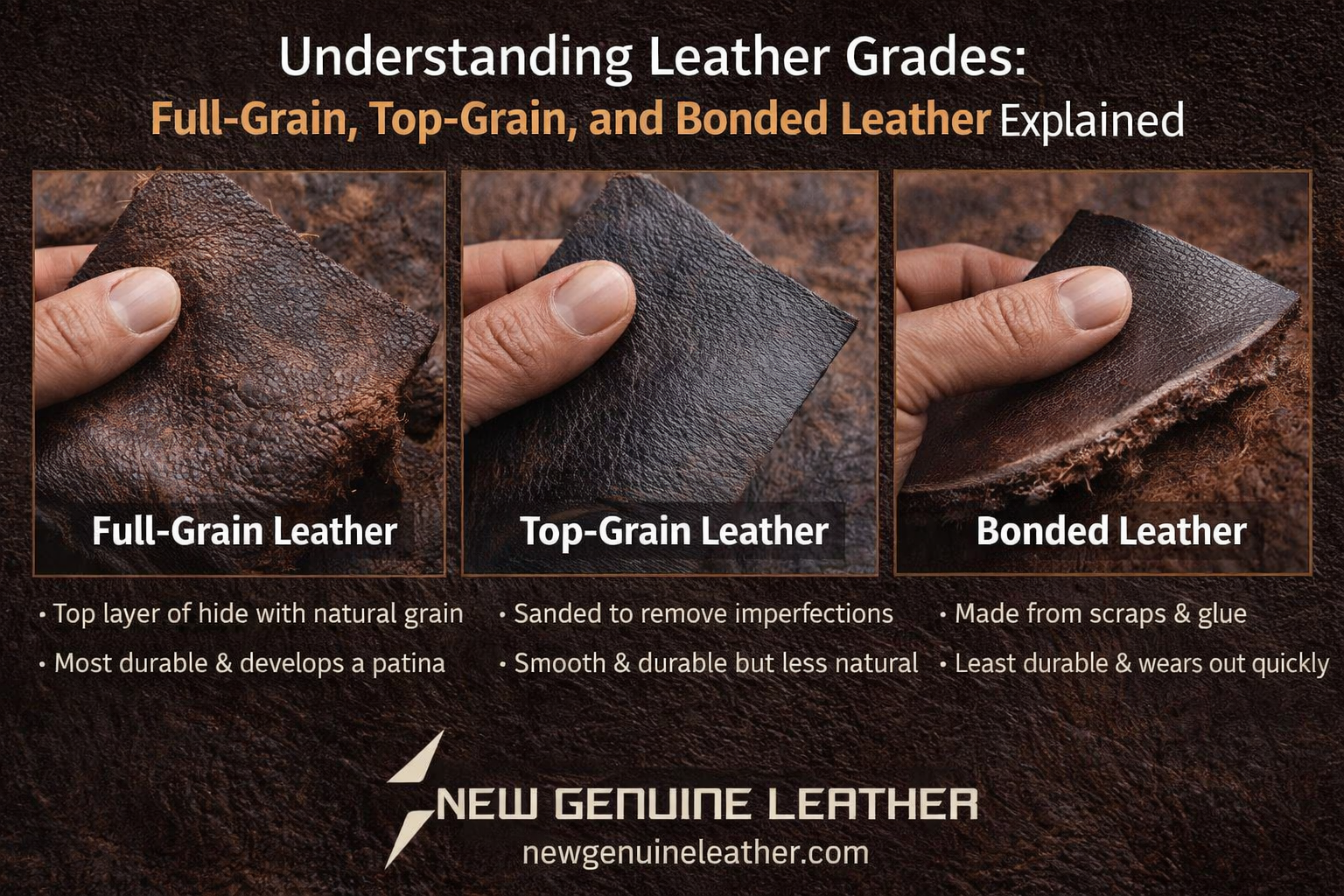
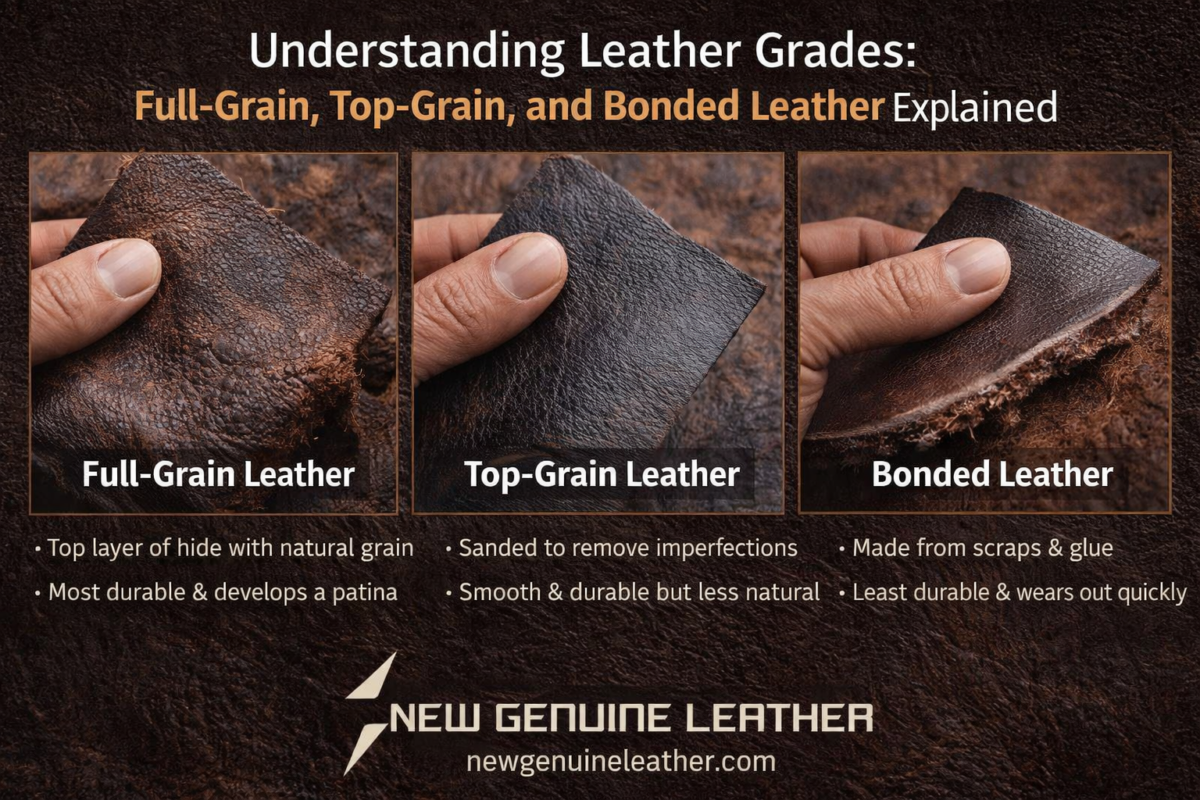
Understanding Leather Grades: Full-Grain, Top-Grain, and Bonded Leather Explained
When shopping for leather products, you’ve probably encountered terms like “full-grain,” “top-grain,” or “genuine leather” and wondered what they actually mean. Not all leather is created equal, and understanding these distinctions can help you make informed decisions about quality, durability, and value.
In this comprehensive guide, we’ll break down the three main leather grades and explain what makes each one unique.
Understanding Leather Grades: Full-Grain vs Top-Grain vs Bonded Leather
What Determines Leather Grade?
Leather grading is based on which layer of the animal hide is used and how much processing it undergoes. The hide consists of multiple layers, and different grades utilize different parts of this structure. The top layer, closest to the hair, contains the strongest fibers and most natural characteristics.
Full-Grain Leather: The Premium Choice
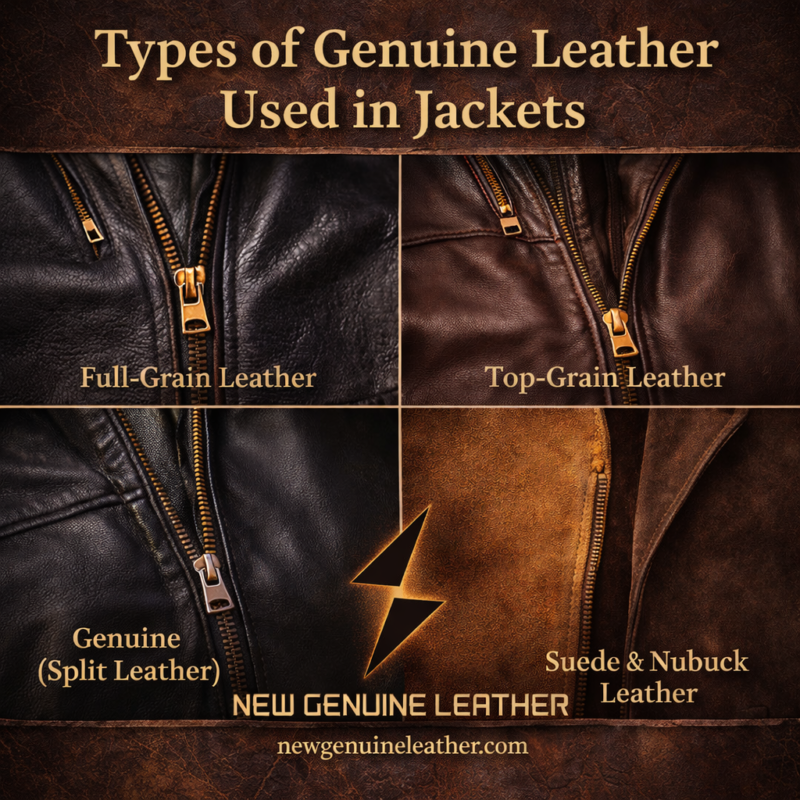
Full-grain leather is the highest quality leather available. It’s made from the top layer of the hide with the natural grain intact, meaning nothing has been sanded away or altered.
Characteristics of Full-Grain Leather:
Natural Beauty: Full-grain leather retains all the natural markings, pores, and imperfections of the hide. These unique characteristics give each piece its own personality and authenticity.
Exceptional Durability: Because it includes the strongest part of the hide with dense fibers, full-grain leather is incredibly durable and resistant to wear and tear. With proper care, full-grain leather products can last decades.
Beautiful Patina Development: One of the most prized features of full-grain leather is how it ages. Over time, it develops a rich patina—a natural sheen and color variation that enhances its character and beauty.
Breathability: The intact grain structure allows full-grain leather to breathe better than other types, making it more comfortable for items like shoes, belts, and bags.
Premium Price Point: Due to its superior quality and the careful selection process required, full-grain leather commands higher prices.
Best Uses:
Full-grain leather is ideal for investment pieces like quality briefcases, high-end furniture, luxury boots, and heirloom-quality accessories that you want to last a lifetime.
Top-Grain Leather: The Balanced Option
Top-grain leather is the second-highest quality grade. It’s created by sanding away the top layer of the hide to remove imperfections, then applying a finish or stamped pattern.
Characteristics of Top-Grain Leather:
Smooth and Uniform Appearance: The sanding process creates a more consistent surface, removing natural marks and blemishes. This results in a cleaner, more uniform look that many consumers prefer.
Good Durability: While not as strong as full-grain, top-grain leather is still quite durable and will serve you well for many years.
More Affordable: The processing makes it possible to use hides with more imperfections, bringing the cost down compared to full-grain leather.
Less Natural Character: The sanding process removes some of the hide’s natural strength and character. It won’t develop the same rich patina as full-grain leather.
Stain Resistant Finishes: Many top-grain leather products come with protective finishes that make them more resistant to stains and moisture.
Best Uses:
Top-grain leather works well for everyday items like wallets, handbags, shoes, and furniture where you want quality and durability without the premium price tag of full-grain leather.
Bonded Leather: The Budget-Friendly Alternative
Bonded leather, sometimes called “reconstituted leather,” is made from leather scraps and fibers bonded together with adhesive, then applied to a backing material.
Characteristics of Bonded Leather:
Made from Leftovers: Bonded leather uses leather dust, shavings, and scraps leftover from producing higher-grade leathers, combined with polyurethane or latex adhesives.
Least Durable: This type of leather is the least durable option. It’s prone to peeling, cracking, and wearing out relatively quickly, often within 2-5 years depending on use.
Uniform Appearance: Like top-grain, bonded leather has a consistent look since it’s manufactured rather than natural.
Budget-Friendly: Bonded leather is significantly cheaper than genuine leather grades, making it accessible for budget-conscious shoppers.
Limited Breathability: The synthetic components reduce breathability compared to natural leather grades.
No Patina Development: Bonded leather will not age gracefully. Instead of developing character, it typically deteriorates over time.
Best Uses:
Bonded leather is suitable for items that won’t see heavy use or where budget is the primary concern, such as decorative items, occasional-use journals, or budget furniture.
How to Identify Leather Quality
When shopping for leather products, here are some tips to determine quality:
- Check the Label: Reputable sellers will clearly state whether the product is full-grain, top-grain, or bonded leather.
- Examine the Surface: Full-grain leather shows natural variations and imperfections. If it looks too perfect and uniform, it’s likely top-grain or bonded.
- Feel the Texture: Full-grain leather feels supple and substantial. Bonded leather often feels more like plastic or fabric.
- Look at the Edges: Cut edges of full-grain and top-grain leather show fibrous texture, while bonded leather edges reveal a fabric-like backing.
- Smell Test: Genuine leather has a distinctive natural smell. Bonded leather often has a plastic or chemical odor.
- Price Point: If the price seems too good to be true for a leather product, it probably is. Quality leather comes at a cost.
Making the Right Choice for Your Needs
The “best” leather grade depends on your specific needs, budget, and how you plan to use the item:
Choose Full-Grain Leather When:
- You want an investment piece that will last decades
- You appreciate natural character and patina development
- You’re willing to invest in superior quality
- You want maximum durability for frequently used items
Choose Top-Grain Leather When:
- You want quality leather at a more accessible price point
- You prefer a uniform, polished appearance
- You need good durability for everyday items
- You want some stain resistance features
Choose Bonded Leather When:
- Budget is your primary concern
- The item won’t see heavy or frequent use
- You prefer the look of leather without the investment
- You plan to replace the item within a few years anyway
Caring for Your Leather Investment
Regardless of which grade you choose, proper care will maximize the lifespan of your leather goods:
- Clean regularly with appropriate leather cleaner
- Condition leather every 3-6 months to prevent drying
- Keep leather away from direct heat and sunlight
- Store in cool, dry places with good air circulation
- Address spills and stains immediately
The Bottom Line
Understanding leather grades empowers you to make informed purchasing decisions. While full-grain leather offers unmatched quality and longevity, top-grain leather provides excellent value for everyday use, and even bonded leather has its place for budget-conscious shoppers.
At New Genuine Leather, we believe in transparency about our products. When you shop with us, you’ll always know exactly what grade of leather you’re purchasing, so you can choose the option that best fits your needs, lifestyle, and budget.
Remember, the best leather product is one that matches your requirements and brings you satisfaction for years to come. Whether you invest in full-grain, opt for top-grain, or choose bonded leather, understanding the differences ensures you get exactly what you’re paying for.
Have questions about leather grades or need help choosing the right leather product? Contact our team at New Genuine Leather, or browse our collection of premium leather goods at newgenuineleather.com.